
On Thursday, the WNBA players’ union announced that 98% of members who voted have authorized a strike if negotiations fail, setting the stage for a potential labor stoppage as the Jan. 9 deadline looms.
Strike Authorization
The vote, taken by a majority of the union’s membership, showed that 98% of those who participated approved the authorization of a strike. An authorization vote does not mean that players are on strike, but it signals that a supermajority is willing to withhold labor as leverage in negotiations.
Union Statement
“Let it be known. The players remain united, resolute, and prepared to fight for their value and their future,” the WNBA players’ association said Thursday.
Contract Extension
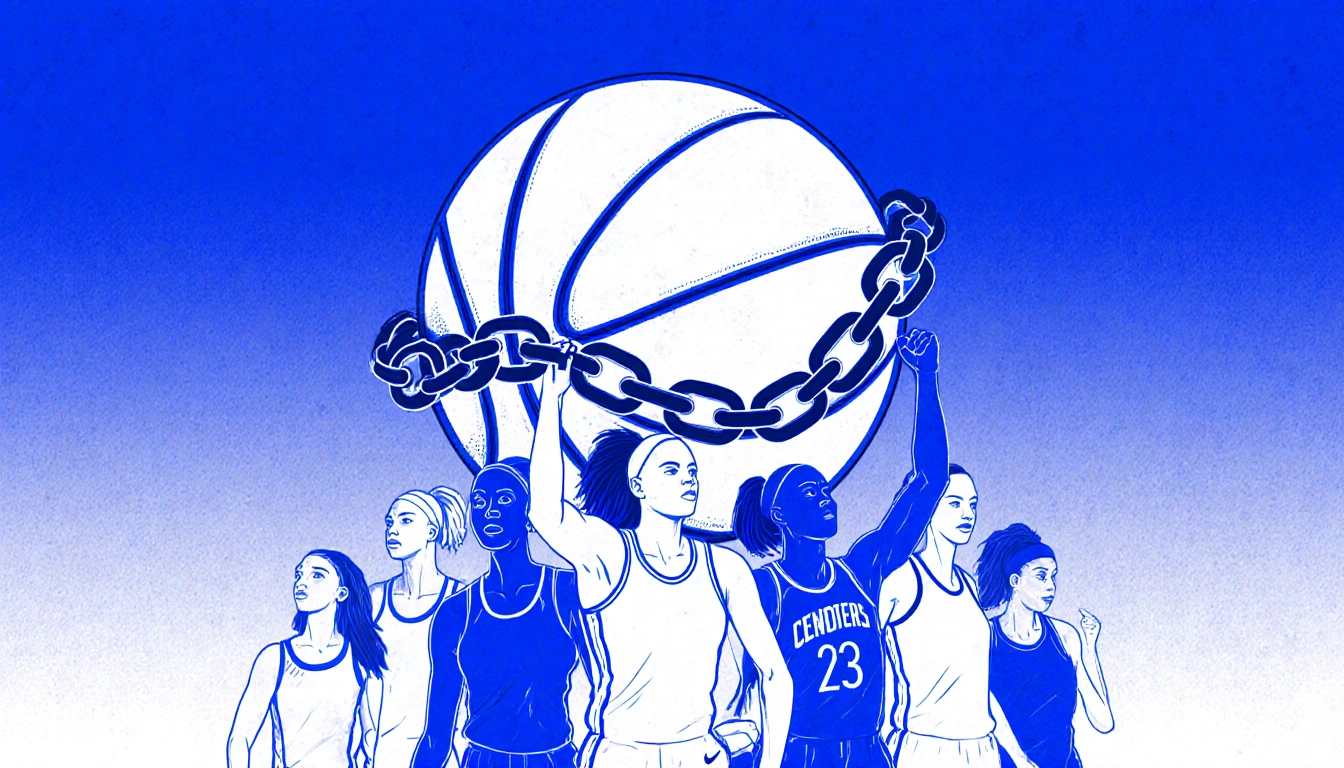
The union has extended the current contract through Jan. 9 as talks continue, keeping the league and players bound until the new deadline.
Negotiation Context
The stalled talks stem from the players’ push for a revenue‑tied model that would grow salaries alongside league income. The current collective bargaining agreement was set to expire on Oct. 31, but negotiations have dragged on.
Revenue‑Sharing Proposal
A proposed revenue share system, modeled after the NBA, would allow player salaries to increase with the league. Women’s players currently receive about 9.3% of league‑generated income, while men’s players get 49%‑51% of the NBA’s basketball‑related income, according to MarketWatch.
League Perspective
NBA Commissioner Adam Silver told NBC News’ “TODAY” show that he believes players should receive more money, but he did not think a “share” was the right descriptor. “I think you should look at it in absolute numbers in terms of what they’re making, and they are going to bet a big increase in this cycle of collective bargaining, and they deserve it,” Silver said in an Oct. 21 interview.
WNBA Proposal Details
The Associated Press reported that the WNBA offered players a proposal that would include revenue sharing and set a maximum salary of $1.1 million available to more than one player per team, growing each year.
Infrastructure Demands
Beyond salaries, the union seeks improvements to playing and practice facilities, enhanced player protection, codification of the charter flights program starting in 2024, and expanded roster sizes.
Benefits Push
Minnesota Lynx forward Napheesa Collier, on the union’s executive council, told the AP that the union is also fighting for retirement and child‑care benefits. “Obviously, there’s frustration in that both sides are trying to get what they want, but we still have that fire within us that we’re willing to do what it takes,” Collier said. “We’re going to do whatever it takes to get what we think we deserve.”
2026 Season Implications
Tensions have flared all year over the negotiations and fears that 2026 could begin with a player lockout. The league’s expansion draft, scheduled for this month, may be delayed if talks stall, potentially affecting the regular 2026 draft expected in April.
Player Voices
Indiana Fever guard Caitlin Clark called the talks on the collective bargaining agreement the “biggest moment in the history” of the WNBA. “We’re going to fight for everything we deserve, but at the same time we need to play basketball. That’s what our fans crave,” Clark said during a Team USA basketball camp last week. “You want the product on the floor. In the end of the day that’s how you’re marketable, that’s what the fans want to show up for.”
Key Takeaways
- 98% of voting members authorized a strike if negotiations fail.
- Players seek a revenue‑tied model and improved infrastructure.
- The league’s deadline is Jan. 9, with potential impacts on the 2026 season.
The union’s decision underscores the high stakes of the bargaining process and the readiness of players to protect their interests while maintaining the sport’s competitive integrity.