
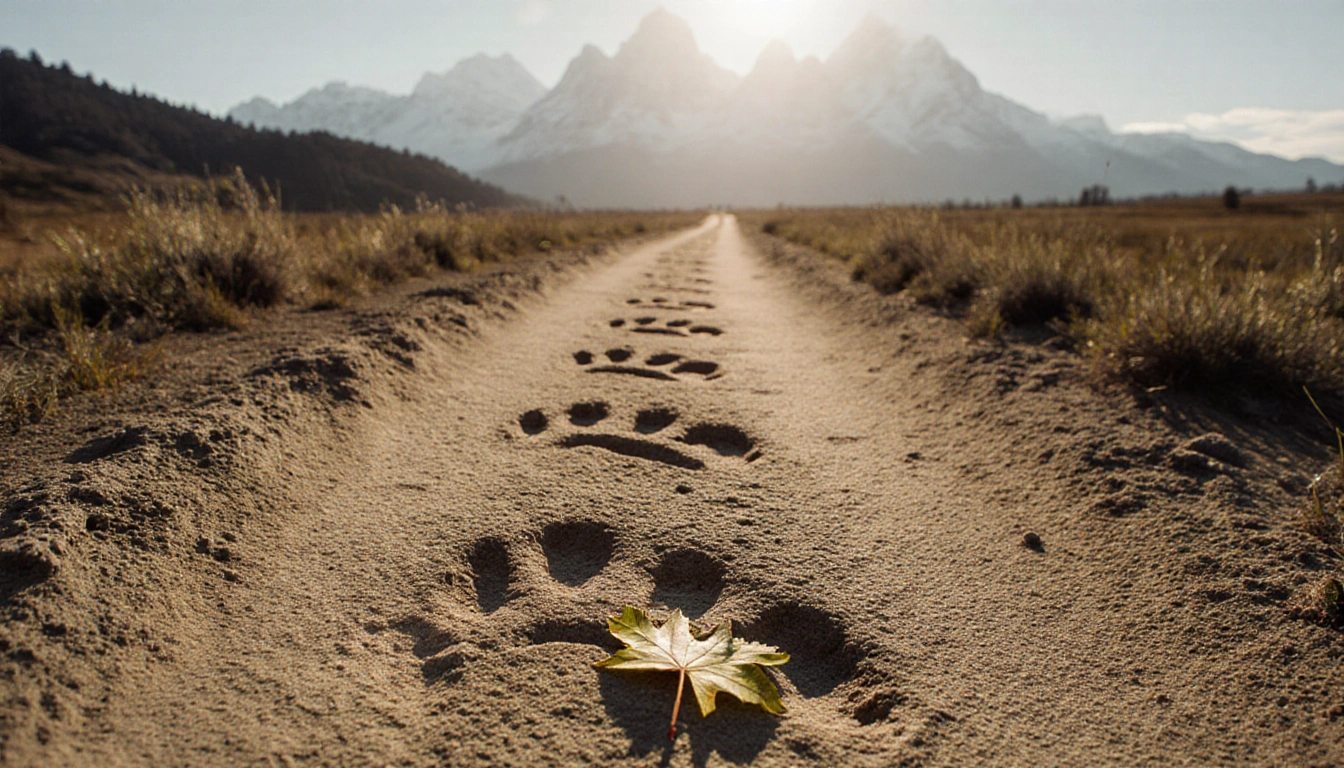

A wildlife photographer has uncovered one of the world’s oldest and largest dinosaur trackways, a find that could reshape our understanding of Triassic life in northern Italy.
Discovery of the Footprints
The tracks, estimated to be about 210 million years old, were discovered high in the Stelvio National Park, near the 2026 Milan Cortina Winter Olympic venue of Bormio, officials announced Tuesday.
The site sits some 2,400 to 2,800 meters above sea level on a north‑facing wall that is mostly in the shade, making the prints difficult to spot without a powerful lens.
Scientists say the footprints number as many as 20,000 and stretch over roughly five kilometers (three miles), an unprecedented density for a single trackway.
The location is close to the Swiss border, an area that was once a prehistoric coastal zone but had never previously yielded dinosaur tracks, experts noted.
Elio Della Ferrera, a wildlife photographer, was originally out photographing deer and vultures in September when he noticed something unusual.
His camera had been aimed at a vertical wall about 600 meters above the nearest road, and the prints were visible only with a very strong lens.
The photographer climbed the steep rock face with some difficulty to get a closer look, a task that took him several hours.
He described the surprise as not only finding footprints but discovering “such a huge quantity,” adding that the prints were “tens of thousands” and “more or less well‑preserved.”
Della Ferrera said he received the first call from Cristiano Dal Sasso, a paleontologist at Milan’s Natural History Museum, after making the discovery.
Dal Sasso said, “This time reality really surpasses fantasy,” when he first heard about the find.
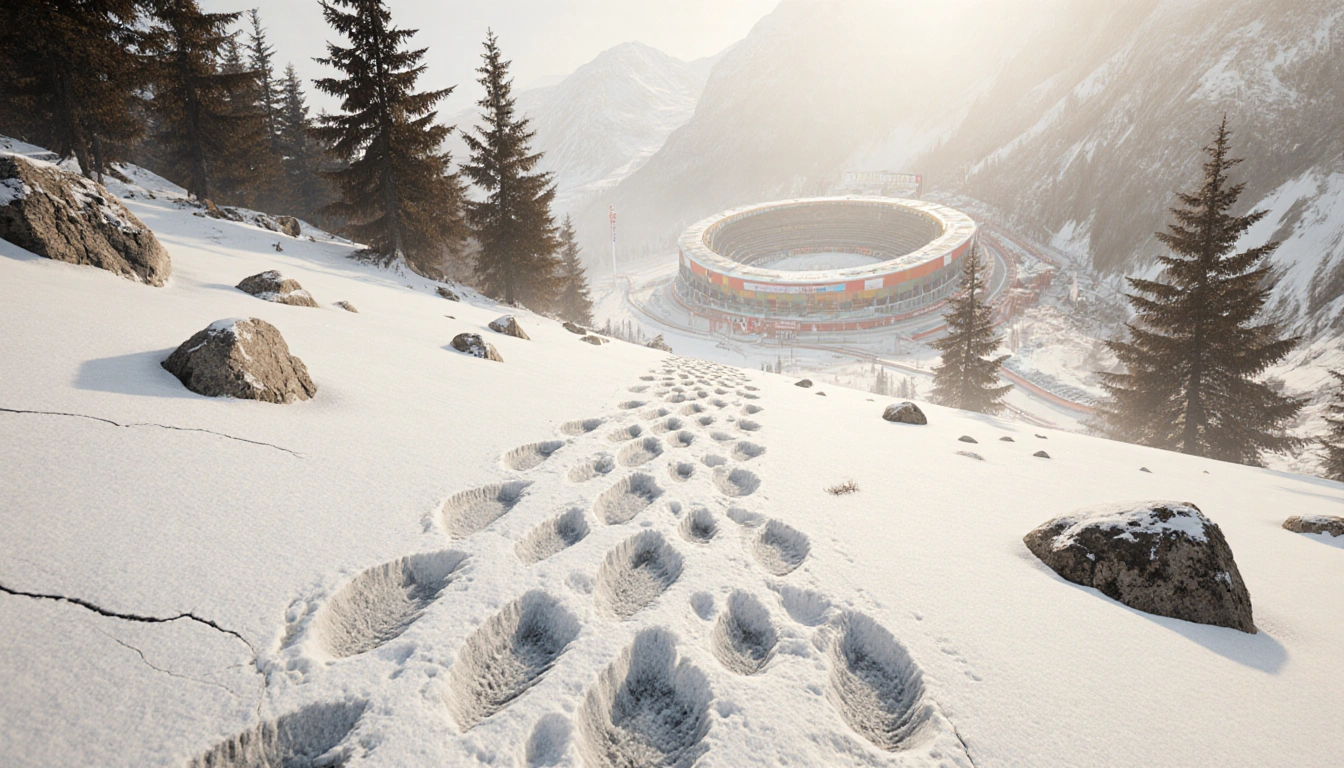
According to Dal Sasso, the tracks were made by long‑necked bipedal herbivores that were up to 10 meters (33 feet) long and weighed up to four tons, similar to a Plateosaurus.
Some of the footprints were 40 centimeters wide, and the prints showed visible claws, indicating the animals’ foot structure.
Dal Sasso noted that the dinosaurs appeared to travel in packs and sometimes stopped in circular formations, possibly as a protective measure.
He described the tracks as showing “very obvious traces of individuals that have walked at a slow, calm, quiet rhythmic pace, without running.”
The discovery was announced by officials in the park, who highlighted the sheer number of prints and the significance of the site’s proximity to the upcoming Winter Olympics.
The entrance of the park, where the prints were discovered, is located just two kilometers (a mile) from the mountain town of Bormio, where men’s alpine skiing will be held during the Feb. 6‑22 Games.
Lombardy regional governor Attilio Fontana called the find a “gift for the Olympics,” even though the site is too remote to access in winter.
Fontana said that plans for eventual public access have not yet been made, but the discovery could add a unique attraction for visitors.
The 2026 Winter Olympics will be hosted mainly by Milan and the ski resort town of Cortina d’Ampezzo in Italy, placing the trackway within the broader Olympic context.
The find adds a layer of natural heritage to the region, offering a tangible link to the Triassic Period that precedes the modern Olympic venues.
The number of tracks, estimated at up to 20,000, indicates a massive herd or multiple herds moving through the area, a pattern rarely documented in such detail.
The fact that the tracks were preserved in a north‑facing, shaded wall suggests that environmental conditions helped protect them from erosion.
The discovery also provides evidence that the area, once a coastal zone, supports large herbivorous dinosaurs, challenging previous assumptions about the region’s paleoenvironment.
Scientists plan to study the tracks further to understand the behavior and ecology of these Triassic dinosaurs.
The site’s proximity to the 2026 Olympic venue may make it a future point of interest for both scientists and tourists, although accessibility remains limited.
The discovery was made possible by a combination of modern photography equipment and the photographer’s willingness to explore a remote cliff face.
Dal Sasso emphasized that the scale of the find surpasses expectations, noting that such a large quantity of tracks had never been seen in this area before.
The prints’ width and claw marks provide valuable data for paleontologists studying the locomotion of early dinosaurs.
The group behavior inferred from the circular formations offers insights into how these animals may have protected themselves in prehistoric times.
Overall, the discovery of these ancient footprints adds a remarkable chapter to the natural history of the Stelvio National Park and the broader Italian landscape.
Key Takeaways
- Over 20,000 dinosaur footprints spanning ~5 km found in Stelvio National Park.
- Tracks belong to large, long‑necked bipedal herbivores similar to Plateosaurus.
- Evidence of pack behavior and circular formations suggests protective group dynamics.
The discovery of a vast dinosaur trackway in northern Italy underscores the region’s ancient past and its potential to enrich the 2026 Winter Olympics narrative.