
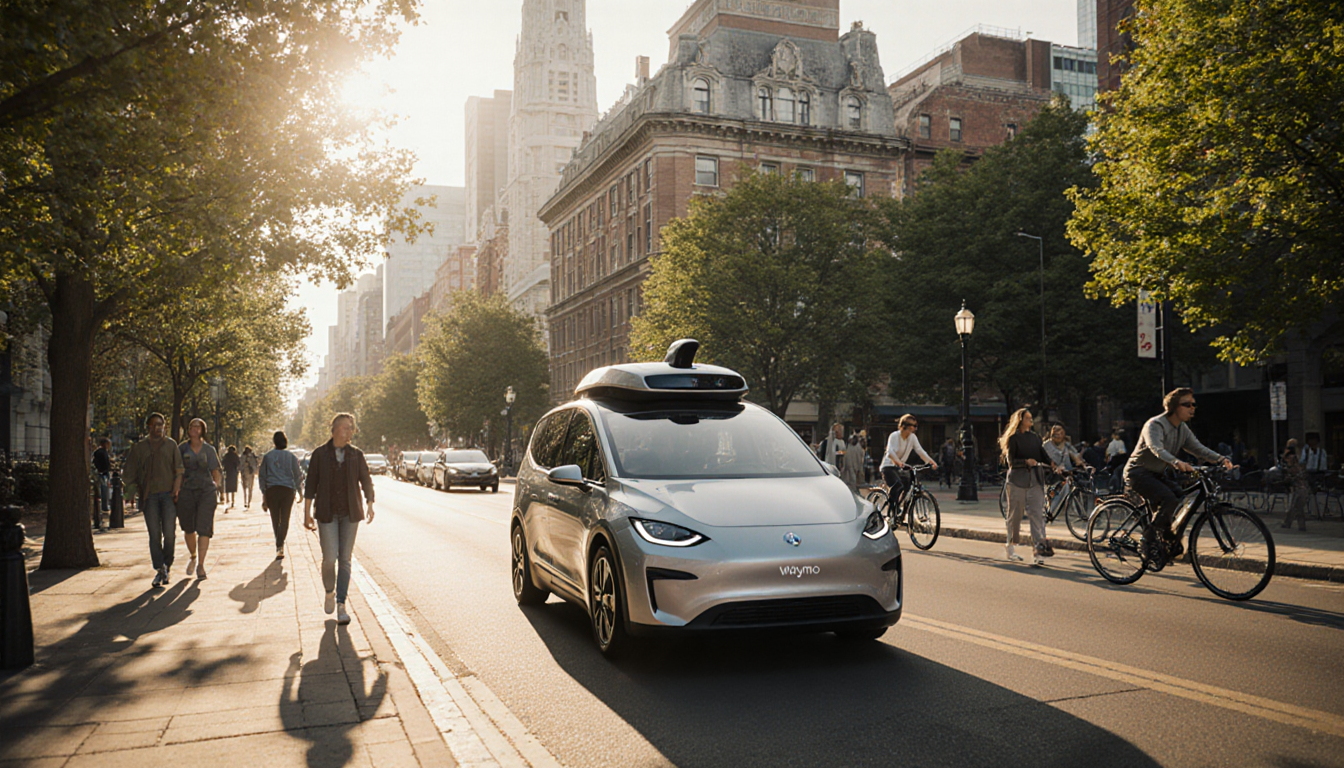

Waymo’s Expansion into Philadelphia
Waymo has officially announced that it is establishing a permanent presence in Philadelphia, the City of Brotherly Love. The announcement signals a major expansion of the company’s operations into the U.S. East Coast. The company has chosen Philadelphia as a key testing ground for its autonomous technology. This move follows earlier testing phases that began earlier this year. The company’s goal is to integrate its autonomous vehicles into the city’s transportation network. The announcement was made publicly by Waymo’s leadership. The company plans to build on its existing research in the region. Philadelphia’s diverse traffic environment offers a valuable testing landscape.
Initial Human‑Driven Testing
Earlier this year, Waymo deployed a small fleet of vehicles in Philadelphia. Human safety drivers remained behind the wheel during these initial tests. The drivers were responsible for monitoring vehicle performance and ensuring safety. They collected data on traffic patterns and road conditions. The data gathered helped the company understand Philadelphia’s unique infrastructure. The fleet was used to evaluate the baseline performance of Waymo Driver. The initial phase also tested the vehicles’ ability to respond to unexpected events. The results informed subsequent autonomous testing strategies.
Road Trip Testing and Mapping
Following the initial deployment, Waymo conducted “road trip” testing from the summer through the fall. The testing involved traveling across multiple routes within Philadelphia. During these drives, the company collected extensive mapping data. The data included detailed information about streets, intersections, and traffic signals. It also helped evaluate how Waymo Driver performs in new environments. The evaluation focused on the vehicle’s ability to navigate traffic patterns. The testing assessed how the system interacted with local infrastructure. The results were used to refine the autonomous software.
Shift to Autonomous Testing
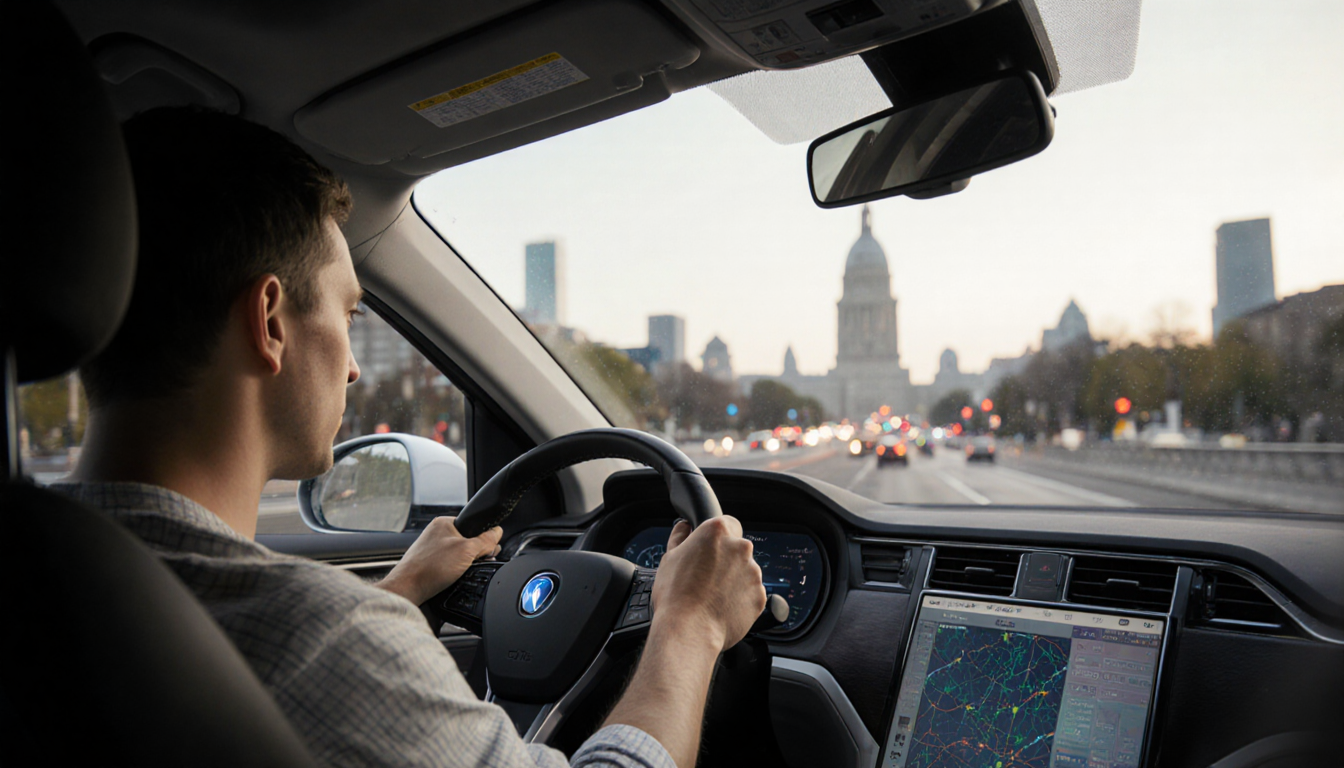
With mapping and performance data in hand, Waymo has now shifted to autonomous testing. In this phase, specialists remain behind the wheel to monitor the vehicle’s behavior. The specialists are trained to intervene if necessary. They provide real‑time feedback to the development team. This approach allows Waymo to validate the Waymo Driver’s capabilities in a controlled setting. The company plans to continue this validation before moving to fully autonomous operations. The ultimate goal is to enable the public to ride in a driverless vehicle. The transition to fully autonomous testing is a key milestone in Waymo’s deployment strategy.
Validation and Public Launch Plans
Waymo will continue to validate the Waymo Driver’s performance in Philadelphia. The company aims to refine its autonomous system through iterative testing. Once validated, Waymo plans to move to fully autonomous operations. The company intends to allow the public to take rides in a driverless vehicle. This future service will be offered after extensive safety verification. The public launch is part of Waymo’s broader strategy to expand autonomous mobility. The company will monitor performance metrics closely during the transition. The validation process will involve both technical and regulatory assessments.
Community Engagement
Waymo will also continue to meet with Philadelphia communities. These meetings aim to learn more about how the company can support the city’s transportation goals. The company has expressed a willingness to collaborate with local stakeholders. By engaging with residents, Waymo seeks to tailor its services to community needs. This outreach is part of the company’s broader effort to integrate autonomous vehicles into urban environments. The meetings will cover topics such as accessibility and safety. They will also discuss potential partnerships with local organizations. The company views community input as essential to its long‑term success in the city.
Partnership with Best Buddies
In a news release, Samantha Civitate, Best Buddies State Director for Pennsylvania, commented on the partnership. She said, “With Waymo’s support, we can grow our programs and create more opportunities for friendship, jobs, and leadership development—helping build a more inclusive community for people with intellectual and developmental disabilities.” Civitate added, “Accessible transportation remains a vital piece of fostering independence and inclusion.” Her statement highlights the social impact of autonomous vehicle technology. It underscores the potential benefits for people with disabilities. The quote reflects the company’s commitment to inclusive mobility solutions. Best Buddies is a nonprofit that focuses on improving the lives of individuals with intellectual and developmental disabilities. Civitate’s remarks reinforce the partnership’s community‑focused goals.
NBC10 Report
NBC10’s Brian Sheehan reported that self‑driving cars are one step closer to taking to the streets of Philadelphia. Sheehan noted that Waymo’s testing in the city began over the summer. He also mentioned the company’s plans to eventually offer full self‑driving service. The report emphasized the progress made in the city’s autonomous testing program. Sheehan’s coverage provides a local perspective on the company’s activities. It highlights the significance of Waymo’s expansion for Philadelphia residents. The report confirms the company’s commitment to advancing autonomous technology. Sheehan’s coverage underscores the importance of local media in tracking such developments.
Recent Incidents (LA & SF)
This new announcement comes just days after passengers in a Waymo robotaxi were driven a few feet away from a police stop in downtown Los Angeles. Officials said the driverless vehicle turned onto the street and passed a truck that police cruisers had pulled up with flashing lights. The suspected driver of the car at the time was lying face down on the street. The incident highlighted challenges of integrating autonomous vehicles into existing traffic. Since Waymo launched services to the public in November 2024, other incidents have occurred. In San Francisco, a vehicle made an illegal turn in front of officers conducting a DUI stop, preventing ticket issuance. These events illustrate the complexities of autonomous vehicle interactions with law enforcement. They underscore the need for clear protocols and regulatory oversight.
Alphabet Ownership and Service Coverage
Alphabet, Google’s parent company, owns Waymo. According to Waymo’s website, the company currently serves riders in Los Angeles. It also operates in the San Francisco Bay Area. Phoenix is another city where Waymo provides services. Atlanta and Austin are also part of the company’s coverage. The company’s expansion into Philadelphia represents a new market for its autonomous rides. Alphabet’s ownership provides significant resources for Waymo’s development. The company’s service areas demonstrate its growing national presence.