

> At a Glance
> – Delcy Rodríguez, 56, has assumed interim leadership of Venezuela after Nicolás Maduro’s capture by U.S. authorities
> – President Trump says she was “sworn in” and is willing to work with the U.S. to “make Venezuela great again”
> – Rodríguez sends mixed signals, calling Maduro the “only president” while also pledging to “collaborate” with Washington
> – Why it matters: Venezuela’s political future hangs in the balance as the U.S. prosecutes Maduro on narco-terrorism charges
Delcy Rodríguez now stands at the center of Venezuela’s political crisis after the dramatic U.S. capture of Nicolás Maduro. Her rise caps decades of loyalty to the socialist regime, yet her next moves could reshape relations with Washington and determine her country’s fate.
Revolutionary Pedigree
Rodríguez was born in Caracas on May 18, 1969, daughter of Marxist guerrilla Jorge Antonio Rodríguez, co-founder of the 1970s militant Socialist League.
Her father died in police custody at age 34 after his arrest for alleged involvement in the 1976 kidnapping of American businessman William F. Niehous. This family history became a driving force behind her political career.
> “The revolution is our revenge for the death of our father and his executioners,” Rodriguez told a Venezuelan politician in 2018, referencing Hugo Chávez’s socialist program.
Her older brother, Jorge Rodríguez, currently serves as president of the National Assembly and previously held the vice presidency under Chávez.
Political Ascent
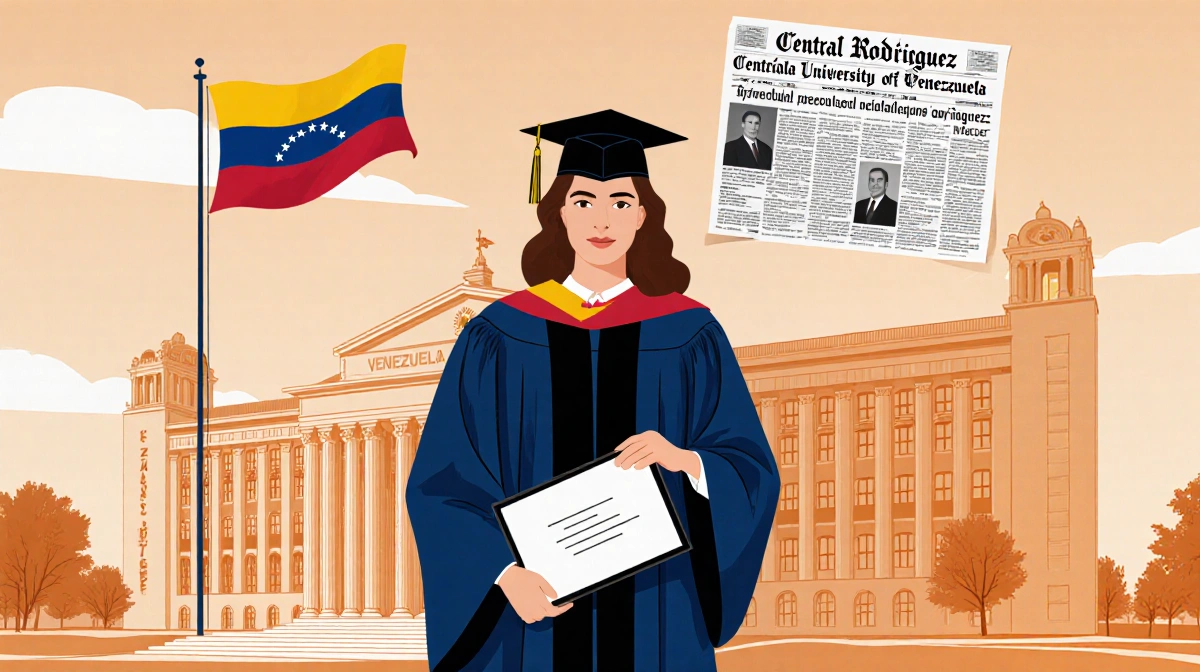
Rodríguez earned her law degree from the Central University of Venezuela in 1993, then pursued advanced studies in labor law in Paris and social sciences in London before joining Chávez’s government in the early 2000s.
She steadily climbed the ranks:
- 2013: Communication and information minister
- 2014-2017: Foreign minister
- Head of the pro-Maduro Constituent Assembly
- June 2018: Appointed vice president, second in line of succession
- Additional roles as finance and oil minister, overseeing Venezuela’s crucial energy sector
Ryan C. Berg of the Center for Strategic and International Studies notes her survival stems from “her ability to exercise power effectively within that regime.”
Mixed Messages to Washington
Following Maduro’s capture, Rodriguez’s rhetoric has shifted dramatically depending on the audience:
In a televised address:
> “What is being done to Venezuela is an atrocity that violates international law,” Rodriguez said, referring to “extremists” in the Trump administration.
On Instagram Sunday:
> “We extend an invitation to the U.S. government to work together on a cooperation agenda, oriented toward shared development, within the framework of international law.”
Trump told The Atlantic: “If she doesn’t do what’s right, she is going to pay a very big price, probably bigger than Maduro.”
Uncertain Path Forward
Rodríguez faces significant internal challenges. Berg notes she “does not enjoy support from some of the main factions” in Venezuela and must still “consolidate support over the armed forces.”
The U.S. sanctioned her during Trump’s first term for allegedly suppressing political dissent, though she faces no criminal charges.
Key Takeaways
- Delcy Rodríguez, 56, emerges as Venezuela’s interim leader after Maduro’s U.S. capture
- She maintains loyalty to Maduro publicly while signaling potential cooperation with Washington
- Her political survival depends on consolidating military support and navigating competing internal factions
- Trump administration threatens serious consequences if she fails to meet U.S. expectations
As Maduro faces federal indictment in New York, Rodríguez’s ability to balance revolutionary credentials with pragmatic diplomacy will determine both Venezuela’s future and her own political survival.