At a Glance
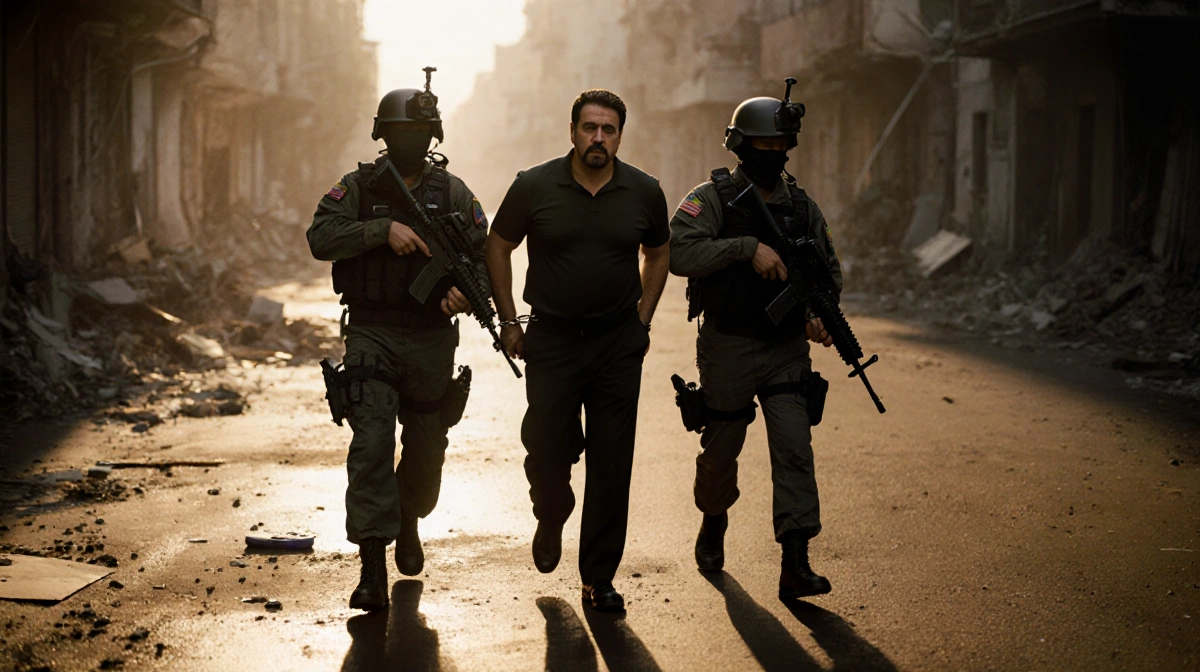
- Maduro captured by U.S. forces; Trump calls operation a success.
- Trump says the operation was “brilliant” and that some U.S. troops were injured but none killed.
- European and other allies condemn the operation and call for restraint.
Why it matters: The event reshapes Venezuela’s political landscape, tests U.S. influence in the Western Hemisphere, and provokes a global diplomatic backlash.
In a dramatic turn of events, U.S. forces captured Venezuelan President Nicolás Maduro, a move that President Donald Trump hailed as a triumph and that has sparked condemnation from Europe, Russia, and China. The operation marks a bold step in Trump’s foreign policy and raises questions about the future of Venezuelan governance and regional stability.
Trump Praises the Operation
President Trump said:
> “It was a brilliant operation, actually.”
President Trump added on Fox & Friends:
> “Some U.S. troops were injured in the strike but none were killed.”
He also said:
> “We can’t take a chance of letting somebody else run it – just take over where (Maduro) left.”
International Reactions
European Commission President António Costa said he had “great concern” about the situation in Venezuela following the U.S. operation.
EU foreign policy chief Kaja Kallas added that “Under all circumstances, the principles of international law and the UN Charter must be respected. We call for restraint.”
France’s Foreign Minister Jean-Noël Barrot stated that the operation “infringes the principle of the non-use of force that underpins international law.”
Russia’s Foreign Ministry condemned the operation as an “act of armed aggression” and said Venezuela must determine its own destiny.
China’s foreign ministry said the operation “violates international law and Venezuela’s sovereignty.”
Senator Ruben Gallego called the war “illegal” and embarrassing, saying there is no reason to be at war with Venezuela.
Domestic and Political Implications
Maduro had proposed stepping down in three years, handing power to Vice President Delcy Rodriguez; the White House rejected the plan.
Maduro said Venezuela was open to negotiating with the U.S. to combat drug trafficking and invest in oil.
President Trump said Maduro was feeling pressure and trying to cut a deal.
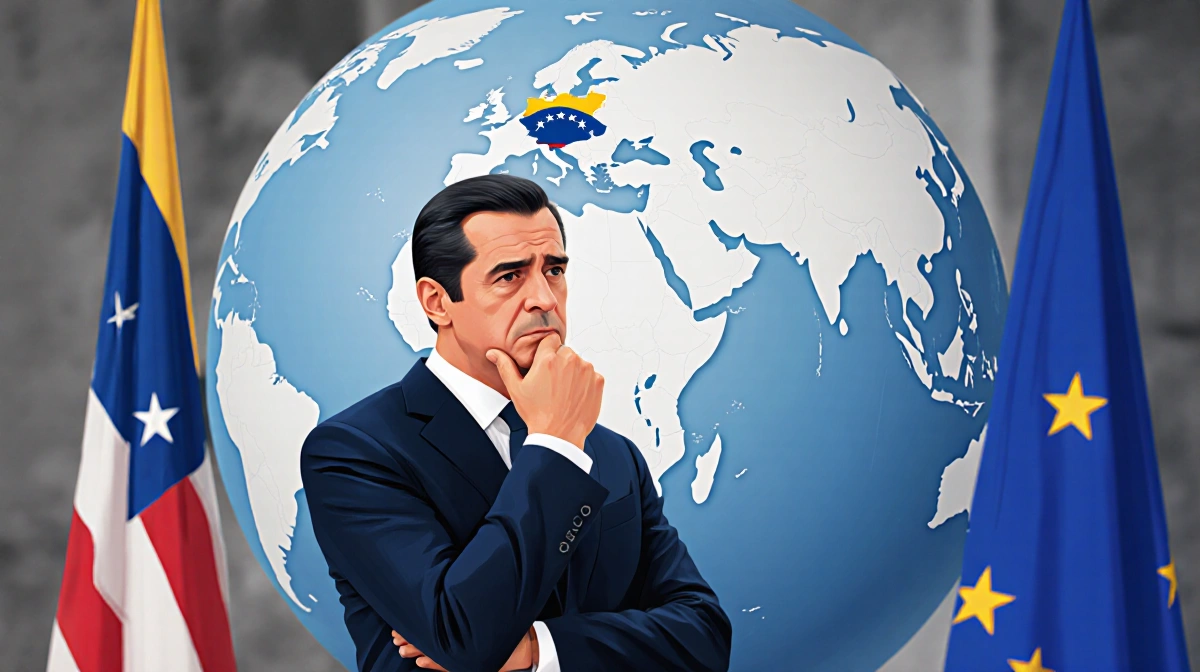
Elliot Abrams said Trump must decide how invested the administration will be in shaping the next government; the opposition names exiled Edmundo González.
President Trump on Fox & Friends said he was not ready to commit to a leader but would be “very involved” in Venezuela.
Future Challenges
Retired Navy Rear Adm Mark Montgomery warned that Trump will not have the luxury of “fights over” and must stay engaged to remove Maduro’s cronies.
The operation raises questions about who will fill the power vacuum and how to maintain stability amid hyperinflation and shortages.
European and other allies emphasize that a lasting political solution must come from within Venezuela, not imposed from outside.
Key Takeaways
- Maduro’s capture marks a decisive U.S. intervention that has drawn sharp international condemnation.
- Trump’s foreign policy continues to rely on military force, sparking debate over legality and effectiveness.
- The future of Venezuela remains uncertain, with questions about leadership, stability, and international influence.
The capture reshapes Venezuela’s future and challenges the U.S. to navigate a complex post-Maduro landscape while facing global scrutiny.