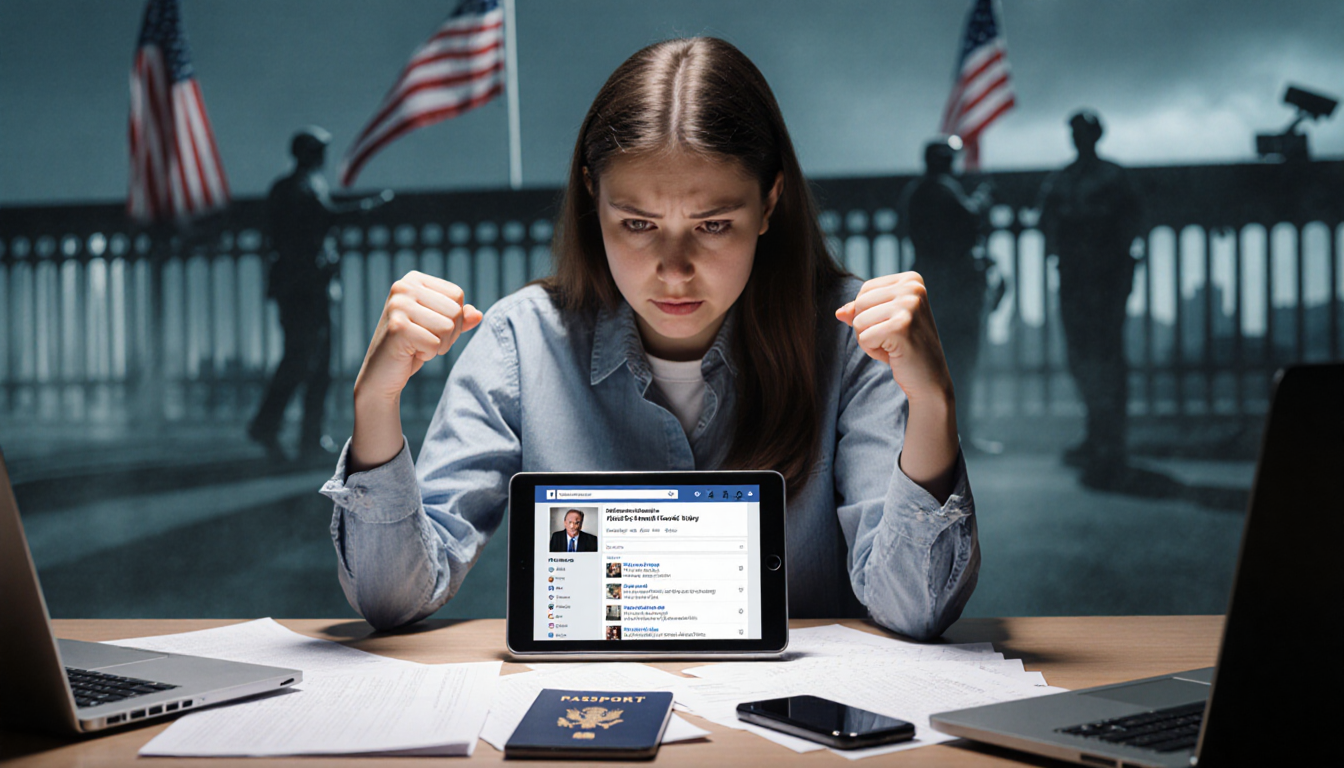

A new Federal Register notice threatens to turn the United States into a digital vetting ground, demanding that every foreign tourist hand over five years of social media data before they can even cross the border.
New Travel Requirement
The Trump administration plans to require all foreign tourists to provide their social media histories from the last five years to enter the country, according to a notice published Tuesday in the Federal Register. The data would be “mandatory” for new entrants to the U.S., regardless of whether they are entering from countries that require visas, the notice from Customs and Border Protection states. Residents of the United Kingdom and Germany are among the countries from which visitors do not require visas to visit the U.S.; this could add an extra hurdle for travelers. British citizens and people of other waived countries currently can complete “Electronic System for Travel Authorizations” in lieu of obtaining visas.
Expanding Data Collection
In addition to social media histories, Customs and Border Protection would add other new data collection fields, including email addresses and telephone numbers used in the last five years, as well as the addresses and names of family members, the notice reads. The Department of Homeland Security did not immediately respond to a request for comment.
Wider Implications
The U.S. next year will host FIFA World Cup events, which are sure to draw fans from around the world, including from the U.K. and other countries where visitors do not require visas. In June, the State Department announced it was requiring people seeking certain types of visas to enter the U.S. to change their social media profiles to public. Electronic Frontier Foundation, an advocacy group, called that move unprecedented and said the U.S. restriction was intended to “surveil and suppress foreign students’ social media activity.”
Public Response and Comment Period
The U.S. public has 60 days to comment on the proposal, the Federal Register notice reads. The notice also notes that the Trump administration has increased restrictions on people entering the U.S., and President Donald Trump ran a campaign that focused on border and immigration crackdowns.
Related Policy Moves
Last week the State Department announced that it would expand an “online presence review” to include H‑1B applicants and their dependents. Since Trump returned to office in January, the State Department has also sought to revoke visas for people in the U.S. who have protested about the war in Gaza. The Trump administration has also announced plans to clamp down on various forms of legal immigration after an Afghan national was named as the suspect in the shooting of two National Guard members in Washington, D.C., last month. The suspect has pleaded not guilty.
Key Takeaways
- All foreign tourists will need to provide five years of social media history to enter the U.S.
- Additional data such as email, phone numbers, and family member details will also be collected.
- The policy could affect visa‑waived travelers from the U.K., Germany, and other countries, especially those attending the 2026 FIFA World Cup.
The proposal, if adopted, would significantly expand the data that U.S. authorities collect on visitors and could create new obstacles for travelers from visa‑waived nations. The 60‑day public comment period will determine whether the rule moves forward or is revised.
Closing
As the United States prepares to welcome millions of visitors for the World Cup and other events, the proposed travel rule adds a new layer of scrutiny that could reshape international tourism. Stakeholders across the travel, tech, and civil‑rights communities will be watching closely to see how the policy evolves during the comment period.