
In an unusually cold December, U.S. residents face higher energy costs as the national average temperature is projected to be 8% below the average of the past decade. The drop is already pushing heating bills higher and threatening power access for millions.
Colder Winter Drives Higher Bills
The National Oceanic and Atmospheric Administration (NOAA) forecasts that December’s temperatures will be 8% cooler than the average of the last ten Decembers. With colder air, more power is required to keep homes at safe temperatures, which translates into steeper monthly energy bills for consumers.
NEADA Report Highlights Rising Costs
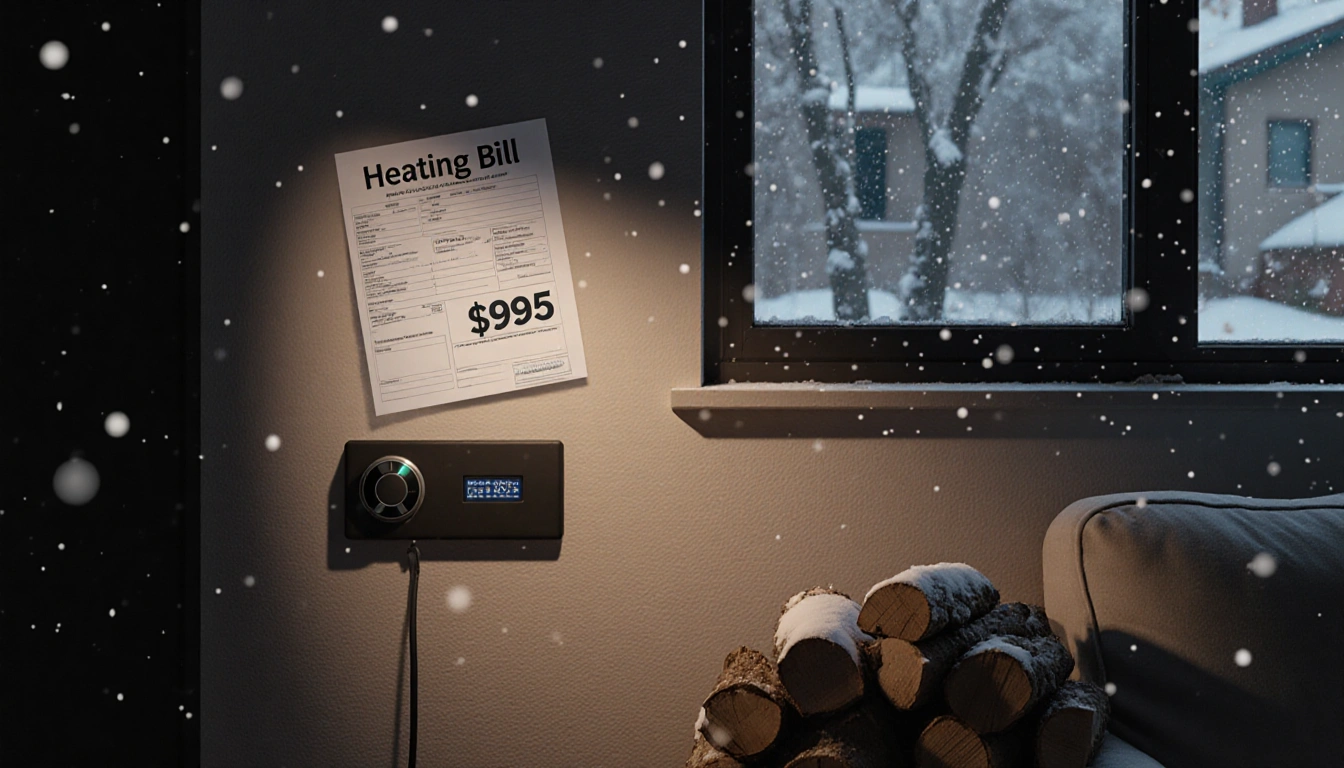
A recent report from the National Energy Assistance Directors’ Association (NEADA), a policy organization that represents state governments seeking federal funds for low-income home energy programs, estimates that U.S. households could spend an average of $995 on home heating from mid-November to March. That figure is $84 more than the average spending during the previous winter.
NEADA projects heating costs will rise by an average of 9.2% over the next three months. The organization also warns that about 4 million households could be at risk of having their power shut off this winter.
> “Energy is not a luxury-it is a necessity. No family should lose power because they cannot afford rising utility bills,” said Mark Wolfe, NEADA’s executive director.
Average costs vary by heating source: households using electric heating could see average winter costs rise to $1,223, while those using natural gas might pay closer to $704.
Electricity Prices at Decade Highs
Residential electricity costs are at their highest levels in a decade. According to NEADA’s report issued Tuesday, the average monthly electric bill has already jumped 10% this year. This rise in electricity prices adds to the burden of heating costs, especially for families that rely on electric heating.
Political Context
The issue of rising energy costs is politically sensitive for President Donald Trump, who has tried to downplay the idea that affordability has become a major problem for voters. Despite the administration’s stance, many people are already struggling to keep up with their power bills.
Factors Behind Rising Prices
Demand from AI Data Centers
Artificial intelligence data centers consume massive amounts of electricity. A Bloomberg News analysis found that the cost of wholesale electricity in areas near AI data centers has surged 267% in the last five years alone.
Aging Grid Maintenance
The cost of repairing and maintaining America’s aging electric power grid also contributes to higher prices, NEADA says.
Key Takeaways
- December’s average temperature is projected to be 8% colder than the decade’s average, driving up heating demand.
- NEADA estimates U.S. households will spend an average of $995 on heating from mid-November to March, $84 more than last winter.
- Residential electric bills have risen 10% this year, and 4 million households face potential power shut-offs.
The combination of a colder winter, rising electricity prices, and increased demand from AI data centers is creating a challenging environment for U.S. consumers. Energy affordability remains a critical issue for millions of households across the country.
Closing
As the winter season continues, the NEADA report highlights the urgent need for policies that address the rising cost of heating and electricity. For many families, the difference between a warm home and a power outage could come down to the rising price of energy.