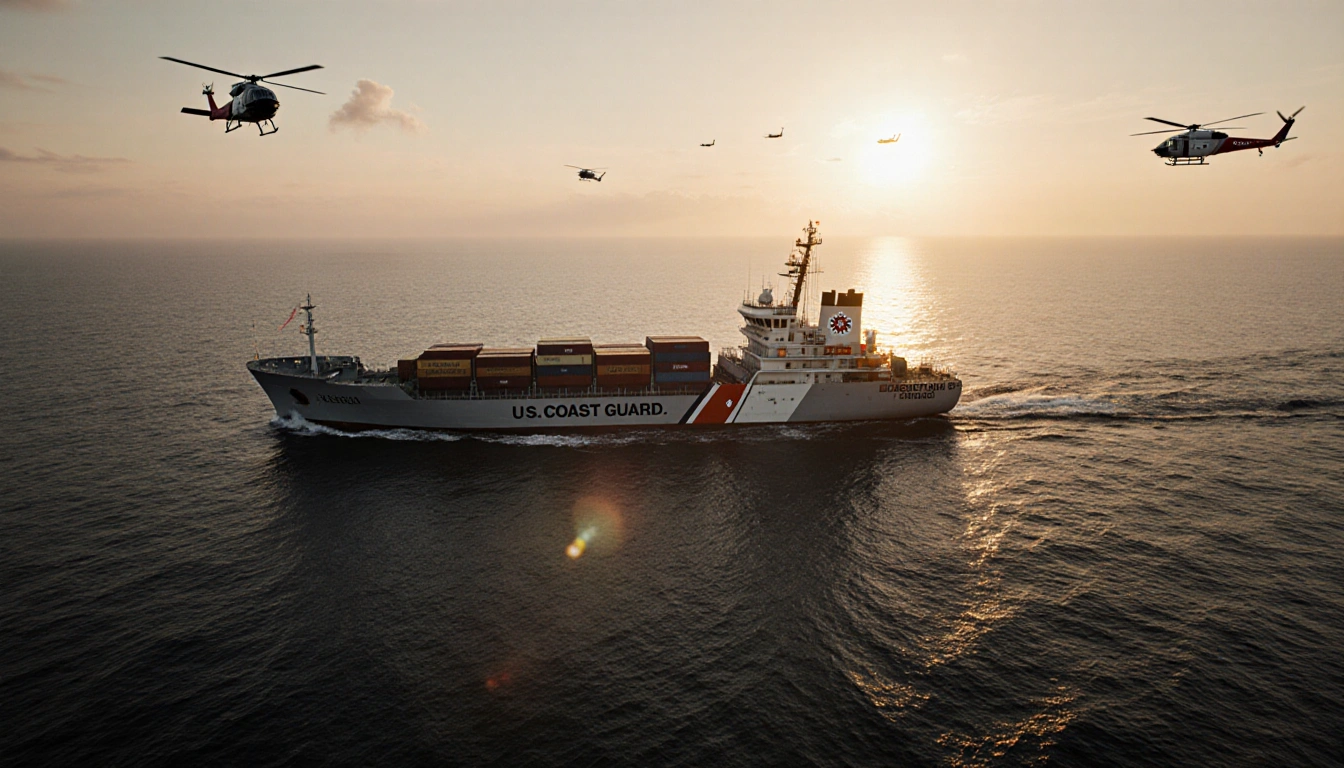

On December 10, U.S. forces intercepted a sanctioned oil tanker off Venezuela’s coast, a move that signals a tightening of the United States’ pressure on the country’s energy exports. The operation, still in progress, was led by the U.S. Coast Guard and received support from the U.S. military, which deployed helicopters to ferry personnel and to monitor the scene from the air. The seizure followed a week-long pattern of interdictions that has seen the U.S. government target vessels carrying Venezuelan oil. The action was first reported by Reuters and later confirmed by NBC News, with a post from former Florida Attorney General Pam Bondi on X offering additional details.
The Coast Guard’s leadership of the mission underscores its role in enforcing maritime sanctions. According to officials, the U.S. military’s helicopter crews were tasked with transporting Coast Guard teams to the vessel and maintaining aerial surveillance throughout the interdiction. These combined efforts ensured that the sanctioned tanker was brought under U.S. control without incident. The operation highlights the coordination between different branches of the U.S. armed forces when confronting sanctioned shipping in international waters.
Just a week earlier, U.S. authorities seized a large sanctioned oil tanker known as the Skipper off the Venezuelan coast. That interdiction was part of a broader effort to curtail the movement of Venezuelan oil to foreign markets. The Skipper’s seizure demonstrated the U.S. commitment to enforcing the sanctions regime that has been in place since the Trump administration began tightening restrictions on the country’s energy sector.
Following the Skipper incident, the Trump administration imposed sanctions on six additional ships believed to be transporting Venezuelan oil. These new sanctions expanded the list of vessels subject to U.S. enforcement actions and increased the pressure on the Venezuelan oil industry. By targeting more ships, the U.S. government aimed to disrupt the supply chain and limit the country’s ability to generate revenue from its hydrocarbon resources.
The current operation remains ongoing, with no definitive conclusion announced by the Coast Guard or the U.S. military. Officials confirmed that the mission is still active and that the vessel remains under U.S. control. The lack of a final status update suggests that authorities are continuing to monitor the situation closely, ensuring that all regulatory requirements are met before any further steps are taken.
Reuters was the first outlet to report the interdiction, providing an initial account of the seizure. NBC News later received confirmation from two U.S. officials, who corroborated the details of the operation. Pam Bondi’s X post added context, indicating that the tanker was sanctioned and that the U.S. Coast Guard was leading the interdiction. These multiple sources reinforce the credibility of the information and provide a comprehensive view of the event.
The seizure of the tanker represents a significant enforcement action against Venezuelan oil exports. By targeting a sanctioned vessel, the U.S. government is sending a clear signal that it will continue to monitor and disrupt shipping routes that carry oil from Venezuela to foreign markets. This action also serves to uphold the integrity of the sanctions regime, ensuring that sanctioned entities cannot evade restrictions through maritime channels.
These interdictions are part of a sustained U.S. strategy to apply pressure on the Venezuelan government. The coordinated efforts of the Coast Guard and the military reflect the broader objective of limiting the country’s oil revenue streams. While the immediate outcome of the current operation is still unfolding, the pattern of enforcement actions demonstrates a continued commitment to the sanctions framework.
Key Takeaways
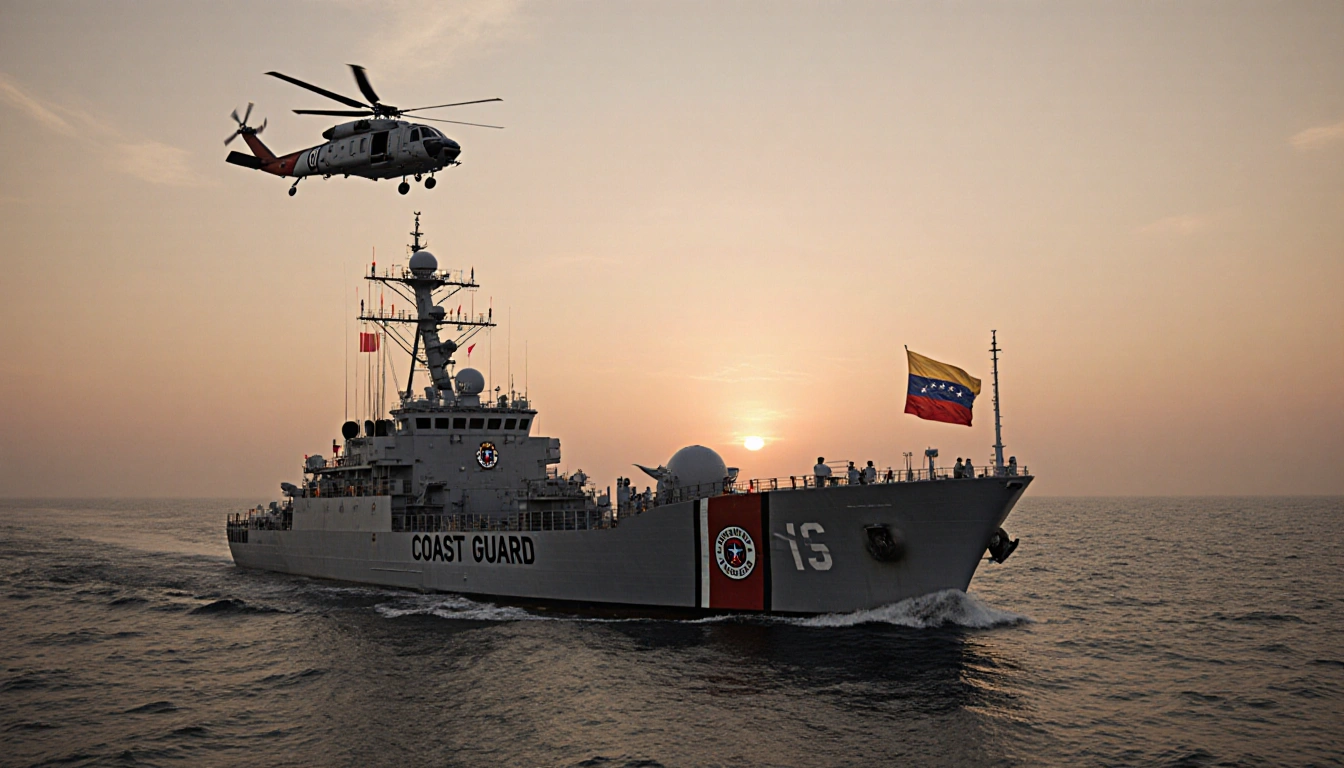
- U.S. Coast Guard seized a sanctioned oil tanker off Venezuela on Dec 10.
- The operation is led by the Coast Guard with military helicopter support.
- Six additional ships were sanctioned after the Skipper interdiction.
In summary, the December 10 interdiction marks the latest chapter in the United States’ ongoing campaign to enforce sanctions on Venezuelan oil exports. The collaboration between the Coast Guard and the military, the swift reporting by Reuters and NBC News, and the confirmation from U.S. officials all underscore the seriousness of the operation. As the mission remains active, observers will watch for further developments that could shape the future of Venezuelan maritime commerce and the broader sanctions regime.