
In a recent report compiled by Rep. Ayanna Pressley, the vast majority of federal pardons issued by President Donald Trump this year have gone to a narrow group of white defendants tied to the Jan. 6 attack.
The Report’s Findings
Pressley’s 19‑page document, titled “Trump’s Clemency Gap,” was first shared with NBC News and draws on all publicly reported federal clemency actions from Jan. 20 through Dec. 5. The report lists more than 1,700 individuals who received pardons or other forms of clemency during that period.
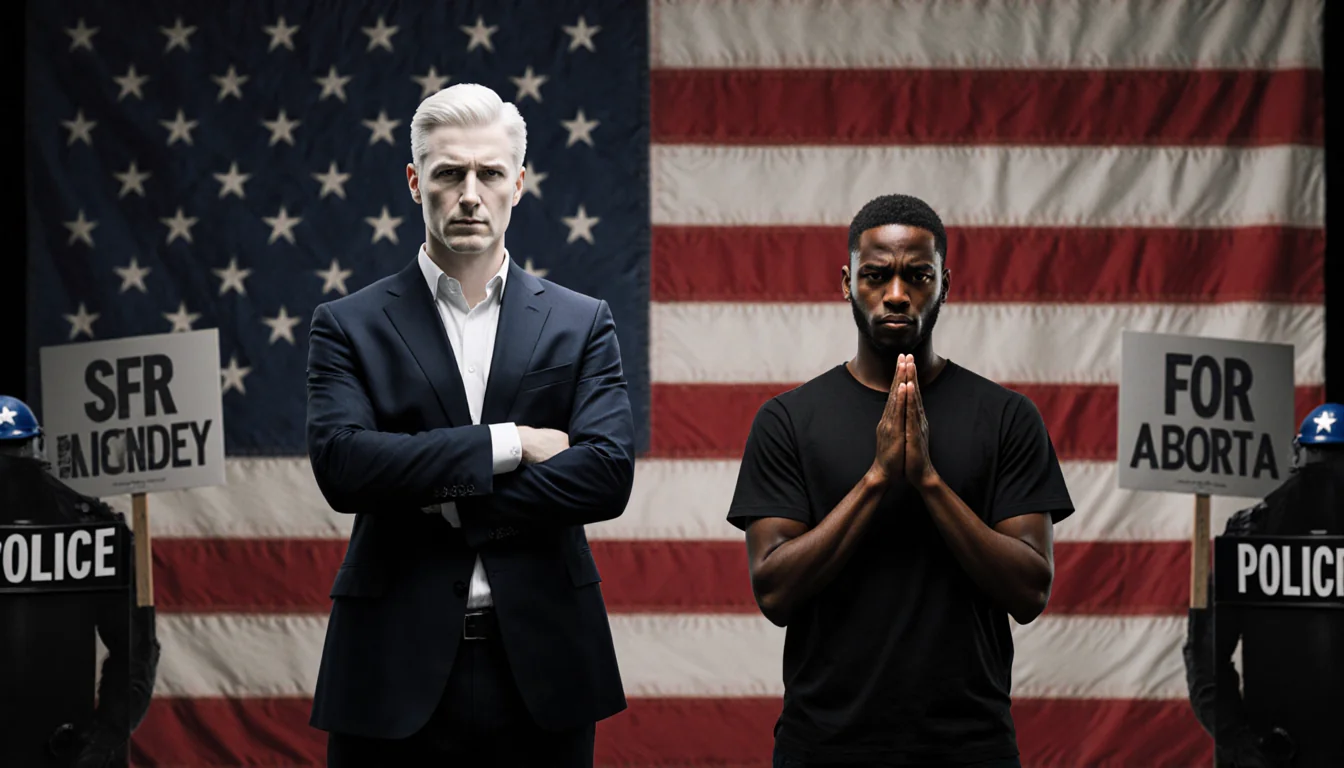
According to the findings, 85% of those granted clemency are white, 5% are Latino, and 8% are Black. In contrast, the general federal prison population is composed of 25% white, 36% Hispanic, and 34% Black inmates.
Pressley’s office released a statement that said, “Donald Trump’s use of clemency and pardons has neglected many of the most marginalized and impacted communities.” She added in an interview that, “What this report illustrates is that Donald Trump has neglected to use the powerful tool of clemency to benefit those who need it the most.”
The report also notes that the president’s clemency activity heavily favored Jan. 6 defendants, who collectively represent 90% of all individuals granted clemency during the timeframe.
The Scope of Clemency
Trump’s most prominent use of the pardon power was the blanket clemency granted to roughly 1,500 criminal defendants charged in the Jan. 6, 2021, attack on the U.S. Capitol. The 19‑page analysis confirms that those defendants comprise 90% of the more than 1,700 people who received pardons or clemency.
The document was compiled from White House announcements, Justice Department records, the U.S. Sentencing Commission, academic research institutions, and news reports. This multi‑source approach was intended to provide a comprehensive view of the president’s clemency activity.
Pressley’s office found that only nine clemency actions benefited people convicted of drug offenses. That figure is striking when compared to the more than 60,000 people in prison for drug‑related crimes.
The report highlights that the president’s clemency activity has largely been directed toward political allies and high‑profile defendants, rather than individuals who are disproportionately harmed by systemic injustices.
Notable Exceptions and Financial Impact
One notable exception identified in the report is Trump’s pardon of former Honduran President Juan Orlando Hernández. Hernández was convicted by an American jury of conspiring to import cocaine into the United States and was sentenced to 45 years behind bars.
In late November, Trump posted a statement on social media saying that “according to many people that I greatly respect,” Hernández was “treated very harshly and unfairly.” The report cites this comment as part of the rationale for the pardon.
The analysis also calculates that roughly $1.4 billion in restitution and fines were lost as a result of Trump’s clemency grants. This figure is based on a House Democratic memorandum released in June, which the report references.
The report argues that “Trump has used his clemency authority to absolve $1.4 billion, allowing people to profit from their crimes and costing the federal government money that could have been put toward public goods, restorative justice programs, and more.”
Political Context and Reactions
Pressley’s office did not compile a report on former President Joe Biden’s pardon and commutation record, a spokeswoman confirmed. In an email, the office said that she has been a “steadfast champion of clemency reform” under multiple administrations.
Biden issued the most individual pardons and commutations of any president in U.S. history, and he set the record for the largest single‑day act of clemency a few days before leaving office, commuting the sentences of nearly 2,500 people convicted of nonviolent drug offenses. The report notes that Biden also courted controversy by pardoning his son Hunter Biden.
Separately, Pressley sent a letter to Alice Johnson, the Trump administration’s “pardon czar,” urging her to “prioritize clemency for those who have been disproportionately harmed by systemic injustices.” The letter, shared with NBC News, included the line, “Pardons and commutations have the power to transform people’s lives. It should not be limited to wealthy people and political allies.”
Johnson became a key advocate for criminal justice reform after Trump commuted her life sentence during his first term. By that time, she had served more than 21 years of a life sentence for a first‑time, nonviolent drug offense. Kim Kardashian had lobbied the White House for her release.
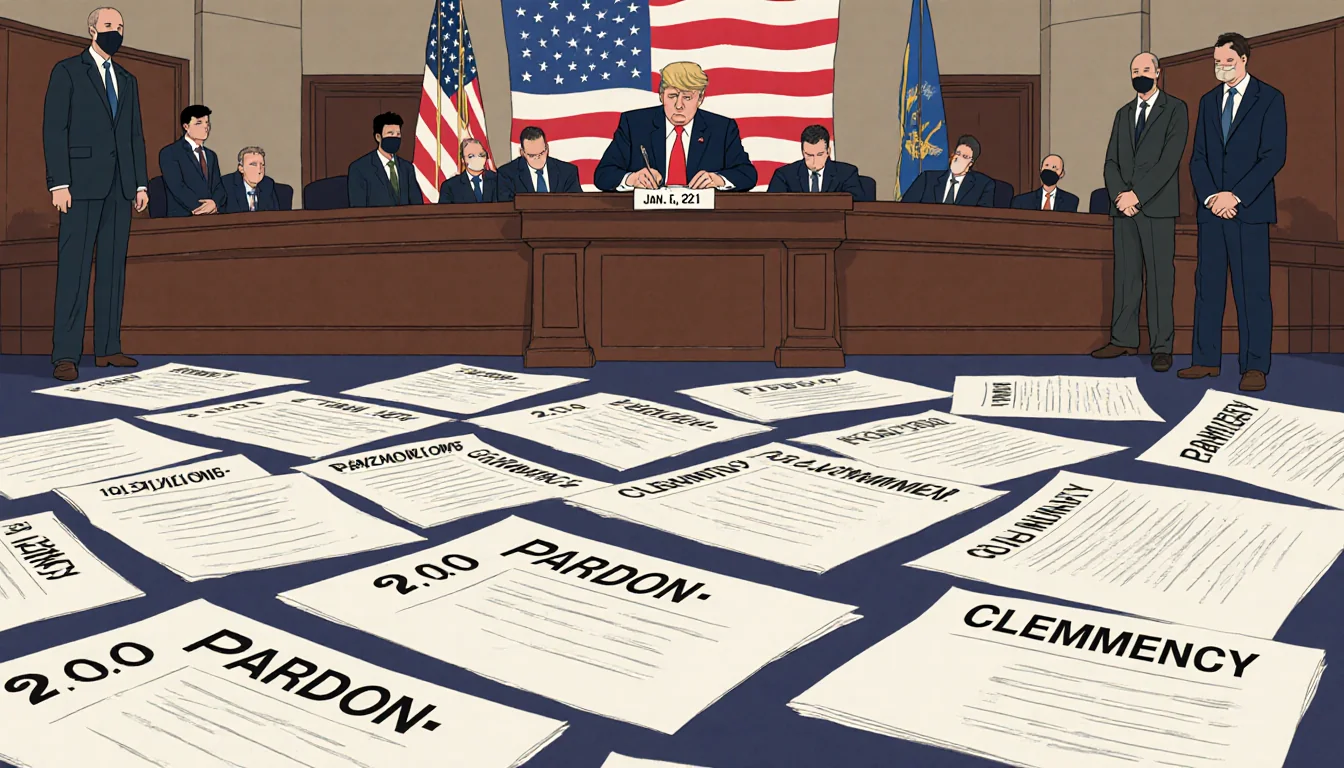
The report’s findings were released to NBC News, and the outlet has reached out to the White House for comment. The analysis is titled “Trump’s Clemency Gap” and outlines the president’s other uses of his pardon power, with a particular emphasis on “who has benefited and who has been left behind.”
Key Takeaways
- 85% of Trump’s pardons this year went to white Jan. 6 defendants, far exceeding the racial composition of the federal prison population.
- Only nine clemency actions benefited drug‑offense inmates, highlighting a narrow focus on political and high‑profile cases.
- Trump’s clemency grants resulted in the loss of approximately $1.4 billion in restitution and fines.
The report underscores a pattern of selective clemency that has left marginalized communities largely untouched, prompting calls from Rep. Pressley and others for a broader, more equitable use of presidential pardon power.