
At a Glance
- Trump cited Monroe Doctrine to justify arrest of Venezuelan leader Nicolás Maduro.
- He announced a “Trump Corollary” aimed at restoring U.S. dominance in the Western Hemisphere.
- Scholars highlight the doctrine’s long history of U.S. intervention in Latin America.
- Why it matters: The move signals a renewed U.S. military stance in the region and raises questions about international law and democratic norms.
President Donald Trump used the Monroe Doctrine to justify the arrest of Venezuelan president Nicolás Maduro and unveiled a new policy he calls the ‘Trump Corollary.’ The remarks come amid a broader U.S. strategy to reassert dominance in the Western Hemisphere and reflect a pattern of historical intervention. The decision has drawn academic scrutiny over its alignment with past U.S. actions in Latin America.
Trump’s Use of the Monroe Doctrine
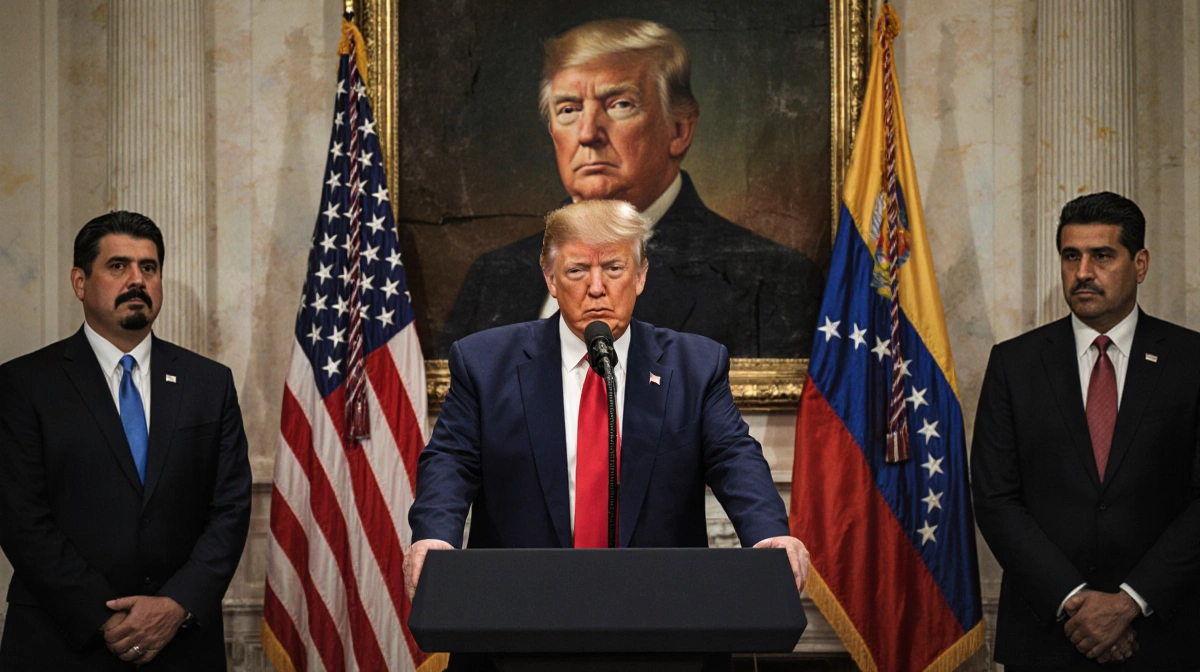
Trump referenced the 1823 Monroe Doctrine during a Saturday address, saying the doctrine “has been invoked repeatedly by subsequent presidents to justify U.S. intervention in the region.” He linked the doctrine to the capture of Maduro, claiming it was a necessary step to protect U.S. interests. The statement included the line: “under our new national security strategy, American dominance in the Western Hemisphere will never be questioned again.”
President Trump stated:
> “under our new national security strategy, American dominance in the Western Hemisphere will never be questioned again.”
The ‘Trump Corollary’ and Military Action
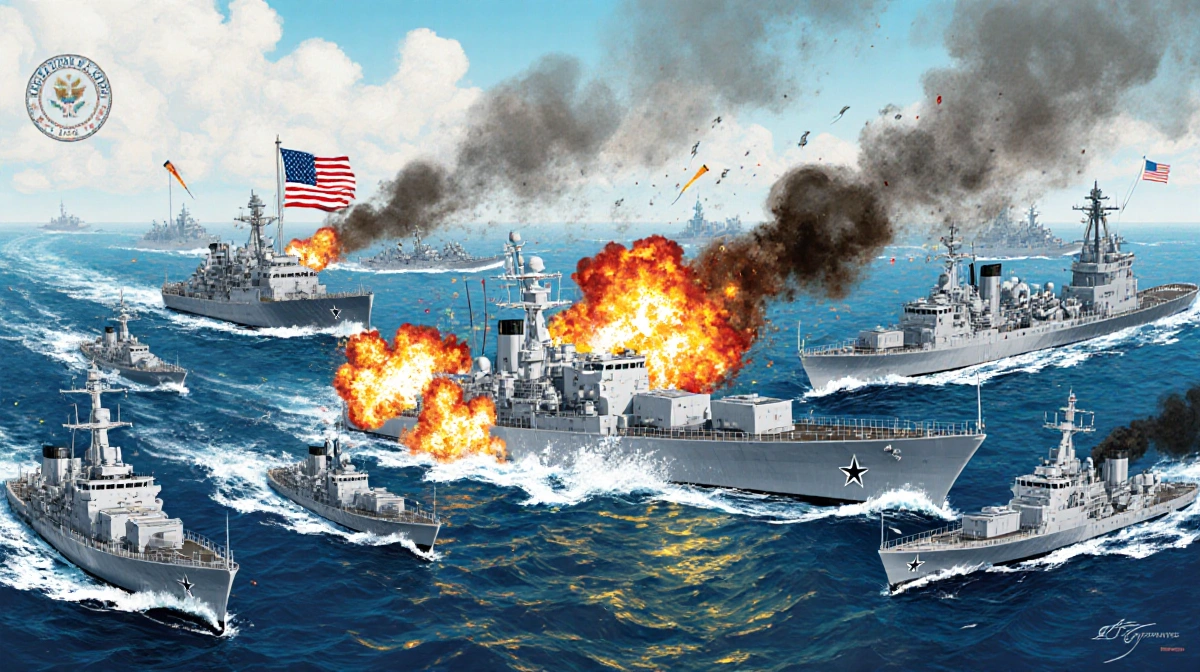
Trump said the policy, dubbed a “Trump Corollary,” would restore American preeminence and involve military strikes on alleged drug trafficking boats. He described the strategy as a response to Venezuela hosting foreign adversaries and acquiring offensive weapons. The White House released a national security strategy in December that framed these actions as part of the corollary.
- Restore American preeminence in the Western Hemisphere
- Military strikes on alleged drug trafficking boats
- Response to Venezuela hosting foreign adversaries and acquiring offensive weapons
Academic Perspectives on the Doctrine
History professor Jay Sexton noted that Venezuela has often been the trigger for corollaries to the doctrine, citing examples from the late 1800s to the present. Professor Gretchen Murphy argued that Trump’s use of the doctrine follows a pattern of legitimizing interventions that serve U.S. commercial and strategic interests. Both scholars emphasize that the doctrine has historically been used to police Latin American governments rather than protect them.
Jay Sexton stated:
> “Historically, Venezuela has been the pretext or the trigger for a lot of corollaries to the Monroe Doctrine.”
Gretchen Murphy stated:
> “I think Trump is jumping on this familiar pattern-citing the Monroe Doctrine to legitimate interventions that undermine real democracy, and ones where various kinds of interests are served, including commercial interests.”
Key Takeaways
- Trump invoked the Monroe Doctrine to justify Maduro’s arrest.
- A new “Trump Corollary” policy seeks to restore U.S. dominance in the Western Hemisphere.
- Scholars warn the doctrine has historically policed Latin American governments.
The use of the Monroe Doctrine and the proposed “Trump Corollary” marks a significant shift in U.S. foreign policy toward Venezuela and may reshape regional dynamics. Observers will watch how the strategy unfolds and whether it sets a new precedent for U.S. intervention.