

At a Glance
- New federal dietary guidelines released Wednesday push double the old protein target and embrace full-fat dairy.
- The inverted food pyramid replaces MyPlate, demoting grains while lifting protein, dairy, and healthy fats.
- Added sugars capped at 10 grams per meal and ultra-processed foods get red-flagged.
- Why it matters: School lunches, SNAP, and military meals will shift nationwide over the next two years.
The Trump administration has unveiled its rewrite of America’s eating roadmap, and the familiar plate is gone. In its place: a flipped pyramid that prizes protein and whole-milk products while warning against ultra-processed snacks.
What Changed on Your Plate
Out goes MyPlate’s equal-quadrant model. The new pyramid puts protein, dairy, healthy fats, fruits, and vegetables on top while nudging whole grains to the sidelines.
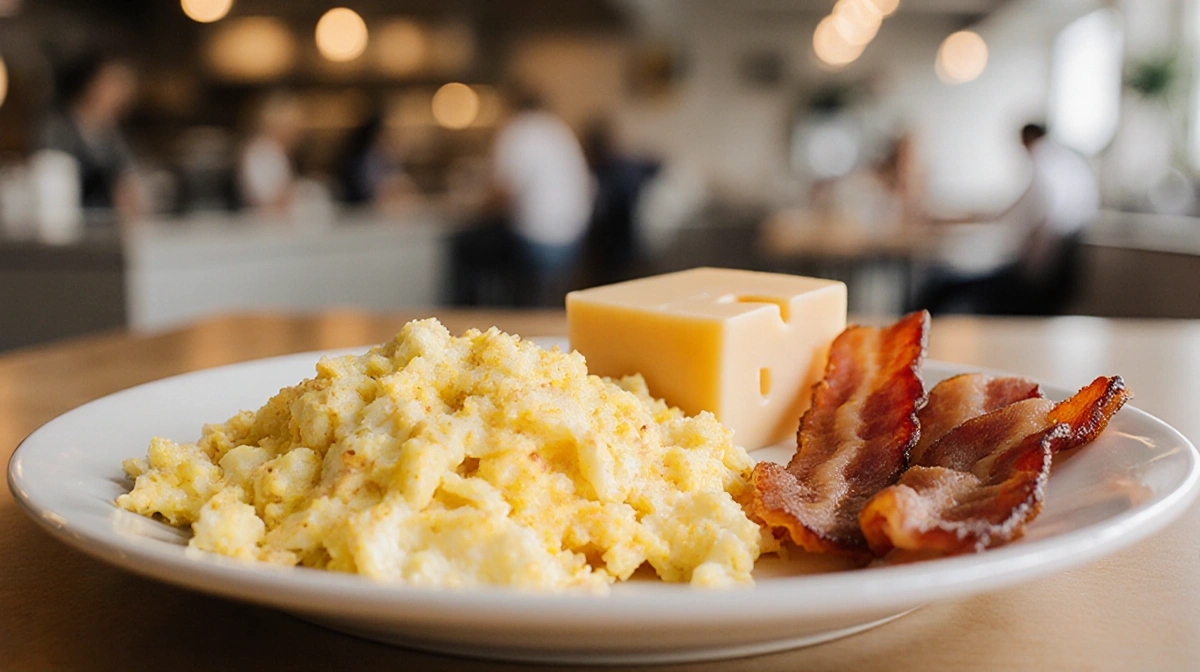
Daily protein jumps to 1.2-1.6 grams per kilogram of body weight, nearly twice the previous 0.8-gram standard. Full-fat dairy is officially encouraged, reversing decades of low-fat messaging, though saturated fat still must stay below 10 % of total calories.
Where the Lines Stayed the Same
- Saturated-fat limit: < 10 % of daily calories
- Sodium cap: 2,300 mg for ages 14+
- Alcohol advice softened to “drink less for better health,” dropping the one-for-women, two-for-men caps
What Experts Are Saying
American Medical Association:
> “The Guidelines affirm that food is medicine and offer clear direction patients and physicians can use to improve health.”
Marion Nestle, NYU nutrition professor emerita:
> “Advice to limit highly-processed foods is a major improvement, but everything else is weaker or has no scientific justification.”
American Heart Association maintains its stricter < 6 % saturated-fat target, citing heart-disease and stroke-risk data.
Supermarket Reality Check
Added sugars now have a per-meal ceiling of 10 grams. Shoppers are told to scan ingredient lists for words ending in “-ose,” “syrup,” or plain “sugar.”
Fruits and vegetables should be eaten “in their original form”; frozen, dried, or canned versions pass only if they add little or no sugar.
Timeline for Cafeterias
The new standards will roll out to school lunches, military mess halls, SNAP, and child-nutrition programs over the next two years.
Key Takeaways
- Expect more meat, cheese, and whole milk on federally funded menus.
- Ultra-processed snacks like chips, cookies, and candy are officially discouraged.
- Grains lose prominence, but saturated-fat guardrails remain unchanged.
The pyramid is back, upside down, and it’s bringing heavier protein portions to a cafeteria near you.