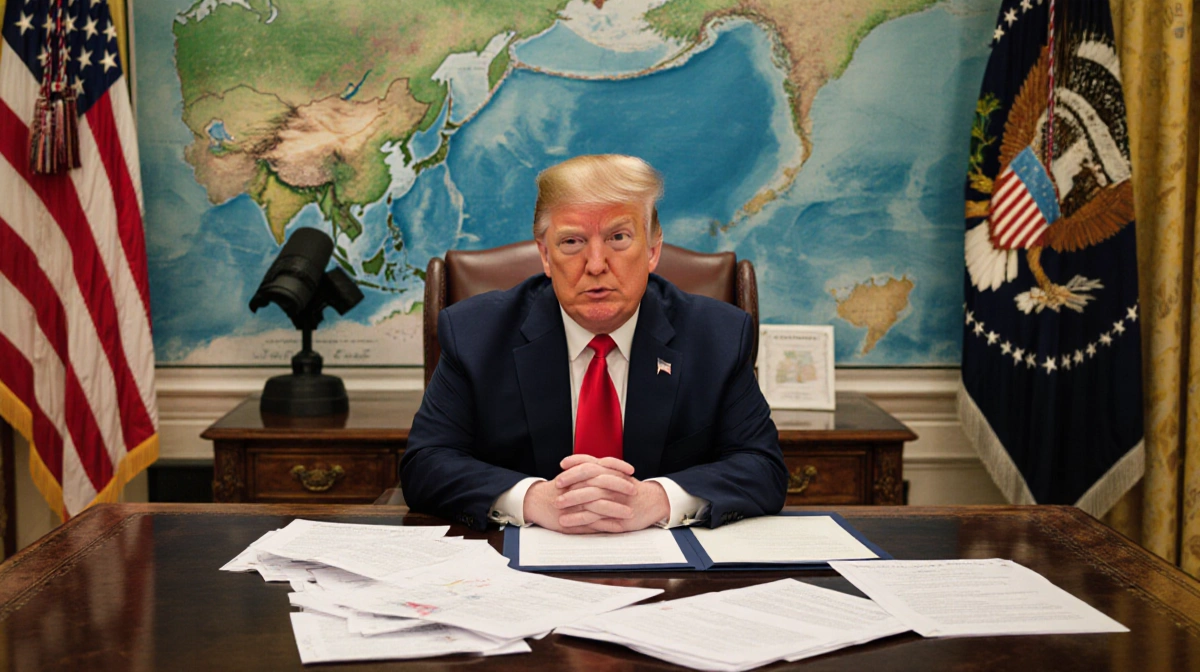

President Donald Trump has canceled planned tariffs on eight European countries after announcing what he called a “framework of a future deal” over Greenland and the Arctic.
At a Glance
- Trump drops 10% tariffs set for Feb. 1 against Denmark, the U.K. and six other NATO exercise partners
- The president linked the reversal to “productive” talks with NATO Secretary-General Mark Rutte
- Stocks jumped to daily highs on the surprise announcement
- Why it matters: The move eases trade tensions and signals potential U.S. expansion ambitions in the Arctic
The reversal came late Wednesday, just days after Trump warned that tariffs would rise to 25% in June if the countries did not yield to U.S. demands over Greenland. The president revealed the shift in a Truth Social post, citing a meeting with NATO chief Mark Rutte.
“Based upon a very productive meeting that I have had with the Secretary General of NATO, Mark Rutte, we have formed the framework of a future deal with respect to Greenland and, in fact, the entire Arctic Region,” Trump wrote.
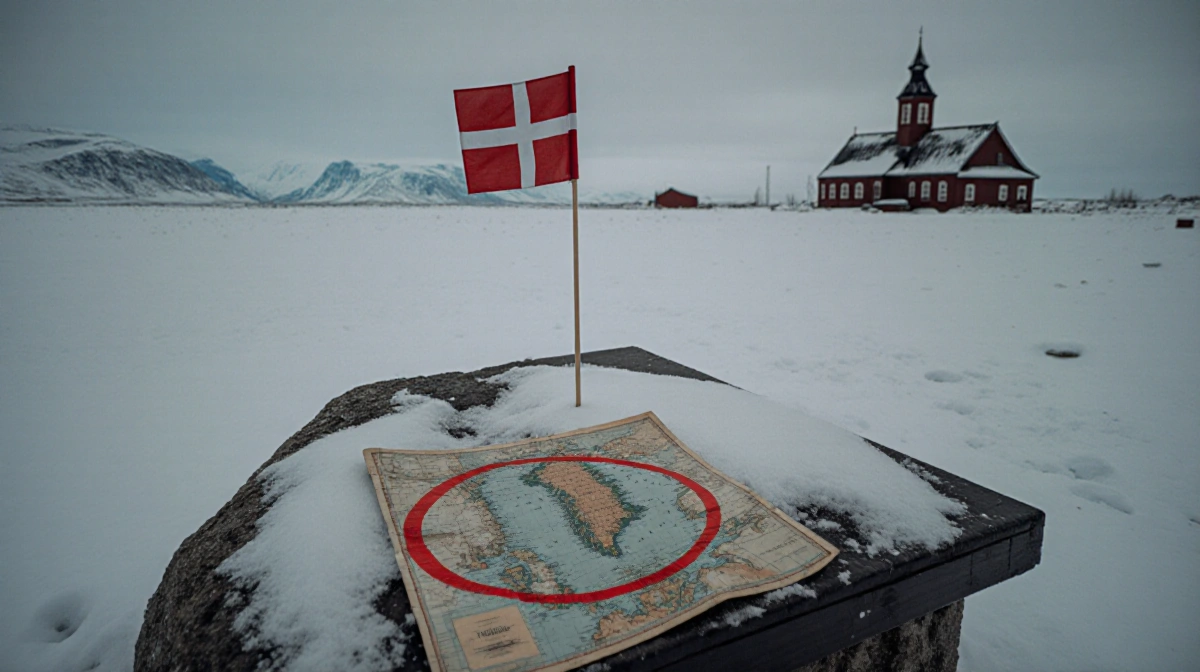
He added: “Based upon this understanding, I will not be imposing the Tariffs that were scheduled to go into effect on February 1st.”
The eight countries had faced a 10% tariff starting Feb. 1. Trump had vowed to increase the rate to 25% by June if they refused to allow the United States to take control of Greenland.
The president first floated the tariff threat over the weekend, sending global markets into turmoil. Investors worried about a fresh trade war as Trump doubled down on his long-standing interest in acquiring the autonomous Danish territory.
During a Saturday address at the Davos Economic Forum, Trump again pressed the case for an American takeover of Greenland. At times, he appeared to confuse the island with Iceland while speaking to international leaders, according to News Of Philadelphia.
Financial markets responded swiftly to Wednesday’s reversal. Major stock indexes surged to their highest levels of the day as traders welcomed the abrupt de-escalation.
The tariff climb-down marks a rare retreat for Trump, who has made aggressive trade policy a hallmark of his economic agenda. It also underscores the administration’s willingness to use trade leverage to advance geopolitical goals in the Arctic.
Greenland, home to 57,000 residents, has been a recurring fixation for Trump since 2019, when he first publicly floated the idea of a U.S. purchase. Danish officials swiftly rejected the proposal at the time, calling the idea “absurd.”
The island’s strategic location between North America and Europe, along with its untapped natural resources and melting ice sheets that open new shipping lanes, has fueled U.S. interest. Trump has argued that American control would strengthen national security and economic interests.
Neither the White House nor NATO provided immediate details about what the “framework” agreement entails. Rutte has not publicly commented on the meeting or any potential deal involving Greenland.
Denmark and Greenland’s local government also remained silent on Wednesday evening. The territory enjoys broad autonomy under the Danish crown, and any transfer of sovereignty would require consent from both Greenlandic and Danish authorities.
The tariff threat had targeted countries participating in NATO exercises, including Denmark, the U.K., and six others Trump did not name. All are close military allies, making the trade threat an unusual tactic in alliance diplomacy.
Trump’s statement gave no indication that the administration has dropped its broader ambitions in the Arctic. The president emphasized that the framework covers “the entire Arctic Region,” suggesting future negotiations could extend beyond Greenland.
The Arctic has become an arena of great-power competition as melting ice unlocks access to oil, gas, and rare minerals. Russia has expanded its military footprint there, while China has declared itself a “near-Arctic” state and invested in regional infrastructure.
U.S. officials have warned about Beijing and Moscow’s growing influence. Trump’s latest move could signal an effort to reassert American dominance through a mix of trade pressure and diplomatic outreach.
Markets will now watch for any concrete steps toward a Greenland deal. Without visible progress, the president could revive tariff threats, keeping investors on edge.
For now, European exporters have dodged immediate pain. The 10% duty would have hit everything from Danish pharmaceuticals to British steel, raising costs for U.S. consumers and disrupting supply chains.
Key Takeaways
- Trump linked tariff relief to Arctic negotiations after meeting NATO’s Rutte
- Financial markets rallied on the sudden de-escalation
- The framework’s specifics remain undisclosed
- Future trade threats could resurface if talks stall