President Donald Trump told reporters late Sunday that Iran’s leaders have asked to negotiate, even as he warned that U.S. strikes remain on the table after a violent crackdown on nationwide protests that activists say has killed hundreds and triggered a days-long internet blackout.
At a Glance
- Iran’s foreign minister claims the unrest is “under total control” while blaming the U.S. and Israel for the violence
- Trump says Tehran called requesting talks and that “a meeting is being set up”
- Preliminary U.S. military options-from targeted strikes to non-military actions-have already been presented to the president
- Why it matters: A potential U.S. attack could ignite a wider conflict after the bloodiest internal unrest Iran has seen in decades
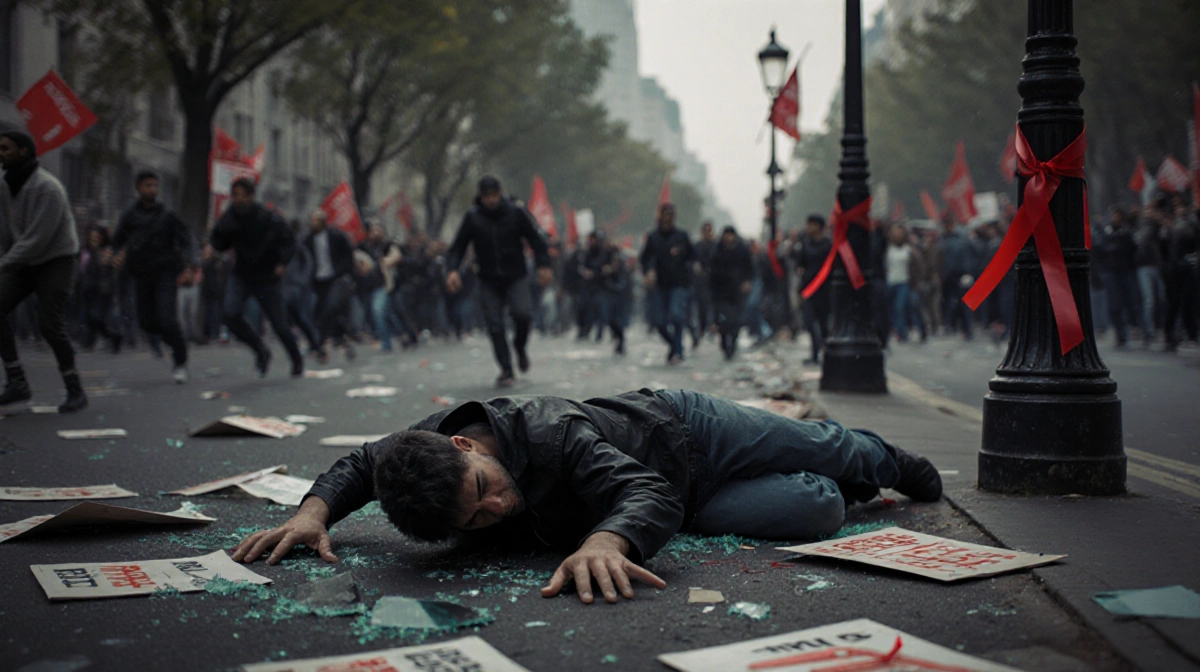
The demonstrations erupted two weeks ago over soaring prices and a collapsing currency but have since morphed into one of the most serious challenges to the 47-year-old Islamic Republic, with thousands demanding the end of clerical rule. Security forces have responded with live fire, and a blanket communications blackout has obscured the scale of the killings.
“They want to negotiate”
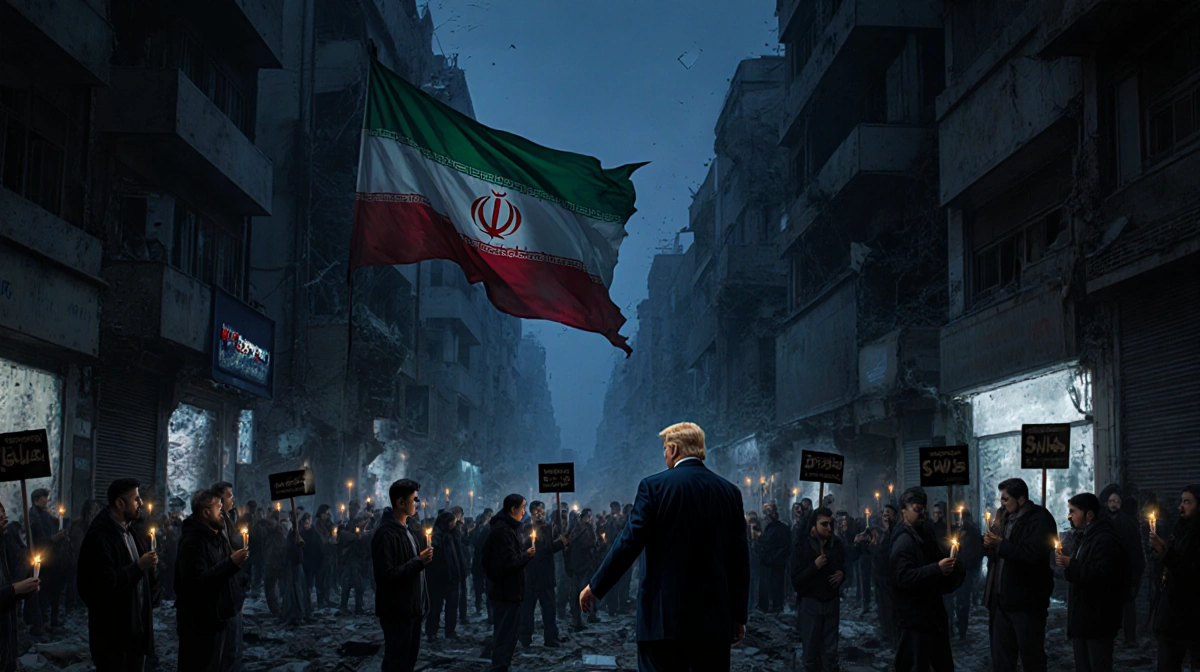
Speaking aboard Air Force One, Trump said Iranian officials “called me and they want to negotiate,” adding that “a meeting is being set up.” He immediately qualified the overture: “We may have to act because of what’s happening before the meeting.”
The president confirmed that “the military is looking” at “some very strong options.” When asked about Tehran’s threats of retaliation, he replied, “If they do that, we will hit them at levels that they’ve never been hit before.”
Three U.S. officials told News Of Philadelphia that Trump has already received preliminary plans ranging from potential strikes to alternative measures that would avoid direct military action. No final decision has been made.
Rising death toll
The U.S.-based Human Rights Activists News Agency (HRANA) reported Sunday that at least 544 people have been killed-496 protesters and 48 security personnel-while more than 10,000 have been detained. Iranian authorities have released no official casualty figures.
Hadi Ghaemi, executive director of the New York-based Center for Human Rights in Iran, told News Of Philadelphia by phone: “We do truly believe that a massacre has taken place, and the extent and dimensions of it are yet to be known as the country comes out of the internet blockade, if it does. They don’t seem in any rush to restore the internet.”
A video geolocated by James O Connor Fields to a forensic medical center in Kahrizak, about five miles south of Tehran, shows dozens of bodies in black bags laid out in the open air as distraught voices wail in the background. A TV screen inside the facility scrolls through photos of the dead while a counter displays “250” and Friday’s date.
Tehran’s warning
Iranian Foreign Minister Abbas Araghchi told foreign ambassadors Monday that the situation is “under total control” and accused Washington and Tel Aviv of orchestrating the violence without providing evidence. “The demonstrations turned violent and bloody to give an excuse to the American president to intervene,” he said, according to Qatar-owned Al Jazeera.
Parliament Speaker Mohammad Baqer Qalibaf, a former Revolutionary Guards commander, issued a direct threat: “Let us be clear: in the case of an attack on Iran, the occupied territories (Israel) as well as all U.S. bases and ships will be our legitimate target.”
United Nations Secretary-General António Guterres posted on X Sunday: “Shocked by reports of violence & excessive use of force by the Iranian authorities against protesters resulting in deaths & injuries in recent days,” urging “maximum restraint.”
What happens next
Iranian authorities have called for a pro-government counter-demonstration on Monday, yet analysts expect protests to continue. “I think everything is fluid. It’s very hard to imagine what will happen in the coming days,” Ghaemi said.
With preliminary U.S. options already on Trump’s desk and Iran hinting at both readiness for talks and a fierce response to any attack, the coming days could determine whether diplomacy halts the cycle of violence or the region slides into a new military confrontation.