
> At a Glance
> – President Donald Trump renewed U.S. calls to acquire Greenland, citing national security
> – Denmark and Greenland’s government both reject the idea, stressing self-determination
> – Melting ice and rare-earth minerals fuel Arctic competition with China and Russia
> – Why it matters: Arctic shipping lanes and resources are reshaping global security and trade
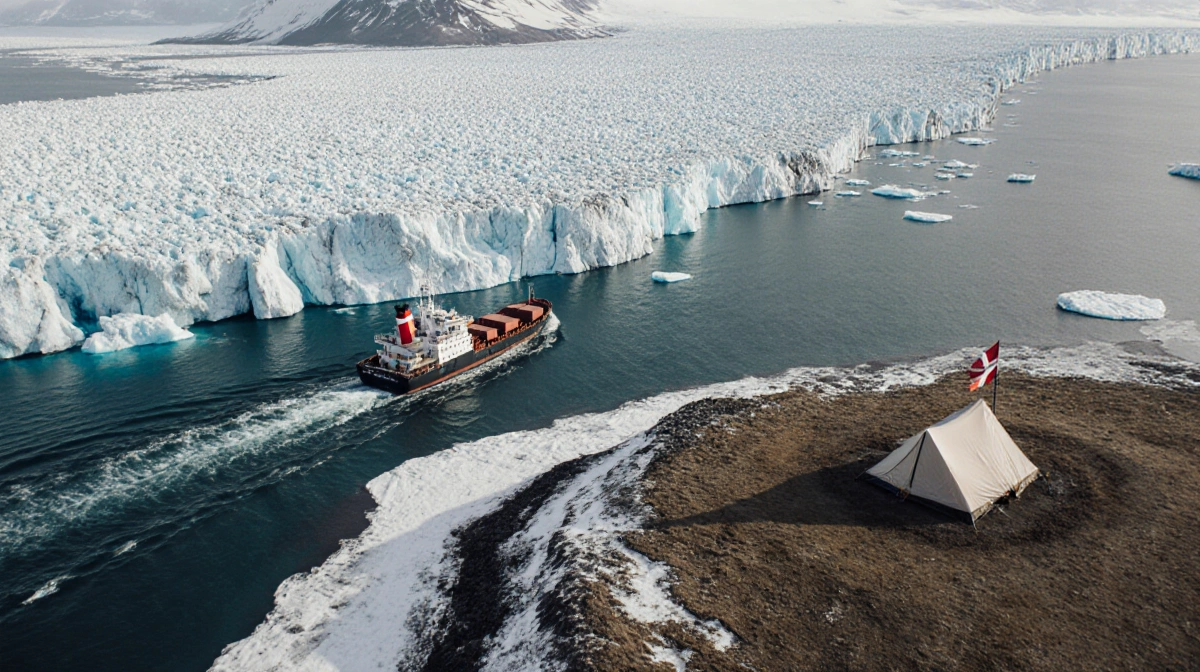
Greenland, long overlooked, now sits at the center of great-power competition as climate change opens Arctic sea routes and exposes vast mineral wealth.
Strategic Crossroads
Greenland’s position above the Arctic Circle guards the GIUK Gap, a chokepoint for Russian naval traffic between Europe and North America. Since 1951, the U.S. has operated Pituffik Space Base in northwest Greenland for missile warning and space surveillance.
Thomas Crosbie, Royal Danish Defense College, says a U.S. takeover would add zero security value:
> “The United States will gain no advantage if its flag is flying in Nuuk versus the Greenlandic flag. There’s no benefits to them because they already enjoy all of the advantages they want.”
Rivals Advance
- China in 2018 branded itself a “near-Arctic state” and floated a Polar Silk Road tied to its Belt and Road Initiative
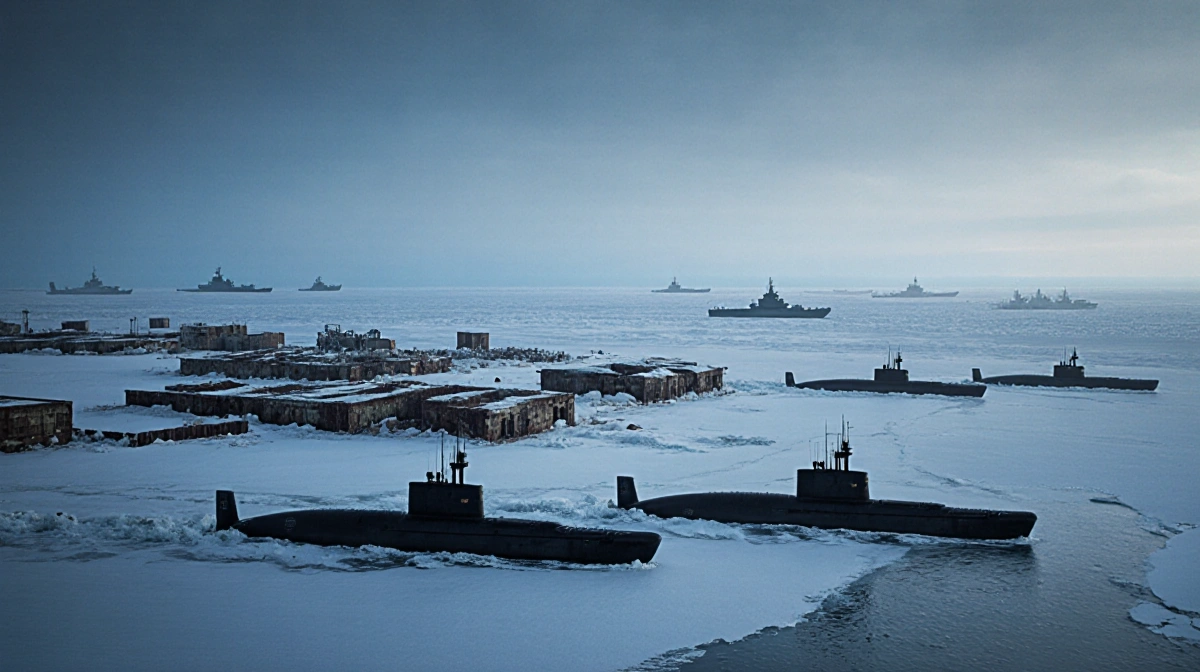
- Russia has reopened Soviet-era Arctic bases, built new airfields, and hinted at resuming nuclear tests
- NATO tracks Russian submarines through the GIUK Gap; Denmark last June approved wider U.S. base access on Danish soil
Greenland’s Resources
Greenland holds deposits of rare-earth minerals vital for smartphones, batteries, and military hardware. Currently, China dominates global supply chains, spurring Western interest in alternative sources.
Development hurdles include:
- Harsh Arctic climate
- Strict environmental rules
- Limited infrastructure
Denmark’s Counter-Moves
Copenhagen and Nuuk unveiled a 14.6 billion-kroner ($2.3 billion) plan to reinforce sovereignty:
| Asset | Quantity |
|---|---|
| Arctic patrol vessels | 3 |
| Long-range surveillance drones | 2 |
| Satellite capacity | added |
The Joint Arctic Command in Nuuk coordinates patrols, while the Sirius Dog Sled Patrol conducts wilderness reconnaissance.
Key Takeaways
- Greenland’s location above the Arctic Circle makes it pivotal for North American defense
- Trump’s annexation push clashes with Danish and Greenlandic self-rule
- Climate change is unlocking sea routes and untapped mineral riches
- China and Russia are expanding Arctic presence, intensifying U.S. strategic interest
As ice recedes and competition heats up, Greenland’s 56,000 residents find themselves at the epicenter of 21st-century geopolitics.