

At a Glance
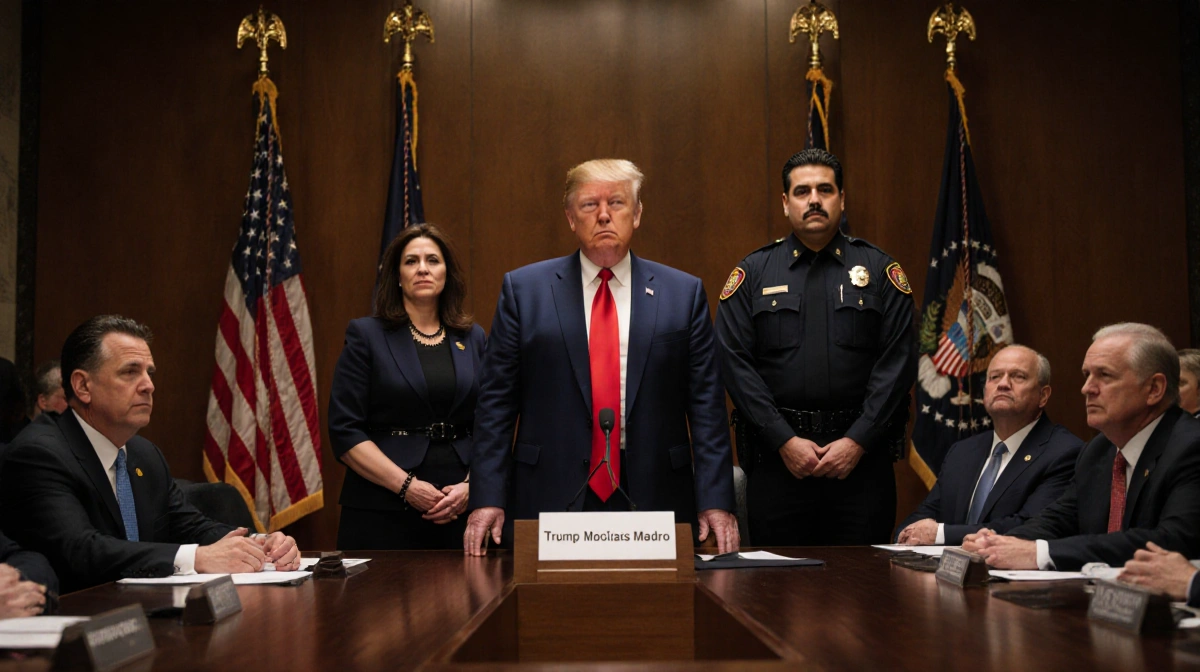
- Trump announced the arrest and extradition of Venezuelan President Nicolás Maduro and his wife in an overnight operation.
- Republicans praise the move; Democrats and moderate Republicans question its legality.
- Congress was not notified, sparking debate over presidential authority and congressional oversight.
- Why it matters: The action could set a precedent for U.S. intervention and raise constitutional questions.
In a dramatic overnight operation on Saturday, President Trump announced the arrest and extradition of Venezuelan President Nicolás Maduro and his wife, claiming U.S. oversight of Venezuela’s government and oil fields. The move has drawn applause from some Republican leaders but fierce criticism from Democrats and moderate Republicans, who question its legality and potential to spark wider conflict. Meanwhile, Congress claims it was not informed, raising questions about presidential powers and congressional authority.
Congressional Reactions
Rep. Marjorie Taylor Greene blasted the strike, arguing that if the goal is to target drug traffickers, the administration should also act against Mexican cartels, and accused Trump of seeking regime change for oil control.
Rep. Marjorie Taylor Greene said:
> “If it is truly about going after drug traffickers, then why hasn’t the Trump admin taken action against Mexican cartels?”
She added:
> “Americans are disgusted with our own government’s never-ending military aggression and support of foreign wars… This is what many in MAGA thought they voted to end. Boy were we wrong.”
Centrist Rep. Don Bacon praised the capture but warned it could embolden other nations, citing Russia and China.
Rep. Thomas Massie said the action contradicted the legal basis, noting the Attorney General’s tweet about the arrest for violating a 1934 gun law.
Sen. Tim Kaine called for congressional authorization and will vote next week on a bipartisan resolution to avoid war with Venezuela absent congressional authorization.
- Republicans applaud; Democrats criticize legality.
- Congress not notified, raising oversight concerns.
- Senators urge resolution for congressional approval.
Legal and Ethical Concerns
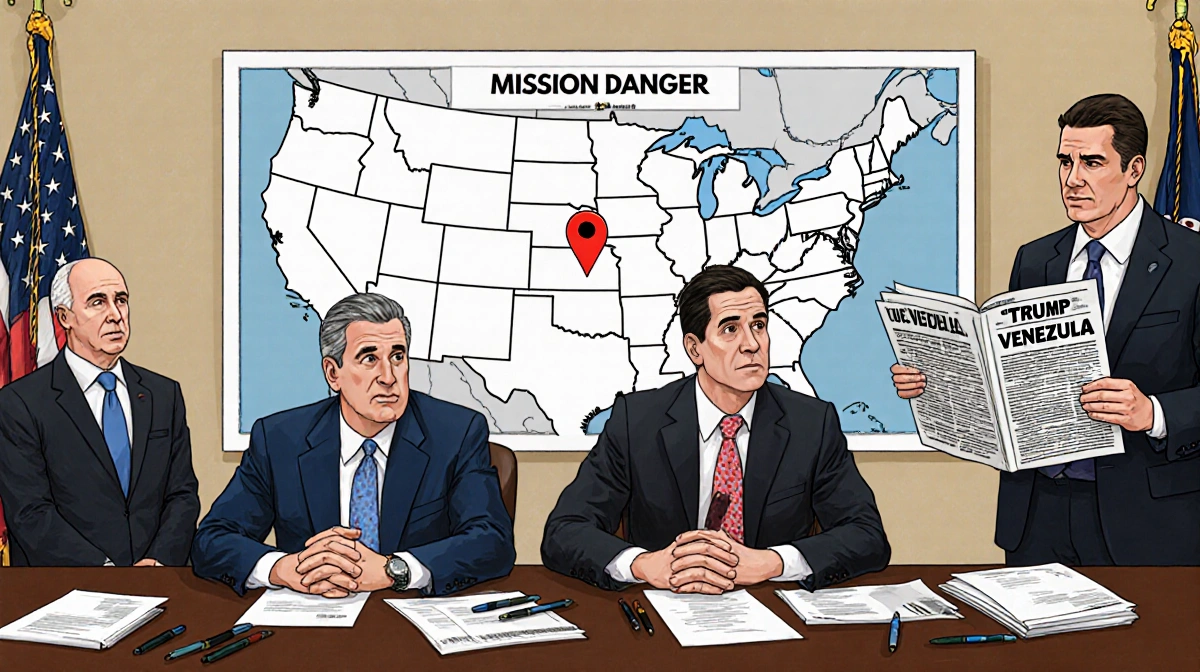
Senators Chuck Schumer and Hakeem Jeffries said the top eight were not notified. Secretary of State Marco Rubio defended the lack of pre-notification, citing mission danger.
Secretary of State Marco Rubio said:
> “We called members of Congress immediately after. This was not the kind of mission that you can do congressional notification on.”
President Trump said:
> “Congress has a tendency to leak. This would not have been good.”
Comparisons to the Iraq War were made by Jeffries, Schumer, and Brian Schatz, who warned against endless wars.
GOP Support and Bipartisan Views
GOP leaders Mike Johnson, John Thune, Lindsey Graham, and Mike Lee offered support. Johnson said the operation protects American lives. Thune said it disrupts the unacceptable status quo. Graham praised the end of narco-terrorism. Lee initially questioned constitutionality but later said it likely falls within Article II authority after a call from Rubio.
- Mike Johnson: “This operation protects American lives.”
- John Thune: “President Trump’s decisive action disrupts the unacceptable status quo.”
- Lindsey Graham: “Narco-terrorism drug caliphates in your backyard are over.”
- Mike Lee: “Likely falls within the president’s inherent authority under Article II.”
Key Takeaways
- Trump’s overnight arrest of Maduro raises constitutional questions.
- Congress was not notified, sparking debate over presidential authority.
- GOP leaders largely support the operation, while Democrats push for congressional approval.
The strike has ignited a sharp partisan divide over the limits of executive power and the need for congressional oversight.