
At a Glance
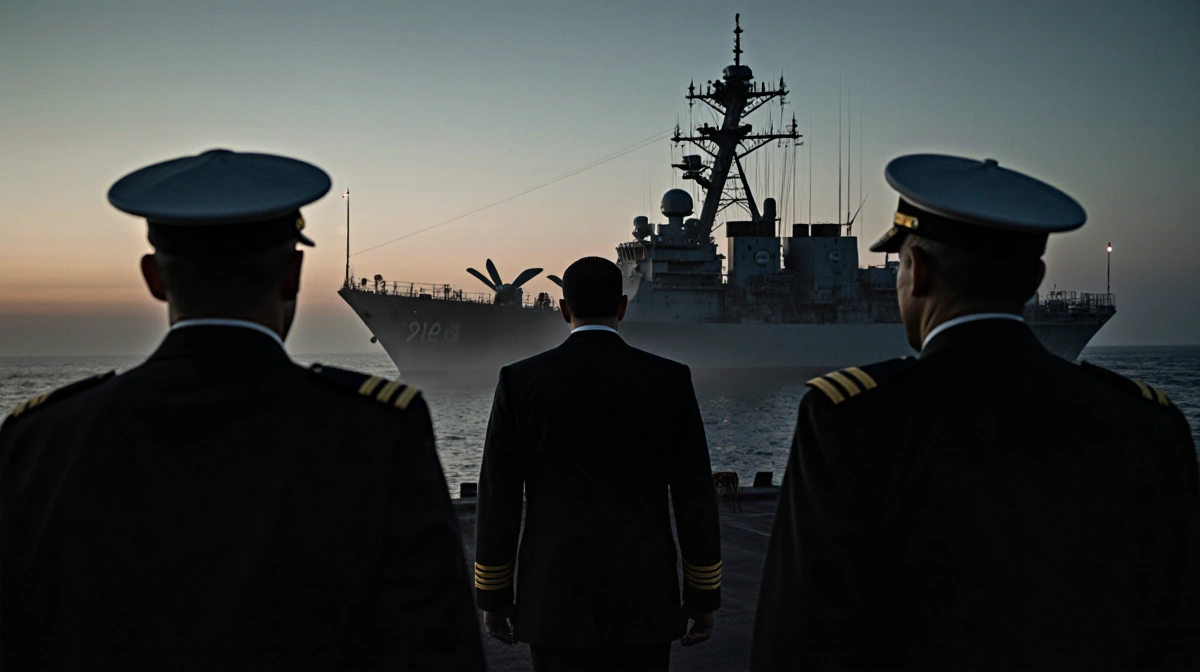
- The Trump administration seized Venezuelan President Nicolás Maduro in a midnight operation aboard a U.S. warship.
- 35 boat strikes against vessels, >115 casualties since September.
- Congress has not authorized any U.S. military action against Venezuela.
- Why it matters: The move raises legal questions and could set a precedent for future U.S. interventions.
In a dramatic midnight operation, the Trump administration seized Venezuelan President Nicolás Maduro aboard a U.S. warship, sparking a flurry of legal criticism and congressional debate over the legality of the move and the use of U.S. war powers.
Legal Challenges
Legal experts have called the seizure a blatant violation of international law. Jimmy Gurule of Notre Dame Law School called the action “a blatant, illegal and criminal act.” Former Navy attorney Mark Nevitt argued that the U.S. had no legal basis to take Maduro without an extradition treaty.
- Jimmy Gurule stated:
> “This is clearly a blatant, illegal and criminal act.”
- Mark Nevitt said:
> “I see no legal basis for us to go into another country and take a leader without an extradition treaty.”
- Michael Schmitt noted:
> “The entire operation – the boat strikes as well as the apprehension of Maduro – are a clear violation of international law.”
- Jimmy Gurule added:
> “Courts give great deference to the president on issues related to national security.”
> “But great deference does not mean absolute deference and unfettered authority to do anything.”
- 35 boat strikes against vessels
- >115 casualties since September
- Maduro’s arrest coincided with the 36th anniversary of Panama’s Manuel Noriega surrender.
Congressional Response
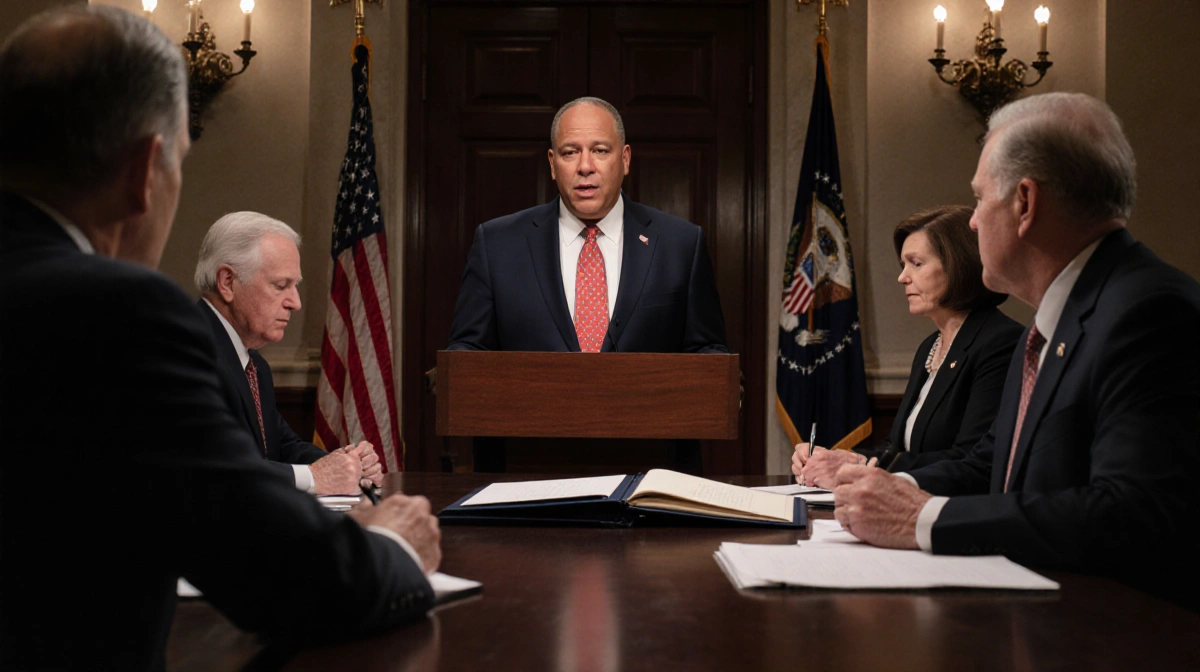
Congressional leaders have been briefed on the operation, and lawmakers are preparing to address the use of U.S. war powers. House Speaker Mike Johnson said the administration is scheduling briefings for lawmakers returning next week.
- Sen. Mark Warner warned:
> “Once this line is crossed, the rules that restrain global chaos begin to collapse, and authoritarian regimes will be the first to exploit it.”
> “America’s strength comes from our commitment to the rule of law, democratic norms, and constitutional restraint.”
> “When we abandon those principles, even in the name of confronting bad actors, we weaken our credibility, endanger global stability, and invite abuses of power that will long outlast any single presidency.”
- Senate Majority Leader John Thune said:
> “I am grateful for the armed forces who carried out this necessary action.”
- Secretary of State Marco Rubio explained:
> “Because of the nature of the surprise operation, it was not something that could be shared beforehand with the lawmakers.”
- Secretary of Defense Pete Hegseth discussed the mission that captured Maduro and his wife.
| Metric | Value |
|---|---|
| Boat strikes | 35 |
| Casualties | >115 |
Key Takeaways
- The seizure of Maduro raises significant legal questions under international law.
- Congress has not authorized U.S. military action against Venezuela, prompting a war powers debate.
- The operation could set a precedent for future U.S. interventions in sovereign nations.
The move underscores the tension between executive action and congressional oversight, with lawmakers scrambling to define the limits of U.S. war powers. Emily Carter Reynolds reported from Miami.