A new wave of U.S. sanctions targeting Venezuelan officials and oil operators has been announced by the Treasury on Thursday, as President Donald Trump seeks to increase pressure on the South American nation.
Sanctions Target Maduro’s Nephews and Oil Infrastructure
The Treasury’s Office of Foreign Assets Control listed three nephews of President Nicolás Maduro—Franqui Flores, Carlos Flores, and Efrain Campo—alongside Panamanian businessman Ramon Carretero, six firms, and six Venezuelan‑flagged ships. Carretero is accused of facilitating oil shipments for the Venezuelan government, and the Treasury notes that he has had business dealings with the Maduro‑Flores family, including partnerships in several companies.
The sanctions prohibit U.S. persons from providing any property or financial assets to the listed individuals and entities. They also bar U.S. companies and citizens from engaging in business with them, with banks and financial institutions facing sanctions or enforcement actions if they violate these restrictions.
Historical Context of the Family’s Legal Troubles
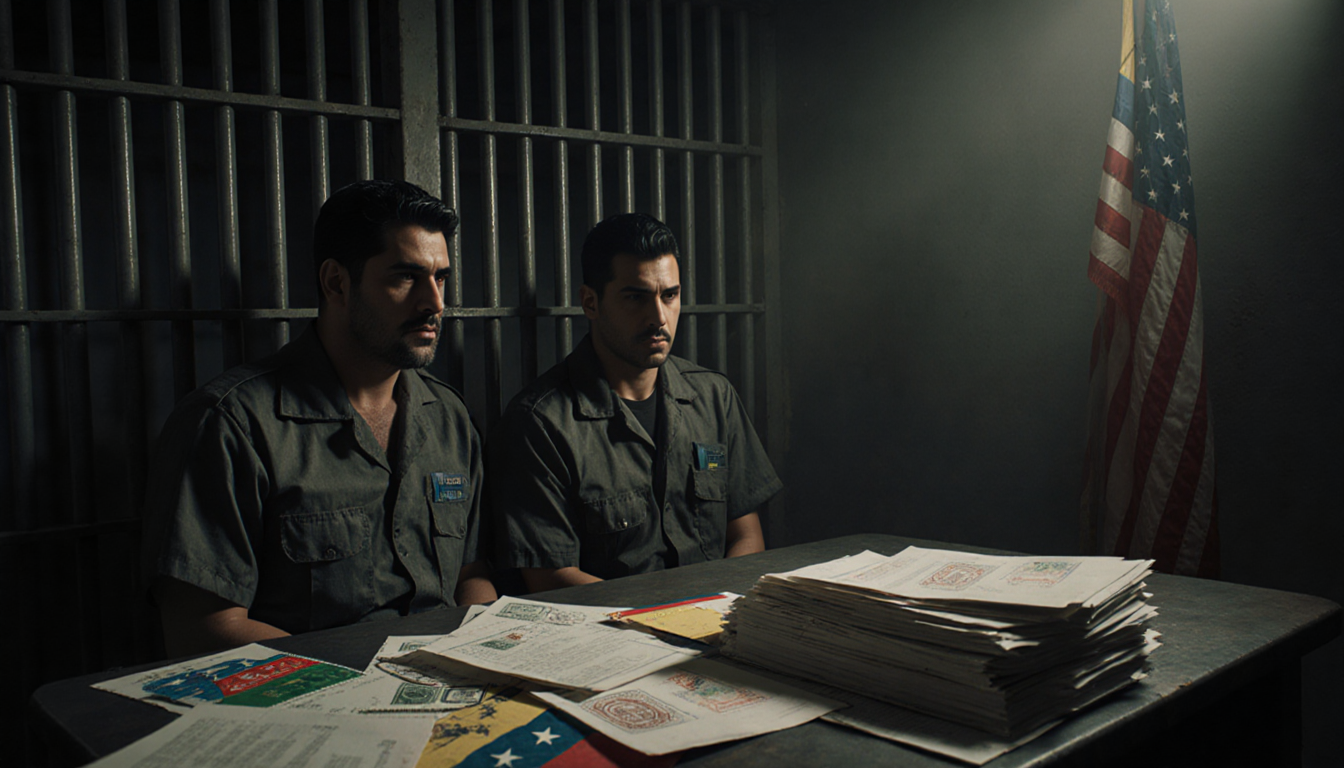
The move follows a history of legal and diplomatic exchanges involving the Flores and Campo family. In October 2022, Venezuela freed seven imprisoned Americans in exchange for the United States releasing Flores and Campo, who had been jailed for years on narcotics convictions. The pair were arrested in Haiti during a Drug Enforcement Administration sting in 2015 and convicted the following year in New York.
Carlos Flores had previously been sanctioned in July 2017 but was removed from Treasury’s list in 2022 during the Biden administration, an effort aimed at promoting negotiations for democratic elections in Venezuela.
U.S. Military Actions and Drug‑Smuggling Strikes
The sanctions come on the heels of a series of deadly strikes by U.S. forces on alleged drug‑smuggling boats in the Caribbean Sea and eastern Pacific Ocean. Since early September, these actions have killed at least 87 people. President Trump has defended the attacks as a necessary escalation to stem the flow of drugs into the United States and has declared that the U.S. is engaged in an “armed conflict” with drug cartels.
In a separate development, the U.S. military seized an oil tanker off the coast of Venezuela. President Trump told reporters that the seizure was part of the broader strategy, and video released by Pam Bondi showed the operation in detail.
Treasury Secretary’s Statement
Treasury Secretary Scott Bessent issued a statement that read: “Nicolas Maduro and his criminal associates in Venezuela are flooding the United States with drugs that are poisoning the American people.” He added, “Under President Trump’s leadership, Treasury is holding the regime and its circle of cronies and companies accountable for its continued crimes.”
Key Takeaways
- The Treasury has sanctioned Maduro’s nephews, a Panamanian businessman, six firms, and six Venezuelan‑flagged ships.
- Sanctions deny U.S. property and financial access and prohibit U.S. business dealings with the listed parties.
- The move follows a history of drug‑related convictions for Flores and Campo and a 2022 prisoner exchange.
- U.S. military actions against drug‑smuggling vessels have resulted in 87 deaths since September.
- President Trump and Treasury Secretary Bessent frame these measures as part of an “armed conflict” with drug cartels.
Closing
The latest sanctions, combined with military seizures and aggressive anti‑drug operations, underscore the U.S. administration’s intensified campaign against the Venezuelan government and its allies. The Treasury’s list, published Thursday, signals a continued focus on disrupting the financial and logistical networks that support the Maduro regime and its associated criminal enterprises.