

On Tuesday, the Trump administration announced a significant expansion of the U.S. travel ban, adding five new countries to the list of nations whose citizens are barred from entering the United States and imposing additional limits on others.
New Full Bans
The administration added Burkina Faso, Mali, Niger, South Sudan and Syria to the roster of countries whose nationals are now prohibited from traveling to the U.S. under the proclamation.
Each of these five nations was selected after a review that identified widespread corruption, fraudulent or unreliable civil documents, and criminal records that make it difficult for U.S. authorities to vet travelers.
Expanded Partial Restrictions
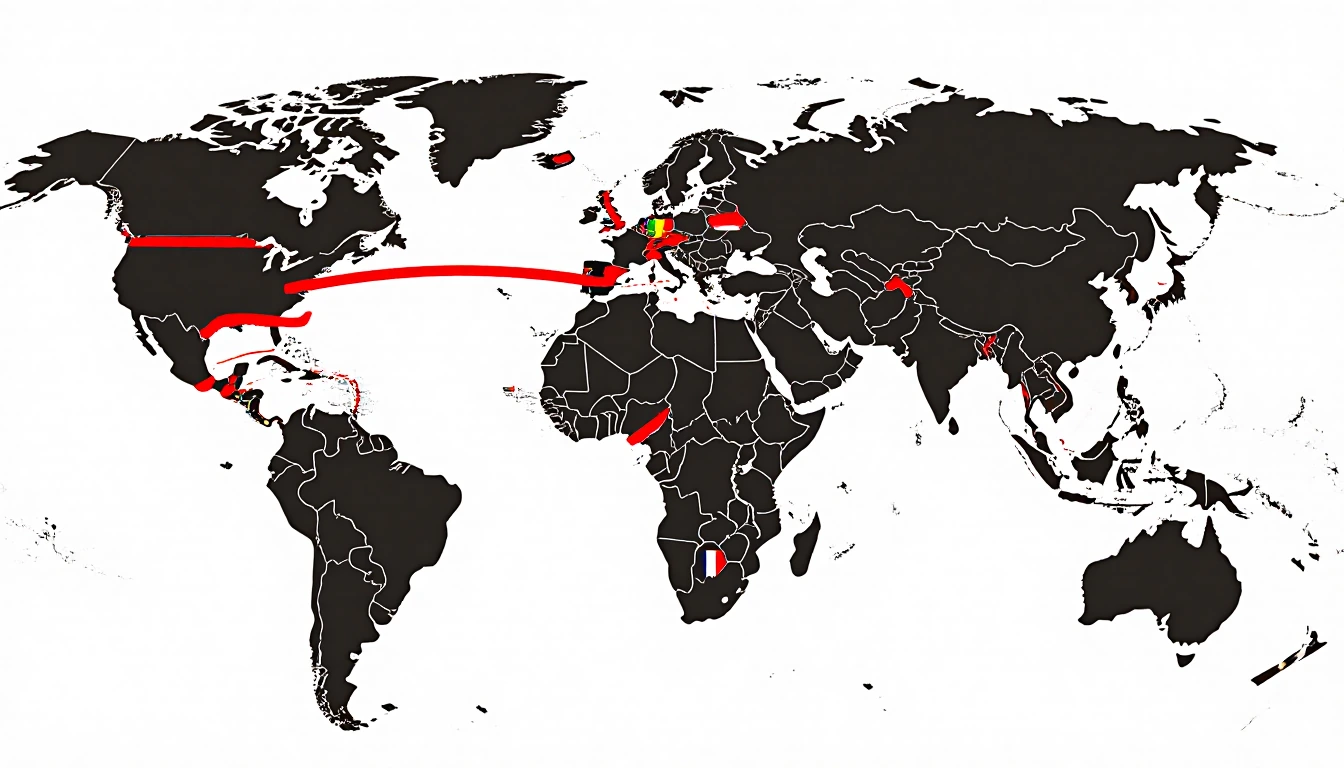
In addition to the full bans, the administration is extending partial restrictions to 15 other countries: Angola, Antigua and Barbuda, Benin, Côte d’Ivoire, Dominica, Gabon, Gambia, Malawi, Mauritania, Nigeria, Senegal, Tanzania, Tonga, Zambia and Zimbabwe.
Travelers from these countries will face heightened scrutiny, longer processing times, and stricter eligibility criteria before they can enter the United States.
Complete Restriction on Palestinian Authority Documents
The proclamation also declares that all travel documents issued by the Palestinian Authority are now subject to a full restriction, preventing holders from entering the U.S. under any circumstances.
Official Rationale
The White House cited several factors in its decision: widespread corruption, fraudulent or unreliable civil documents, and criminal records that hinder the ability to assess risk.
The administration also noted high rates of visa overstays, the refusal of some governments to return U.S. deportees, and a general lack of stability and government control in the affected nations.
White House Statement
“The restrictions and limitations imposed by the Proclamation are necessary to prevent the entry of foreign nationals about whom the United States lacks sufficient information to assess the risks they pose, garner cooperation from foreign governments, enforce our immigration laws, and advance other important foreign policy, national security, and counterterrorism objectives,” the proclamation states.
The statement underscores the administration’s focus on national security and immigration enforcement.
Historical Context of the Ban
The travel ban was first announced in June, when President Donald Trump said citizens of 12 countries would be barred from visiting the United States and those from seven others would face restrictions.
At that time the ban covered Afghanistan, Myanmar, Chad, the Republic of Congo, Equatorial Guinea, Eritrea, Haiti, Iran, Libya, Somalia, Sudan and Yemen, with heightened restrictions on visitors from Burundi, Cuba, Laos, Sierra Leone, Togo, Turkmenistan and Venezuela.
Recent Trigger Event
The expansion follows the arrest of an Afghan national who is a suspect in the shooting of two National Guard troops over Thanksgiving weekend.
The Afghan man has pleaded not guilty to murder and assault charges.
Legal and Political Implications
The move is part of ongoing efforts to tighten U.S. entry standards for travel and immigration, and it revives a hallmark policy of the Trump administration’s first term.
The travel ban was signed into law by President Trump late Wednesday, banning nationals from 12 countries from traveling to the United States and imposing a partial ban on 7.
Impact on International Relations
The ban has drawn criticism from several governments that see it as a violation of international norms and a threat to diplomatic relations.
Some countries have called for dialogue to address the concerns raised by the U.S. regarding document fraud and overstays.
Enforcement Measures
U.S. Customs and Border Protection will be responsible for implementing the new restrictions, including enhanced screening and background checks.
The Department of Homeland Security will coordinate with foreign governments to improve information sharing and cooperation.
Key Takeaways
- Five new countries are now fully banned from entering the U.S.
- 15 additional countries face partial restrictions.
- Palestinian Authority travel documents are now fully restricted.
- The ban was prompted by an Afghan suspect in a recent shooting incident.
- The proclamation cites corruption, document fraud, overstays, and lack of stability as key reasons.
Closing
The expanded travel ban represents a significant tightening of U.S. entry standards, reflecting the administration’s focus on national security and immigration enforcement. The policy will take effect immediately and will be monitored closely by U.S. authorities.