
At a Glance
- Three people aged 60-84 died while shoveling snow in Lehigh County on January 26.
- All deaths were ruled natural causes, likely sudden cardiac events.
- The coroner issued a safety advisory urging breaks, hydration, and assistance.
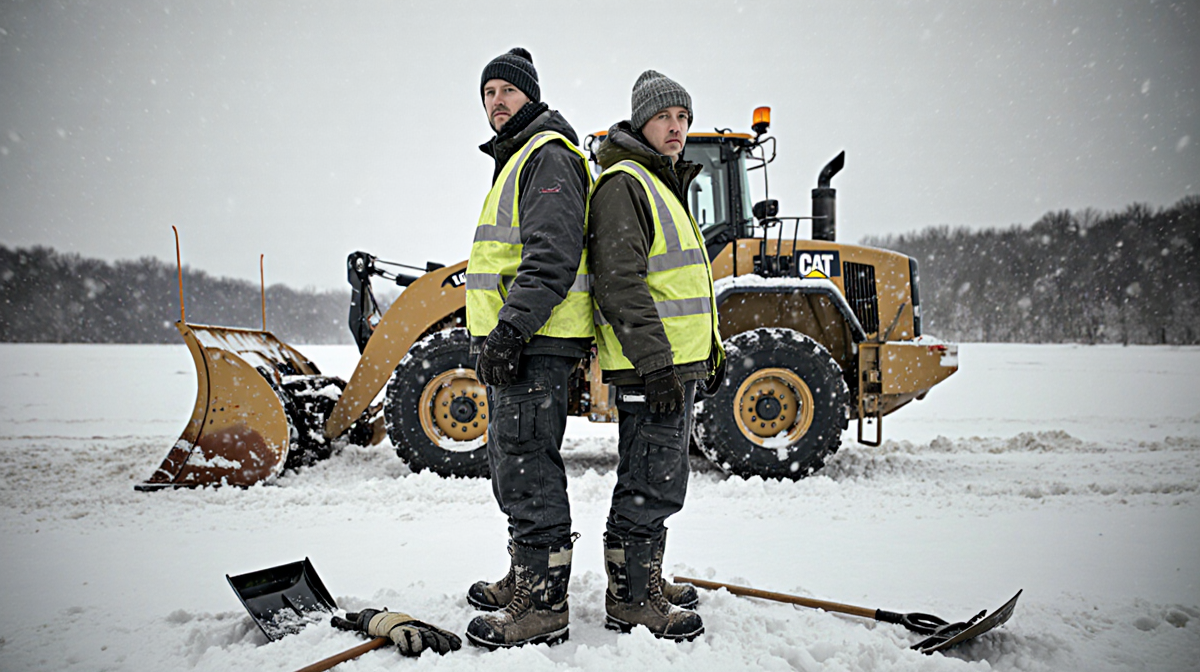
The snowstorm that struck Lehigh County on Sunday, January 26, prompted residents to clear driveways and sidewalks. Three older adults-aged between 60 and 84-experienced medical emergencies while shoveling and subsequently died. The Lehigh County Coroner’s Office confirmed the deaths were natural and urged the public to exercise caution during snow removal.
Coroner’s Findings
Lehigh County Coroner Daniel Buglio released a press statement that day. He noted the victims were shoveling or cleaning up snow during the winter storm. Buglio did not disclose their identities, citing respect for families. All three deaths were attributed to natural causes, suggesting sudden cardiac events.
Buglio highlighted that these incidents align with sudden medical events that can arise during strenuous activity, especially among older adults or those with underlying health conditions. He emphasized that the coroner’s office will continue to investigate such cases.
Medical Context
Sudden cardiac events are common triggers during intense physical exertion. When the body is under stress-such as lifting heavy snow-the heart may struggle to supply adequate oxygen. Older adults are particularly vulnerable due to potential underlying heart disease or other health concerns.
The coroner’s statement explicitly linked the deaths to sudden medical events, often cardiac-related. While no autopsy details were released, the classification of natural causes points to an abrupt internal event rather than external injury.
Safety Advice
In his advisory, Buglio offered practical guidance for anyone who must shovel snow:
- Use caution when lifting or pushing heavy loads.
- Take frequent breaks to allow the heart to recover.
- Stay hydrated to maintain blood volume and circulation.
- Avoid overexertion by pacing yourself and using proper technique.
- Seek assistance if you have a history of heart disease or other medical concerns.
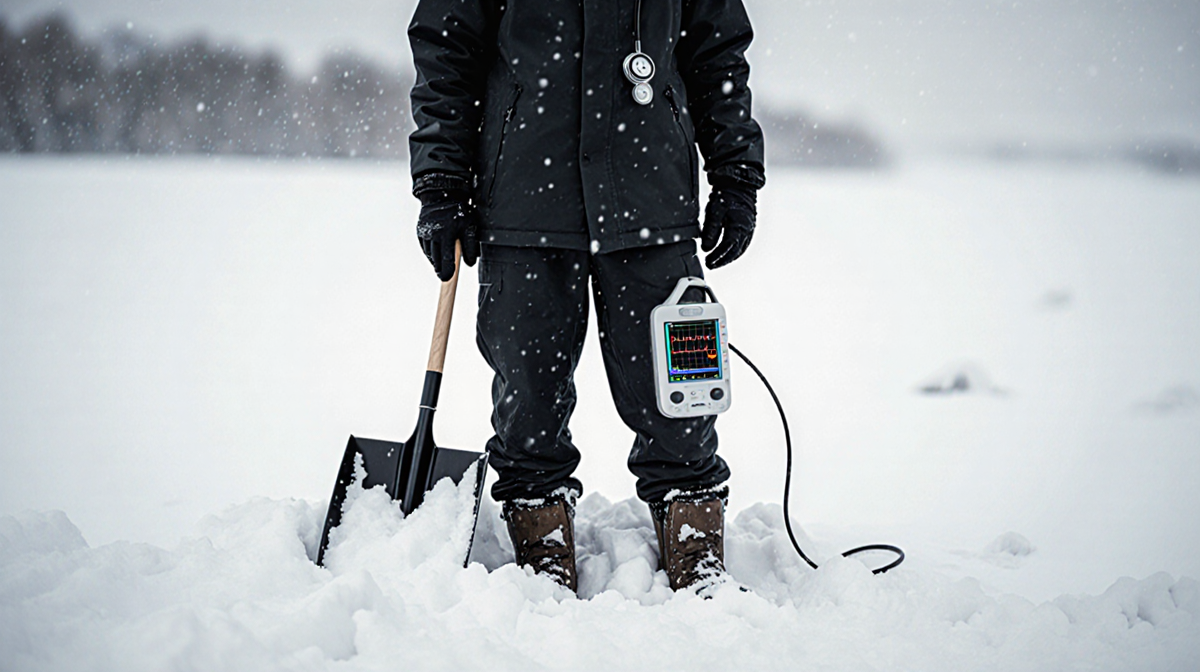
These recommendations aim to reduce the risk of sudden cardiac events during snow removal. By following them, residents can protect themselves and their neighbors from similar tragedies.
Community Impact
The deaths occurred in a region that had experienced significant snowfall. Residents in Lehigh County were already dealing with road closures and power outages. The coroner’s announcement added a sobering reminder of the physical toll winter storms can take on older adults.
Local emergency services responded promptly to the incidents, but the rapid onset of medical emergencies made it difficult to intervene in time. The community has called for increased public awareness about safe snow removal practices.
Timeline of Events
| Date | Event |
|---|---|
| Sunday, Jan. 26 | Snowstorm hits Lehigh County; residents begin shoveling. |
| Sunday, Jan. 26 | Three individuals suffer medical emergencies while clearing snow. |
| Sunday, Jan. 26 | Coroner’s Office releases press statement confirming deaths. |
Coroner’s Office Role
The coroner’s office is tasked with investigating all deaths within Lehigh County. It examines circumstances, determines cause of death, and provides guidance to prevent future incidents. The office will release further details as the investigation proceeds.
Public Safety Measures
The coroner’s advisory is part of a broader public safety effort during winter storms. It encourages residents to assess their physical limits and seek professional help when needed. The message underscores that prevention is often the best remedy.
Preventive Measures for Snow Removal
Residents can adopt several preventive habits:
- Plan shoveling sessions during daylight to reduce fatigue.
- Use ergonomic shovels that minimize back strain.
- Keep a water bottle nearby and sip regularly.
- If possible, enlist a neighbor or family member to share the load.
These simple steps can dramatically lower the chance of sudden cardiac events.
Community Response
Local officials and emergency responders expressed concern over the rapid nature of the incidents. Community groups urged snow-removal workshops and shared resources to educate residents on safe practices. The loss has spurred dialogue about caring for seniors during harsh weather.
Call to Action
Residents are encouraged to review the safety checklist before shoveling. If you have a heart condition, consider hiring a professional or asking a friend for help. Sharing this information can save lives.
Final Thoughts
The January 26 storm highlighted the hidden dangers of winter weather for older adults. By combining caution, breaks, hydration, and assistance, communities can mitigate the risk of sudden cardiac events. Vigilance and preparation are key.
Resources
The coroner’s office will provide updates as the investigation concludes. For more information on heart health during winter storms, consult local health departments or the American Heart Association’s guidelines on safe exercise.