At a Glance
- Tesla has started driverless robotaxi rides in Austin without a safety driver.
- The rides are now being charged, a first for the company.
- Elon Musk announced the launch on X and is recruiting engineers for AI work.
Why it matters: The shift to fully autonomous rides and a paid model could accelerate the commercial viability of self-driving taxis and signal a new revenue approach for autonomous mobility.
Introduction
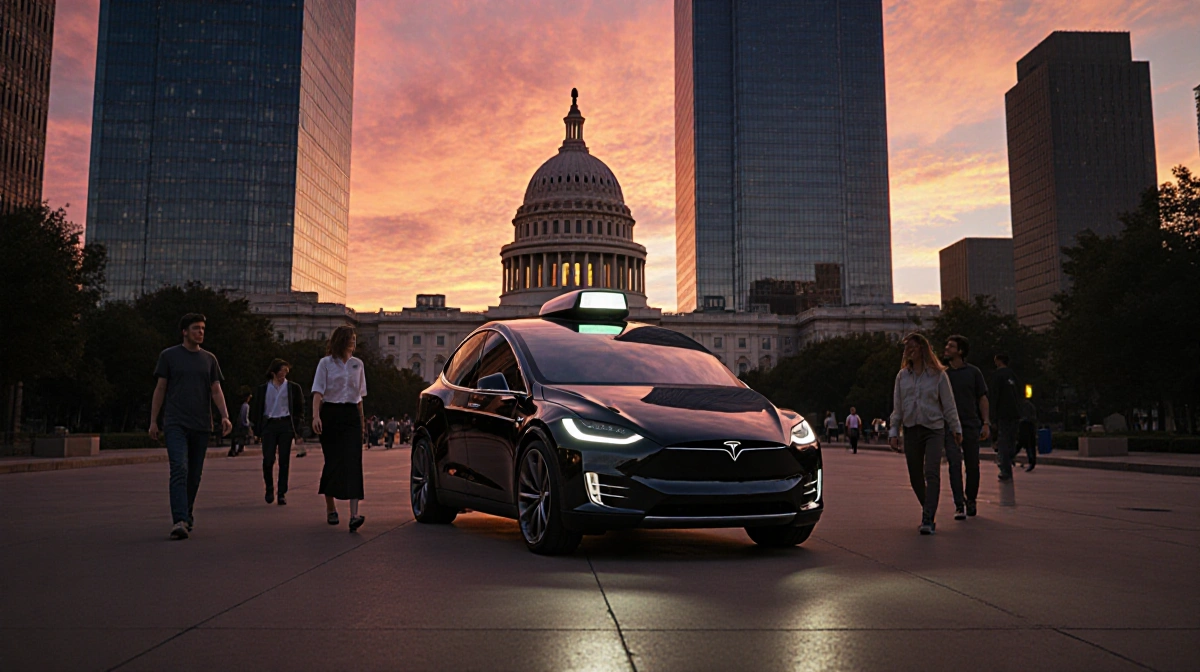
Tesla has begun offering fully driverless robotaxi rides in Austin, Texas, eliminating the safety driver in the front seat and charging passengers for the service. The move, announced by CEO Elon Musk on X, also comes with a call for engineers to help develop the AI that could lead to AGI. The company’s new deployment marks a significant shift from its earlier limited trials that relied on safety operators.
Background
Tesla first launched its robotaxi service in Austin last June 2025, deploying a small fleet that required a safety operator in the front passenger seat. The initial rides were offered to influencers and a handpicked group of customers, allowing the company to gather early data on the system’s performance.
| Date | Milestone |
|---|---|
| June 2025 | Tesla launches limited robotaxi deployment in Austin with safety operators. |
| December 2025 | Tesla begins testing vehicles without safety drivers, keeping a human ready to take over. |
| January 2026 | Tesla starts charging for driverless rides in Austin, removes safety driver in front seat. |
Current Deployment
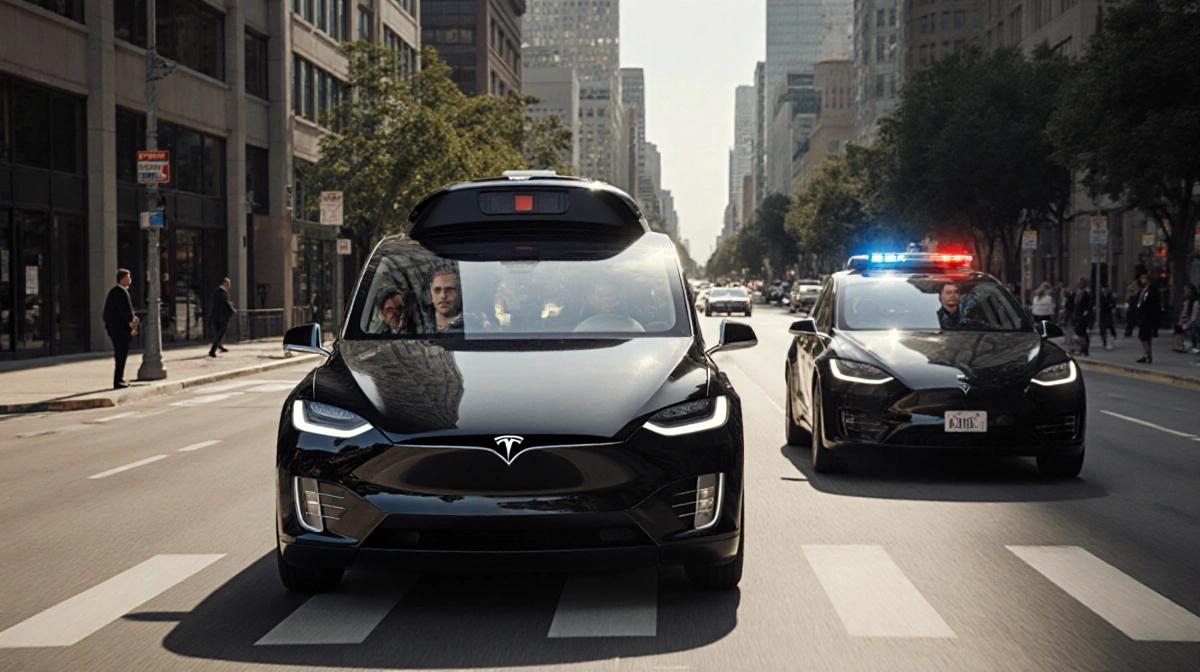
In December 2025, Tesla expanded testing to include vehicles without a safety driver, keeping a human ready to take over if needed. By January 2026, the company began offering rides to the public, now charging for the service and including a chase car that follows the driverless vehicles.
Key changes in the new deployment:
- No safety driver in the front seat.
- Rides are paid.
- A chase car follows each vehicle.
Tesla’s Approach
Tesla’s AI lead Ashok Elluswamy said the company will start with a few unsupervised vehicles mixed in with the broader fleet that still carries safety monitors. Over time, the ratio of fully autonomous cars will increase.
Recruitment pitch from Musk:
- Engineers needed to solve real-world AI.
- Project likely to lead to AGI.
Rival Comparison
Unlike Tesla, competitors such as Zoox and Waymo did not immediately charge for driverless rides during their initial deployments.
Safety Protocols
Tesla’s removal of the safety driver in the front seat marks a significant change in its safety protocol. The company keeps a human ready to take over if needed, as noted in December testing. The presence of a chase car following each driverless vehicle adds an extra layer of oversight.
Technology Overview
Tesla’s robotaxi fleet is powered by AI that interprets sensor data to navigate streets. The vehicles are designed to operate without a human driver, relying on software to make split-second decisions. This approach builds on the company’s experience with autonomous features in its passenger cars.
Operational Model
Tesla’s operational model for the Austin robotaxi service involves a mix of supervised and unsupervised vehicles. Initially, safety monitors remain on a portion of the fleet, while a small number of cars run without a human in the front seat. Over time, the ratio of unsupervised vehicles will grow.
Passenger Experience
Passengers who use Tesla’s robotaxi service in Austin report that rides are paid and that a chase car follows each vehicle. The absence of a safety driver may change the in-car experience, but the company has not detailed how passengers will interact with the AI system during a trip.
Regulatory Landscape
The introduction of driverless rides in Austin raises regulatory questions about safety oversight. Tesla’s approach of keeping a human ready to take over and deploying a chase car suggests the company is addressing potential concerns. The company’s public charging of rides may prompt regulators to examine commercial autonomous vehicle models.
Economic Implications
Charging for robotaxi rides introduces a new revenue stream for Tesla. The company’s shift from a free pilot to a paid service indicates a focus on monetization. This model could influence how other autonomous vehicle operators structure pricing and cost recovery.
Future Outlook
Tesla plans to increase the number of unsupervised vehicles over time, according to Ashok Elluswamy. The company’s public charging of rides may serve as a test for broader commercial deployment. The next phases will likely focus on expanding coverage and refining safety protocols.
Conclusion
Tesla’s driverless robotaxi rollout in Austin marks a milestone in autonomous transportation. By charging passengers and removing safety drivers, the company is testing a commercial model that could shape the future of shared mobility. Observers will watch how the approach scales and meets regulatory expectations.
Additional Note
News Of Philadelphia has attempted to reach out to Tesla for clarification, and the article has been updated to reflect new information, including that Tesla is charging for rides.