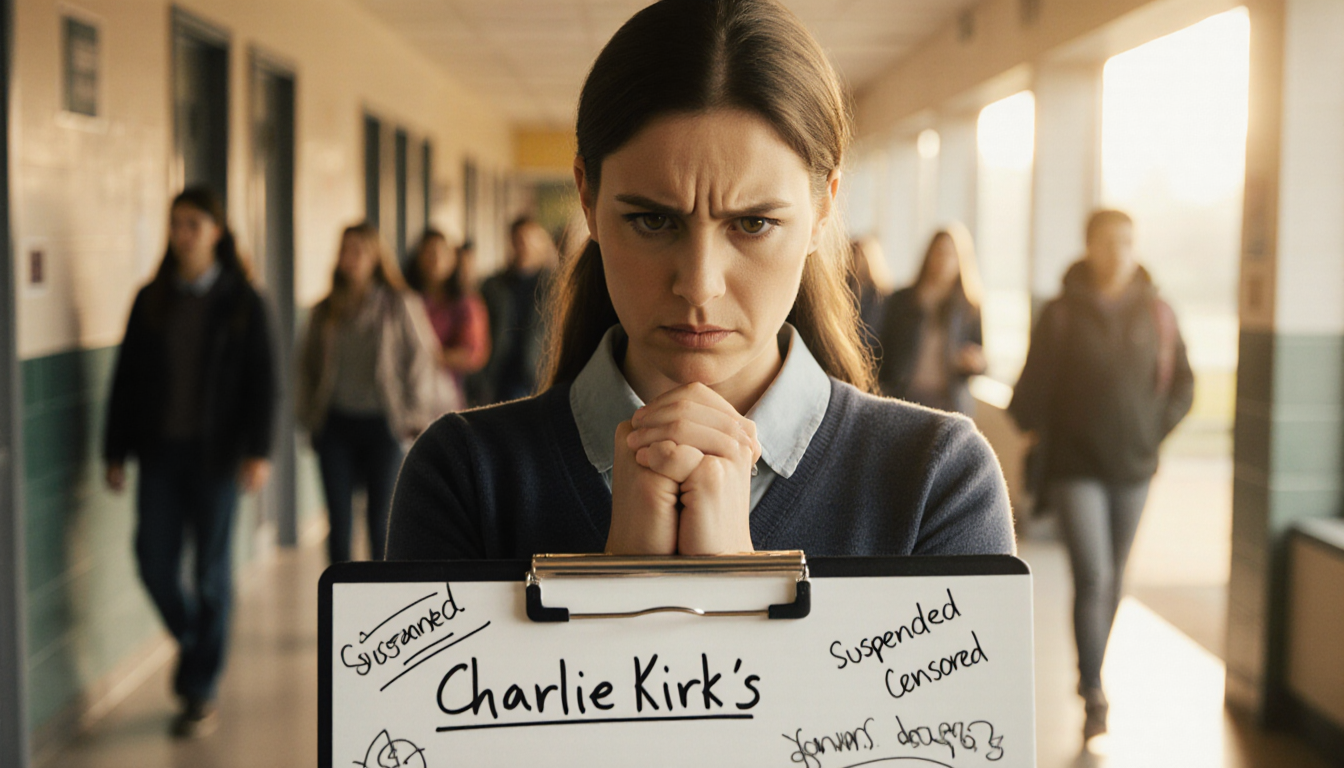
A California English teacher has filed a federal lawsuit against her school district after it amplified her Facebook criticism of right‑wing activist Charlie Kirk.
The Incident
- On the day after Kirk was assassinated, McKagan posted on her private Facebook that Kirk was a “propaganda‑spewing racist misogynist” and that he “got what he deserved.”
- The post was visible for about four hours before she deleted it at the urging of a principal.
School District Response
- Two days later, McKagan was suspended.
- The district issued a statement condemning her remarks as “vile and completely inappropriate,” and said she was placed on immediate leave pending investigation.
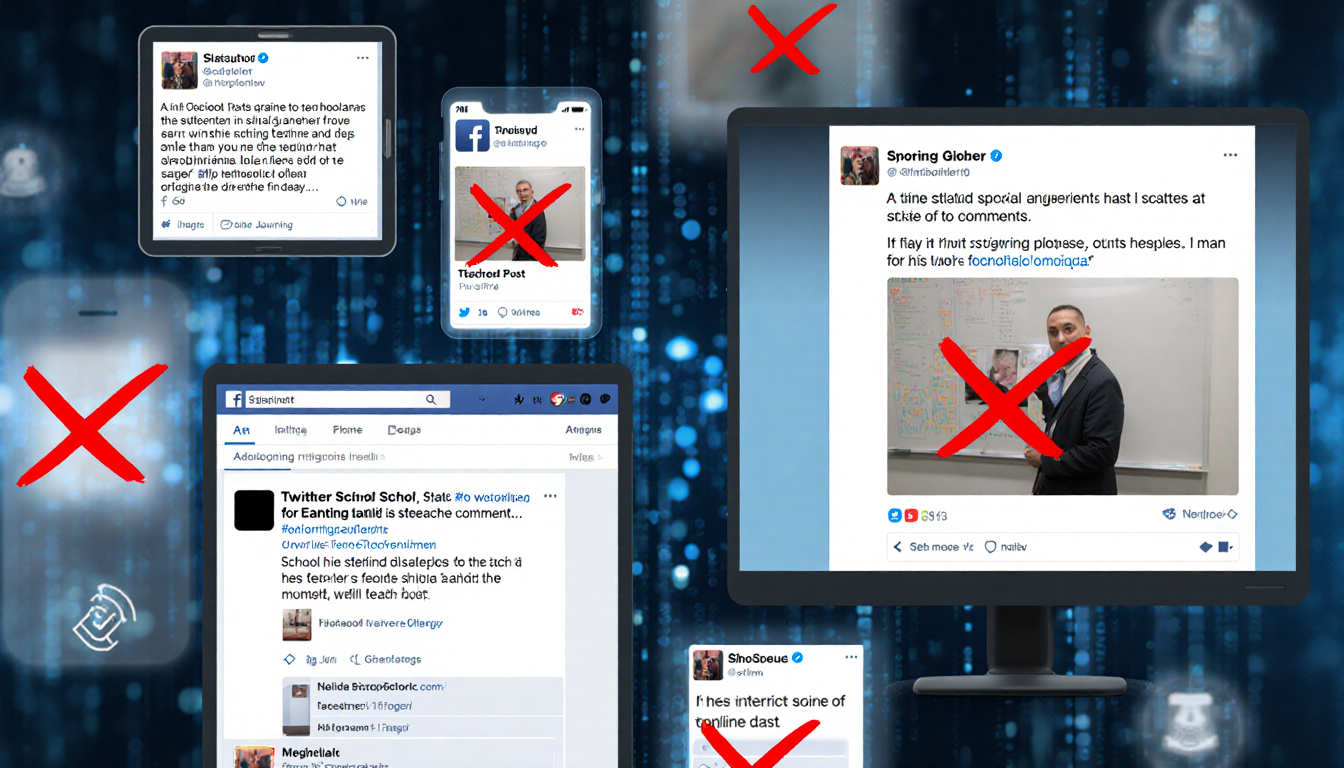
- Board president Dallas Lawrence and other trustees reposted the statement on social media and encouraged sharing.
- City council members from Calabasas also reposted, widening reach.
- The statement did not name her but was clearly about her; community members identified her by name and school.
- Screenshots of her deleted post and photo circulated; a local newspaper named her.
- She received a threatening call, stayed home, tried to scrub her online presence, and asked her union to remove identifying information; the district refused.
Legal Claims
- McKagan alleges the district amplified her post and failed to protect her from threats, violating her First Amendment rights.
- The lawsuit names the Las Virgenes Unified School District, Superintendent Daniel Stepenosky, Dallas Lawrence, four other trustees, and 50 John Does.
- After legal intervention, she was allowed to return to work on Nov. 10 and has not received threats recently.
- Lawyer David Ratner said she is distressed that the board exhibited disregard for her free‑speech rights for political purposes.
Key Takeaways
- Teacher sues district over amplified criticism of Charlie Kirk and alleged free‑speech violations.
- District posted statement, suspended teacher, and reposted on social media.
- Teacher returned to work after legal intervention; lawsuit seeks unspecified damages.
The case highlights tensions between school officials’ handling of social‑media posts and teachers’ First Amendment rights.