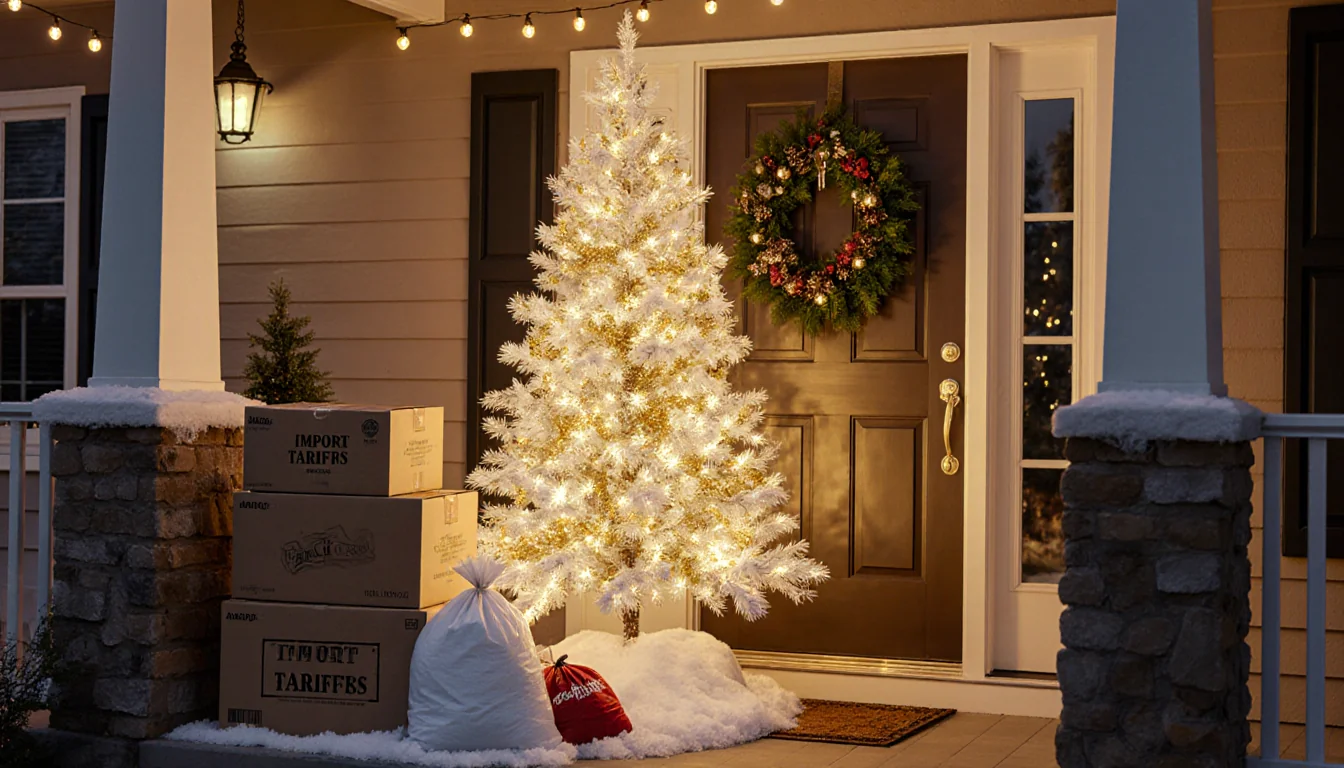

A recent wave of import tariffs has pushed the price of fake Christmas trees up by 10% to 15%, according to the American Christmas Tree Association. The new taxes have forced sellers to cut orders and pay higher fees for the stock they bring in.
Tariff Impact on U.S. Fake Tree Market
The tariff hike has made it more expensive to import trees from overseas. Tree sellers have responded by reducing their orders and absorbing higher costs. Chris Butler, CEO of National Tree Co., which sells more than 1 million artificial trees each year, said that American consumers are very price‑sensitive. ‘Putting a Made in the U.S.A. sticker on the box won’t do any good if it’s twice as expensive,’ Butler said. ‘If it’s 20% more expensive, it won’t sell.’
Production Shift and Labor
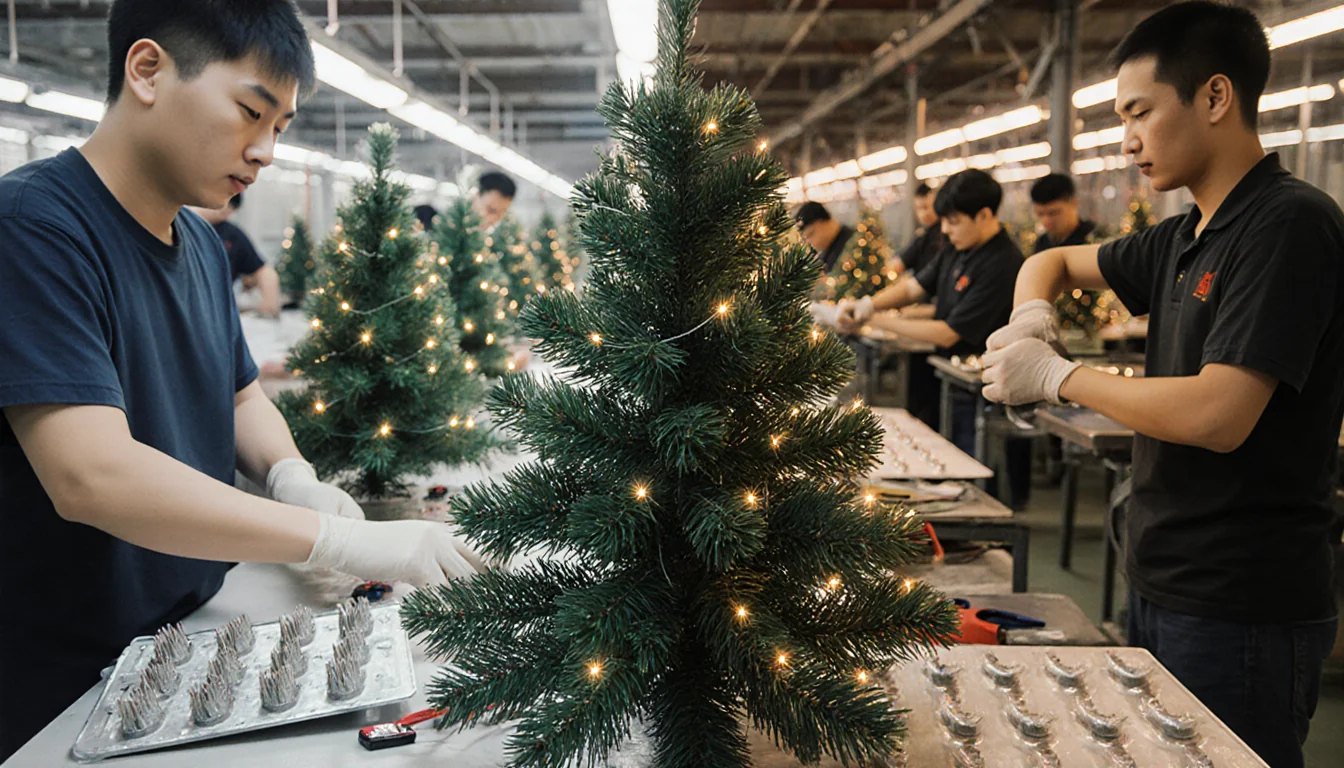
Only about 10,000 fake trees are made in the United States each year, a fraction of the 90% produced in China. The labor involved is intensive: from molding needles to wiring lights it takes an hour or two to assemble a tree, Butler noted. Workers in China earn between $1.50 and $2 per hour. Mac Harman, founder and CEO of Balsam Brands, highlighted the speed of Chinese workers, saying they wrap lights like watching an Olympian. Balsam’s partners employ 15,000 to 20,000 people in China and up to 10,000 in Indonesia, many of whom are seasonal.
Company Responses to Tariffs
Lee Display, a Fairfield, California firm that makes custom displays and sells directly to consumers, employs three or four people most of the year. Latino, its CEO, said he prefers the quick turnaround of domestic production. He said, ‘You have more control over it. I like to think that everything here is either my fault or my mistake or my careful planning and skill.’ His son James, who leads business development, noted that the company did not import lights or decorations from China this year and will need to pay more to bring them in next year.
National Tree Co. has moved some manufacturing to Cambodia and could source all its trees outside China by next year, Butler said. Tariffs on Cambodian products were threatened at 49% in April but were later lowered to 19%. The average tariff on Chinese artificial trees is now about 20%, the American Christmas Tree Association reports. The company imported fewer trees this year and raised prices by 10%, using the extra revenue to offer discounts amid weak demand.
Balsam Brands has cut its workforce by 10%, canceled travel, froze raises, and stopped weekly office lunches to absorb tariff costs, Harman said. Tree prices rose by 10%. Sales in the United States fell 5% to 10% this year, while sales abroad grew 10% or more in Germany, Australia, Canada and France. Harman said, ‘If a merry Christmas is measured in how many decorations people put up, by that measure it’s going to be a slightly less merry Christmas.’
Key Takeaways
- Fake Christmas trees now cost 10%‑15% more due to tariffs.
- U.S. production remains a small share; most trees are made abroad.
- Companies are diversifying suppliers and adjusting prices to cope with higher import fees.
The tariffs have reshaped the fake tree industry, forcing makers to rethink production locations, labor costs, and pricing strategies while American consumers remain highly price‑sensitive.