

At a Glance
- Supreme Court will decide on Trump’s birthright citizenship plan, tariffs, and Fed board firing in early 2026.
- The court’s 6-3 conservative majority has delayed rulings, potentially setting up major defeats for the president.
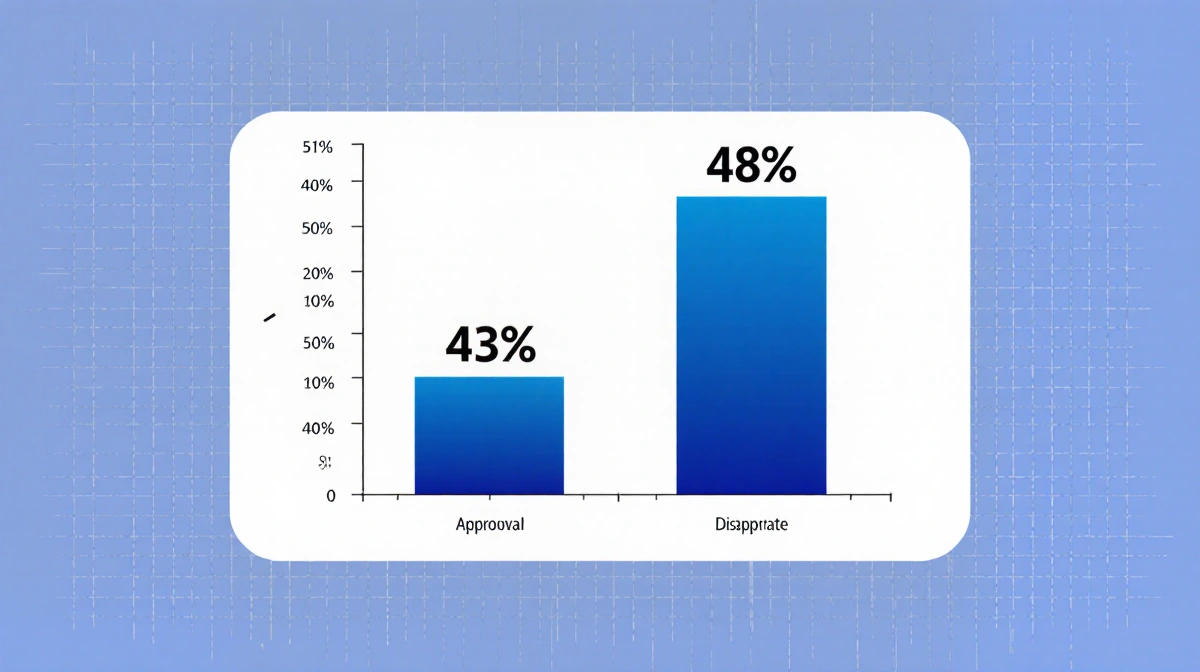
- Trump’s approval ratings slipped, with only 42% approval in December 2025.
- Why it matters: The timing of these rulings could reshape Trump’s policy agenda and signal a turning point in his presidency.
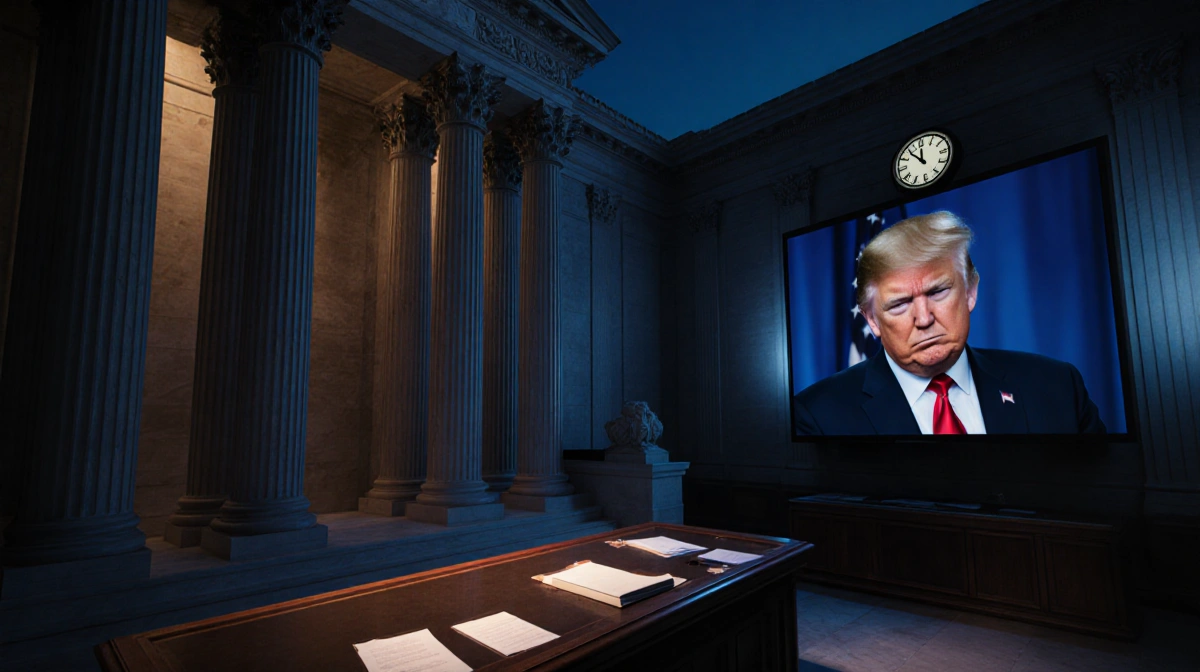
In 2026, the Supreme Court is poised to deliver decisive rulings on three of President Donald Trump’s most controversial proposals: a plan to end automatic birthright citizenship, sweeping tariffs, and the removal of a Federal Reserve board member. The court’s deliberate timing, coupled with a waning approval rating for Trump, hints at a potential shift in the balance of power between the White House and the judiciary.
Court’s Delayed Decisions Signal Potential Defeats
The court’s 6-3 conservative majority has largely avoided direct confrontations with Trump in 2025 while granting him wins, but it postponed rulings on the birthright citizenship plan, tariffs, and the Fed board firing until this year. Experts say the court’s strategy is to wait until a president’s popularity dips before delivering major legal losses.
Richard Pildes stated:
> The court is not confronting the president head-on until spring this year. That’s very different in terms of his political strength.
- Birthright citizenship plan: court postponed ruling to 2026.
- Tariffs: court delayed decision until 2026.
- Fed board firing: court left lower court ruling in place, scheduled oral arguments Jan. 21, 2026.
Trump’s Approval Ratings Wane
Trump entered his second term with positive polling, but a December NBC News Decision Desk Poll showed 42% approval and 58% disapproval, a slight drop from April.
Barbara Perry remarked:
> I’m not making the argument that if they see the president as very popular, they won’t rule against him or his policies, but you could say sometimes maybe the opposite is true. It would always be easier perhaps for them as human beings, but also in thinking about the legitimacy of the court, that they are on thicker ice if they are ruling against a president if they know he’s unpopular.
Historical Context of Court vs Presidents
Courts have often hesitated to rule against presidents early in a term. Past examples include the 1952 ruling against Harry Truman’s steel seizure, the 1974 decision that forced Richard Nixon to release Watergate tapes, and 2000s defeats of George W. Bush and Barack Obama on detention and immigration policies.
Jack Goldsmith wrote:
> the Court has acted, as it generally has through its history, to maximize its authority in the face of the reality that it lacks sword or purse.
2025 Court Rulings and Delays
In spring 2025, Trump asked the justices to block lower court rulings on birthright citizenship, a request that led to a June ruling allowing a victory lap but not a definitive constitutional decision. The court also turned away a request from companies challenging Trump’s tariffs, hearing arguments in November with a ruling expected early this year. For the Fed board firing, the court agreed to hear oral arguments on Jan. 21, 2026, without granting Trump immediate removal authority.
Daniel Epps noted:
> Kicking the can down the road, I think, is helpful to the court and probably helpful to people that are hopeful that the court rules against Trump.
Key Takeaways
- Supreme Court set to rule on Trump’s key policy proposals in early 2026.
- Trump’s approval ratings have slipped, potentially influencing the court’s timing.
- The court’s delays reflect a historical pattern of waiting for a president’s popularity to wane before delivering major defeats.
The upcoming rulings will test the limits of Trump’s executive power and may mark a turning point in the president’s second term.