

Sunday marks the darkest day of the year in the Northern Hemisphere, a moment that signals the start of astronomical winter.
The Solstice
A solstice occurs when the Earth’s axis is tilted most toward or away from the sun. The tilt causes the sun’s path in the sky to reach its highest or lowest point, which changes the length of daylight. This year’s winter solstice falls on December 21, the day when the sun follows its shortest, lowest arc across the sky.
Winter Solstice Details
During the Northern Hemisphere’s winter solstice, the upper half of the Earth leans furthest from the sun. This results in the shortest day and longest night of the year. The event can occur between December 20 and 23, and this year it was on the 21st. After this point, the sun begins to climb higher, and days gradually lengthen until late June.
Summer Solstice Details
The opposite happens at the Northern Hemisphere’s summer solstice. The upper half of the Earth leans toward the sun, creating the longest day and shortest night. This solstice falls between June 20 and 22. After the summer solstice, the sun’s path starts to descend, and daylight hours gradually shorten.
The Equinox
An equinox happens when the Earth’s axis and its orbit align so that both hemispheres receive roughly equal amounts of sunlight. The word equinox comes from Latin roots meaning “equal” and “night.” On an equinox, day and night last almost the same length, though a few minutes can vary by location.
Equinox Dates
- Northern Hemisphere fall (autumnal) equinox: September 21‑24
- Northern Hemisphere spring (vernal) equinox: March 19‑21
These dates mark the transition points between seasons, where the sun sits directly over the equator.
Meteorological vs Astronomical Seasons
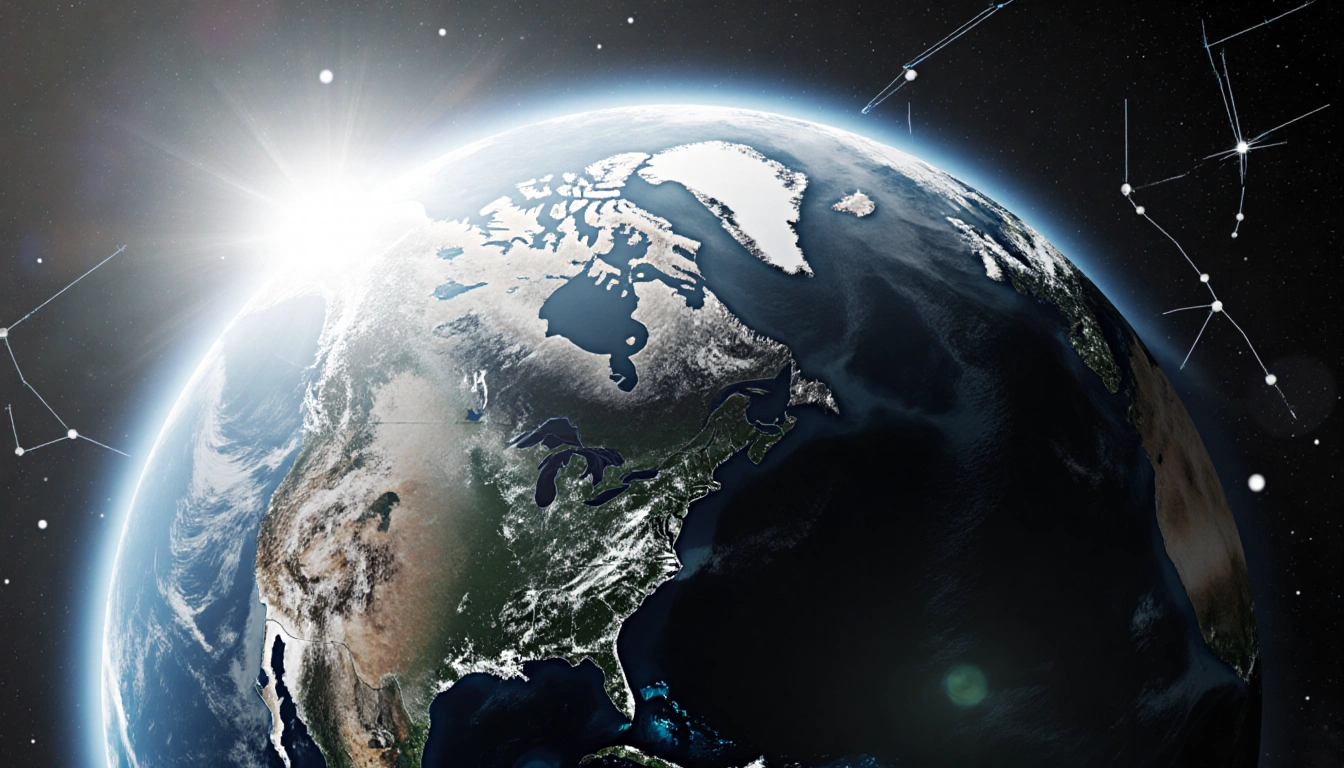
Astronomical seasons are defined by the Earth’s position relative to the sun. Meteorological seasons, on the other hand, are based on weather patterns and are split into three‑month blocks: spring starts on March 1, summer on June 1, fall on September 1, and winter on December 1. This calendar is used by meteorologists to analyze temperature cycles.
Earth’s Tilt and the Sun’s Path
The Earth travels around the sun at an angle, which means the sun’s warmth and light fall unevenly on the planet’s northern and southern halves for most of the year. The tilt causes the sun’s daily path to vary from high to low, creating the seasonal differences in daylight.
Impact on Day Length
Because of the tilt, the amount of daylight changes dramatically. In the winter, the sun’s arc is low, resulting in brief daylight hours. In the summer, the sun’s arc is high, giving longer days. Between solstices, the length of daylight changes gradually, providing a measurable progression toward the next seasonal milestone.
Cultural Significance
Humans have celebrated solstices and equinoxes for thousands of years. Ancient monuments, such as Stonehenge in Britain, were built to align with the sun’s paths at these times. Modern festivals and gatherings continue to honor these celestial events.
Stonehenge Celebrations
Revelers gathered to celebrate the winter solstice at Stonehenge on Friday. The site’s alignment with the sun’s position during the solstice draws visitors who wish to experience the moment when daylight is at its lowest in the Northern Hemisphere.
Key Takeaways
- The winter solstice on December 21 marks the shortest day in the Northern Hemisphere.
- The summer solstice between June 20‑22 marks the longest day.
- Equinoxes bring nearly equal day and night lengths, occurring in March and September.
- Meteorological seasons differ from astronomical ones, using fixed calendar dates.
The solstice and equinox are more than calendar markers; they are reminders of the Earth’s slow, tilted journey around the sun, shaping the rhythm of daylight and the seasons we experience each year.