
At a Glance
- Transition Metal Solutions raised $6 million to scale additives that supercharge mine microbes
- Lab tests lifted copper recovery from 60% to 90% of ore content
- Global copper demand could outstrip supply by 25% around 2040
- Why it matters: More metal from existing mines could head off a supply crunch threatening data centers, EVs and power grids
A fledgling company says it can squeeze up to 30% more copper out of the world’s mines by feeding helpful microbes a custom diet of cheap, on-site chemicals. The claim arrives as analysts warn that shortages of the red metal-vital for electric vehicles, renewable energy and AI data centers-could emerge by the late 2020s and reach a 25% supply gap by 2040.
News Of Philadelphia has learned that Transition Metal Solutions just closed a $6 million seed round, led by Transition Ventures and joined by Astor Management AG, Climate Capital, Dolby Family Ventures, Essential Capital, Juniper VC, Kayak Ventures, New Climate Ventures, Possible Ventures, SOSV and Understorey Ventures. The cash will bankroll third-party validation and the first commercial heap-leach trials.
How the “prebiotic” approach works
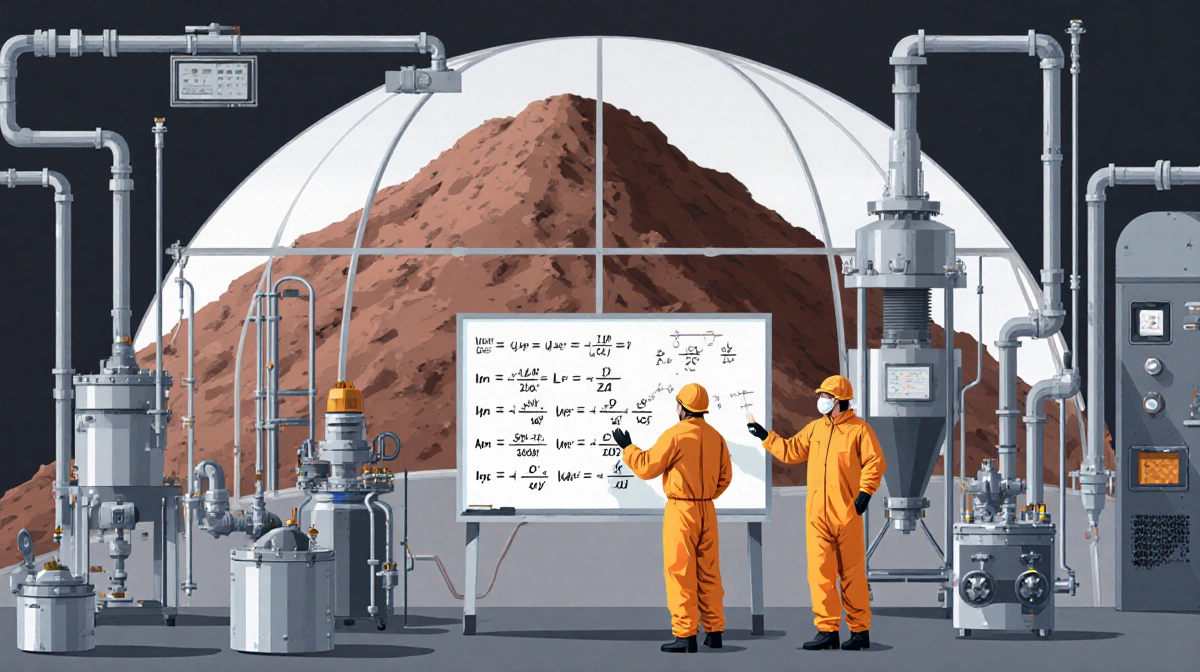
Copper producers stack crushed ore into acid-soaked heaps and let naturally occurring microbes convert insoluble minerals into a form that can be dissolved and collected. Conventional efforts to boost output try to flood the heap with lab-cultured superstar bugs, but gains usually fade fast.
Sasha Milshteyn, co-founder and CEO of Transition Metal Solutions, told News Of Philadelphia that tactic ignores microbial teamwork.
- Over 90% of organisms in a typical leach heap have never been cultured
- Engineers traditionally focus on the 5% they can grow in a lab
- Pushing one strain throws off the community balance
Instead, Transition sprinkles low-cost, mostly inorganic compounds already present at mine sites to shift the whole community toward a higher-functioning state.
Lab bottles treated with the startup’s proprietary cocktail leached 90% of available copper versus roughly 60% for controls. Milshteyn expects field heaps to jump from today’s 30-60% recovery to 50-70% once additives are tuned for each site’s unique bug population.
Road to commercial proof
Mining executives want outside verification before they rewrite operating plans. Transition will hire a recognized metallurgical lab to reproduce the numbers, then move to a demonstration heap holding tens of thousands of tons of ore. Seed money covers both steps.
If results hold, the payoff is sizeable. Milshteyn notes conventional mines leave about 65% of copper behind. “We may as well get as much out of it as we can,” he said.
Investor backdrop
The raise follows a record $537 million round last year by KoBold Metals, which is developing a Zambian copper deposit found with AI-driven exploration. Transition’s microbial shortcut offers a different path: wringing more metal out of rock already scheduled for processing.
Funds backing the seed round span climate-tech, deep-science and mining-focused venture capital, signaling confidence that biology-based upgrades can reach industrial scale within the decade.
Timeline and next steps
- Third-party lab tests: underway this year
- Demonstration heap leach: planned once lab results are accepted
- Commercial deployment: targeted for proven sites soon after
Milshteyn believes that as data accumulate, Transition will predict additive recipes for new mines without lengthy on-site calibration.
Key takeaways
- Copper demand is racing ahead of new mine supply
- Transition’s microbe-boosting additives could lift output 20-30% using existing infrastructure
- A comparatively small $6 million raise may unlock large volumes of extra metal if field trials match lab gains
Success would not end the need for new deposits, but it could narrow the looming supply gap without the decade-long wait required to open greenfield mines.