
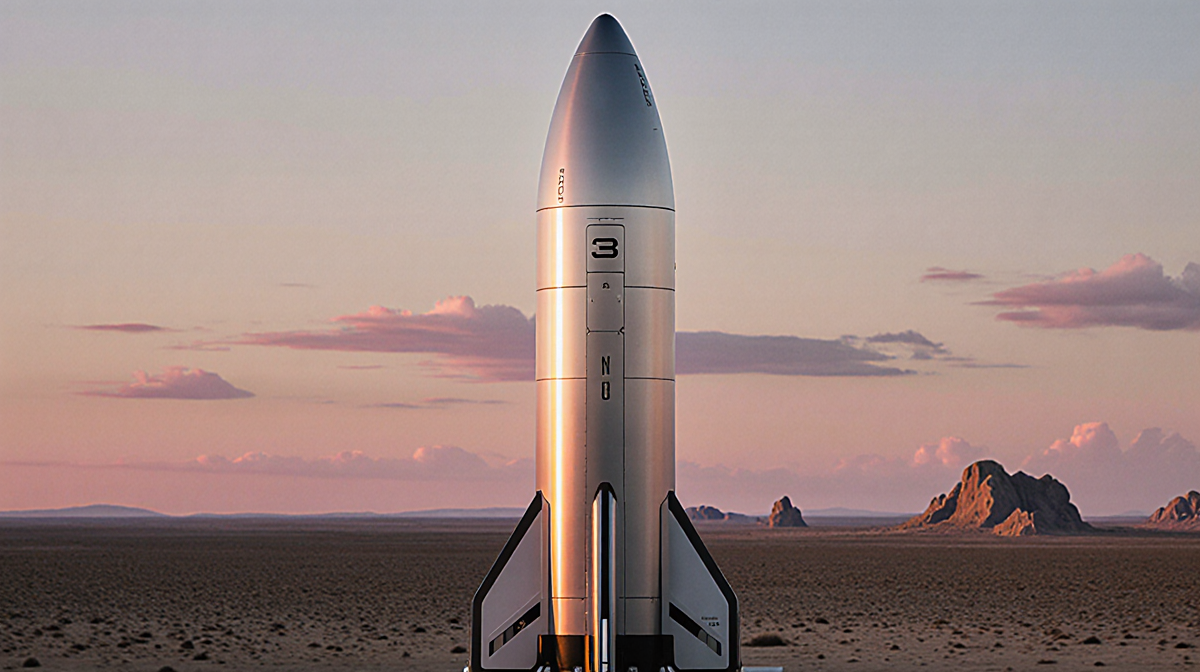

At a Glance
- The first test flight of SpaceX’s upgraded Starship rocket, V3, has been pushed to mid-March.
- V3 is larger, more powerful, and designed to carry next-generation Starlink satellites and dock with other Starships in orbit.
- The delay follows a November explosion during gas-system pressure testing of the booster stage.
- Why it matters: The change in schedule could affect SpaceX’s IPO timeline and its role in NASA’s lunar ambitions.
SpaceX has announced that the maiden flight of its next-generation Starship rocket, V3, will now take place in mid-March after a setback in testing last month.
Starship V3 and Its New Role
SpaceX’s third iteration of Starship, V3, is larger and more powerful than earlier versions. It is specifically engineered to launch a new generation of Starlink satellites that promise faster data speeds but also weigh more and have larger dimensions. The design also introduces a docking capability with other Starships in Earth orbit, a feature essential for missions to the moon or Mars.
Key attributes of V3 include:
- Increased payload capacity for heavier satellites.
- Enhanced structural integrity to support docking maneuvers.
- Compatibility with next-generation Starlink hardware.
Recent Testing Setbacks
The delay follows an explosion that occurred during a November gas-system pressure test. The blast blew out an entire side of the steel booster stage. SpaceX said the test was focused on the gas system but has not yet provided a detailed explanation of the failure.
The incident underscores the risks of pushing test vehicles to their limits-a strategy that has yielded both successes and costly setbacks in the past.
Starship V2 Lessons
SpaceX’s second version of Starship, V2, had mixed results. It successfully reached orbit, deployed dummy Starlink satellites, and recovered booster stages after landing. However, it also experienced several explosions and unexpected incidents, including a massive fireball during a ground test in June.
The V2 experience taught the company that:
- Rapid iteration can lead to rapid failures.
- Pushing vehicles beyond their design envelope can expose unknown weaknesses.
- Recovery operations can be achieved even after multiple setbacks.
Blue Origin’s New Glenn Competition
Competition is emerging from the edges of the launch market. Jeff Bezos’ space company, Blue Origin, launched its first mega-rocket, New Glenn, in January 2025 and again in November. The second flight carried its first commercial payload for NASA and achieved the first landing of its booster stage.
Blue Origin plans a third New Glenn launch in late February and aims to send a lunar lander to the moon afterward. While New Glenn is smaller than Starship, the company has announced plans for a larger version that directly competes with SpaceX’s super-heavy rocket.
SpaceX’s Market Position and IPO
SpaceX has dominated the global launch market for a decade, and Starship remains central to that dominance. The company is also racing toward an initial public offering later this year. In addition, the Trump administration has applied pressure for the return of U.S. astronauts to the moon before the end of its second term, a goal that relies heavily on Starship’s capabilities.
The recent test delay could influence investor sentiment and the timing of SpaceX’s IPO, as well as its ability to meet NASA’s lunar objectives.
Key Takeaways
- SpaceX’s Starship V3 test is now slated for mid-March after a November explosion.
- V3 will carry heavier Starlink satellites and can dock with other Starships in orbit.
- Blue Origin’s New Glenn is emerging as a competitor, with plans for a larger version.
- The delay may affect SpaceX’s IPO schedule and its role in NASA’s lunar program.
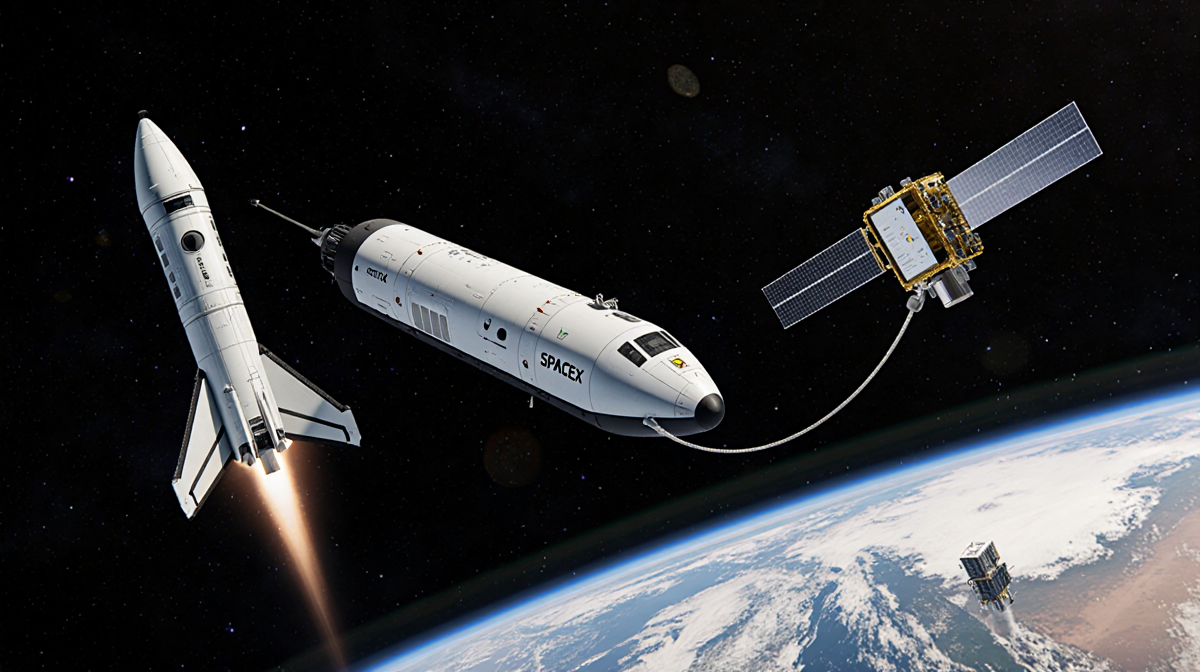
The launch community will watch closely to see how SpaceX addresses the recent setback and whether the company can maintain its lead in the competitive launch market.