

> At a Glance
> – Being left out of a dinner meet-up triggered the same pain the author felt at 13 when skipped from a bat mitzvah
> – Evolutionary and brain-scan studies show social exclusion lights up the same regions as physical pain
> – Mindful posting-asking “Will this hurt anyone?”-can break the cycle of online exclusion
> Why it matters: Adults, especially parents, replicate cafeteria politics on social media, passing the hurt to peers and modeling it for kids
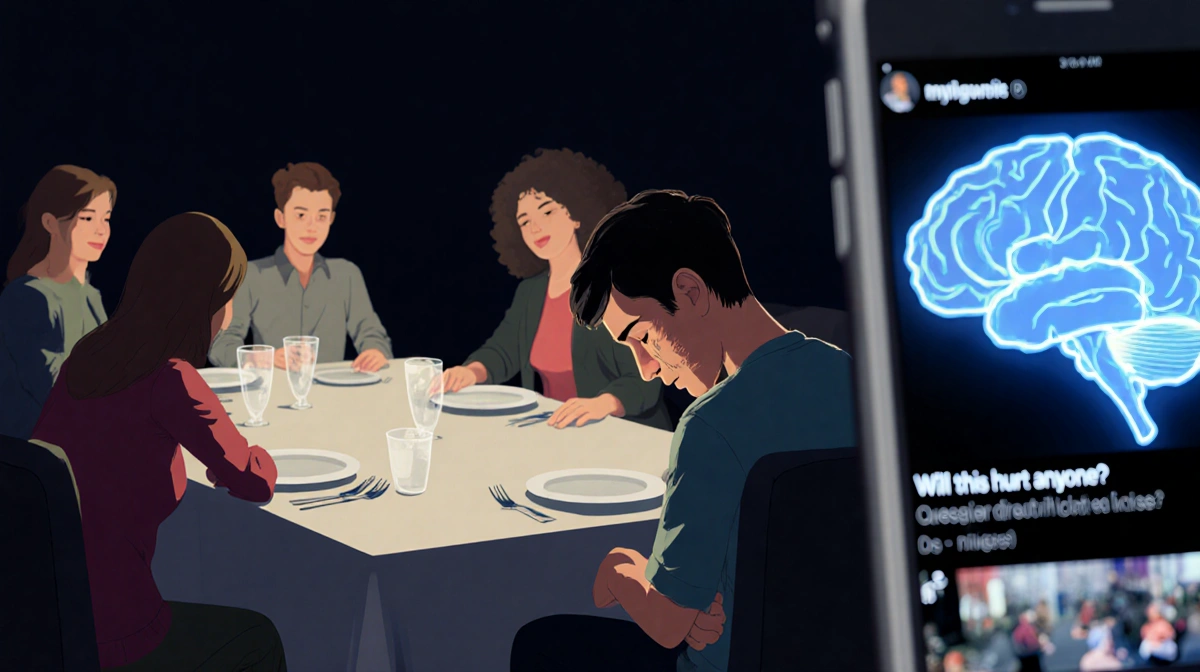
A casual dinner with other moms ended with calendar check-ins and hugs, so one woman assumed she’d be looped into the next girls’ night-until Instagram showed the same group laughing in a booth without her.
The Sting of Being Left Out
The author, 44, scrolled past the photo at night and felt her stomach drop, proving playground rejection never ages out. Her husband, half-asleep, downplayed the slight, advising her to “let it go,” but the ache replayed for days. She spiraled through self-blame: did she offend someone, try too hard, or simply not cross their minds?
- Social pain rekindles decades later because the brain stores it like physical injury
- A Swiss psychologist confirms exclusion once meant survival risk, wiring humans to detect it instantly
- Over-the-counter painkillers can actually dull the neural sting in lab tests
The Science Behind Why It Lingers
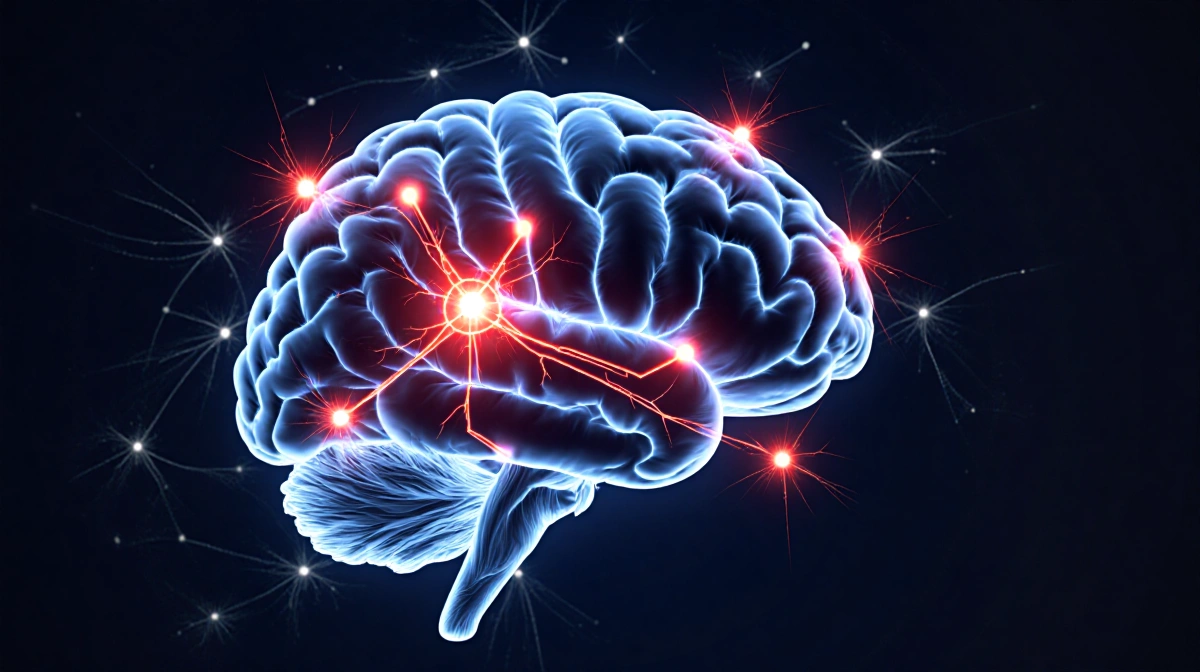
Christiane Büttner, a University of Basel PhD candidate studying online ostracism, explains two theories. Evolutionary roots equate banishment with death, while neuro-imaging reveals social and physical pain share the same neural pathway. Unlike a broken tooth memory, social slights resurface fresh each time we retell them, making the hurt durable.
| Pain Type | Physical Injury | Social Exclusion |
|---|---|---|
| Brain Region | Dorsal anterior cingulate | Same area lights up |
| Pain Reliever | Ibuprofen reduces signal | Also lowers scan activity |
| Memory Effect | Fades quickly | Reactivates on recall |
What We Can Control
The author admits she’s posted group shots without considering who might feel left out; a pregnant friend still remembers missing a beach weekend years ago. Büttner recommends cognitive reappraisal: reframe “I’m a loser” into “busy schedules happen” or “their loss.”
- Pause before sharing: will the photo hurt someone?
- Ask why the post matters-celebration or validation?
- Model kindness online the way we tell kids to act in person
Key Takeaways
- Social exclusion activates the brain’s physical-pain circuitry well into adulthood
- Memory of being left out can stay vivid for decades, unlike bodily aches
- Mindful posting-two quick questions-can curb the cycle of hurt and comparison
The cafeteria table just moves to restaurant booths and Instagram grids; choosing empathy is the real grown-up move.