

At a Glance
- Snow shoveling can make the heart work as hard as a major workout, especially in cold weather.
- Three Pennsylvania residents died from snow-removal work last Sunday.
- The American Heart Association warns that older adults and people with heart conditions face the greatest danger.
- Why it matters: Even a brief bout of shoveling can trigger a heart attack or stroke, and many people are unaware of the risk.
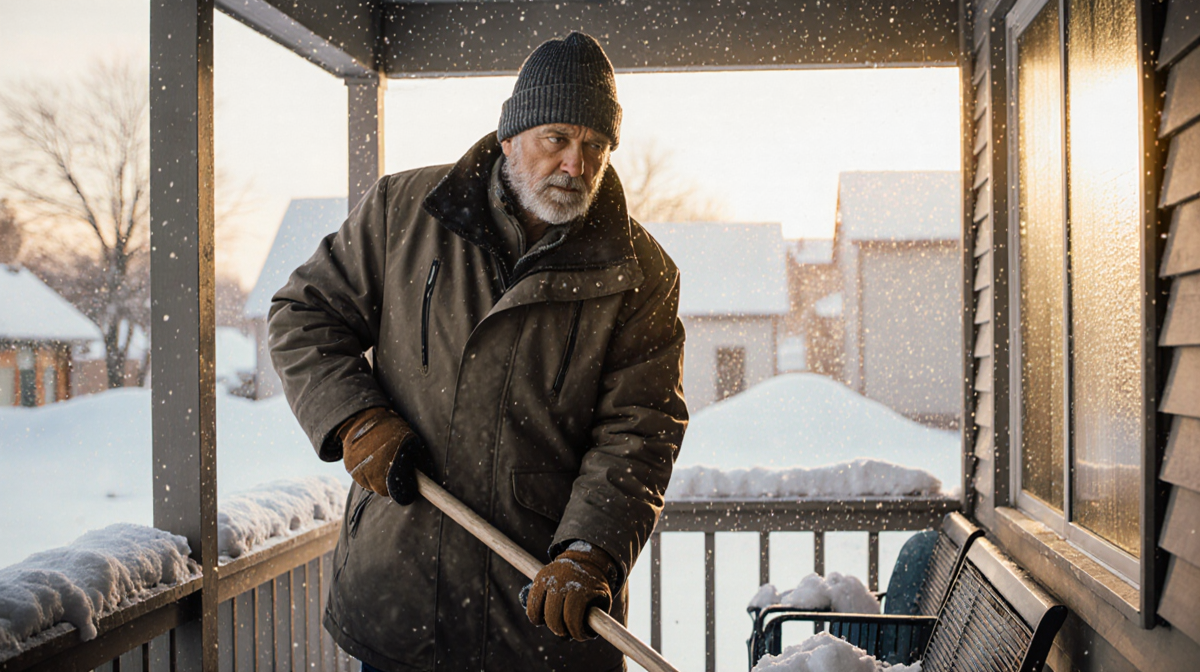
Snow shoveling is a common winter activity that many people perform without thinking about the strain it places on the heart. Recent research shows that shoveling for a short time can increase heart workload to the level of a strenuous workout. The cold also causes blood vessels to constrict, raising blood pressure and heightening the risk of heart attack, stroke, or cardiac arrest.
Risk Factors
The American Heart Association lists several groups that should be especially careful:
- Older adults – those 60 and older.
- People who have had a heart attack or have known heart disease.
- Individuals with high blood pressure or high cholesterol.
- Those who are usually sedentary and then become active during a snowstorm.
These conditions make the heart more vulnerable when it is forced to pump against higher resistance in cold temperatures.
Recent Fatalities
Pennsylvania health officials announced three snow-removal related deaths Sunday. All three victims were between the ages of 60 to 84. The Lehigh County coroner’s office urged residents to take frequent breaks and avoid over-exertion. The deaths highlight how quickly a routine task can become dangerous.
Warning Signs of a Heart Attack
The American Heart Association recommends stopping shoveling immediately if any of the following symptoms appear:
- Chest discomfort that lasts more than a few minutes or comes and goes.
- Pain or pressure in the arms, back, neck, jaw, or stomach.
- Shortness of breath with or without chest pain.
- Sudden cold sweat, unusual fatigue, nausea, lightheadedness, or irregular heartbeats.
If any of these signs occur, call 911 right away.
Safety Tips for Shoveling
Health experts advise the following precautions to reduce heart strain and prevent injury:
- Go slow and avoid lifting or throwing snow. Instead, push it.
- Take regular short breaks to keep the heart from overworking.
- Stay hydrated and wear layers that can be removed if you become too warm.
- Learn the warning signs of a heart attack and keep a phone nearby.
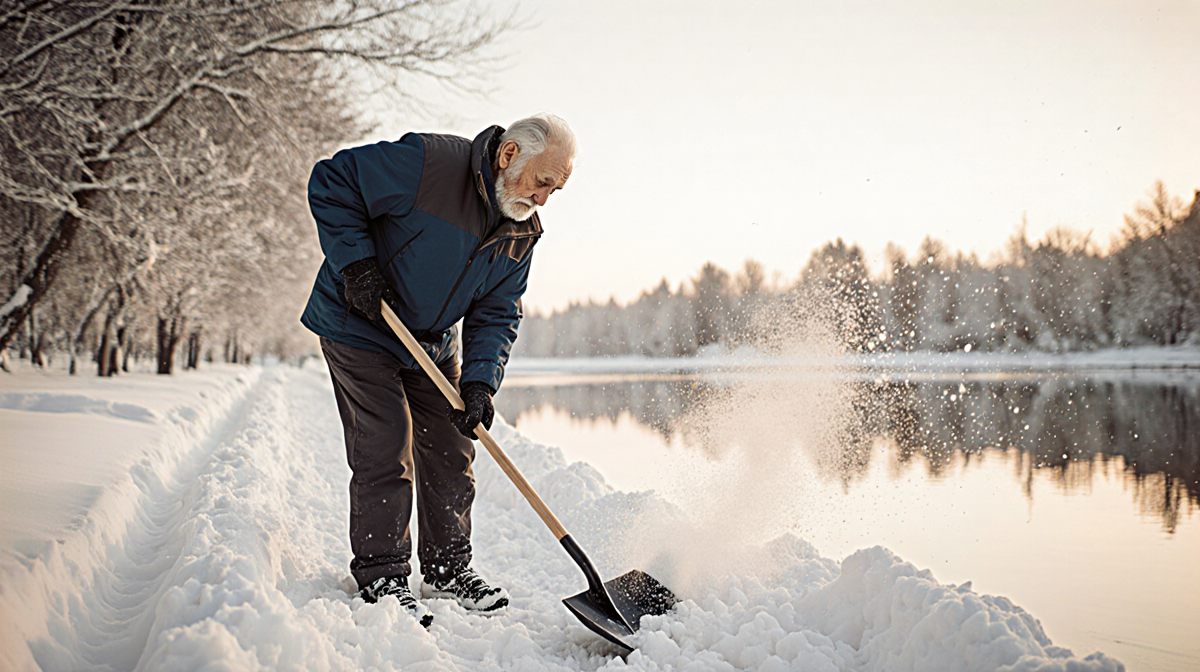
These measures can help keep the heart workload manageable and reduce the chance of a serious event.
Preventing Musculoskeletal Injuries
Every year, thousands of Americans suffer muscle or ligament injuries while shoveling snow. The most common injuries involve the back, shoulders, and knees. Simple stretches before you start can lower the risk:
- Hamstring stretch – sit on the floor, extend one leg, and reach toward your toes.
- Upper back stretch – stand with feet hip-width apart, clasp hands behind your back, and gently pull your shoulders back.
- Hip flexor stretch – kneel on one knee, push hips forward, and hold.
- Calf stretch – stand facing a wall, place one foot back, and press the heel into the ground.
Perform each stretch for 20-30 seconds and repeat on both sides.
Community Response
Local health departments are increasing outreach to remind residents of the dangers of shoveling. Educational flyers are being distributed in neighborhoods that experienced heavy snowfall, and community centers are offering short workshops on safe shoveling techniques. The goal is to reduce both heart-related incidents and musculoskeletal injuries.
Key Takeaways
- Shoveling snow can be as hard on the heart as a major workout.
- Cold temperatures raise blood pressure, increasing the risk of heart attack or stroke.
- Older adults, those with heart disease, and sedentary individuals are at greatest risk.
- Recognize warning signs and call 911 if symptoms appear.
- Use safe shoveling techniques and stretch beforehand to prevent injuries.
- Pennsylvania’s recent fatalities underscore the importance of these precautions.
By following these guidelines, residents can protect themselves and others while keeping their homes clear of snow.