Skild AI has vaulted its valuation past $14 billion after closing a $1.4 billion Series C led by SoftBank, according to Bloomberg. The leap marks a tripling of the company’s worth in only seven months.
At a Glance
- Skild AI raised $1.4 billion at a $14 billion+ valuation
- Previous round valued the company at $4.5 billion last summer
- Total lifetime funding now exceeds $2 billion
- Why it matters: The deal highlights surging investor appetite for general-purpose robotic brains that learn on the job
The Pittsburgh-based startup, founded in 2023, builds foundation models that can be snapped onto many kinds of robots. Instead of training each device from scratch, the software watches humans, then adapts. Nvidia, Macquarie Group and 1789 Capital joined SoftBank in the round.
CEO Deepak Pathak told Bloomberg the firm has now banked more than $2 billion in total. The company has not confirmed the size of its earlier raise, rumored near $500 million.
Why Robot Brains Are Hot
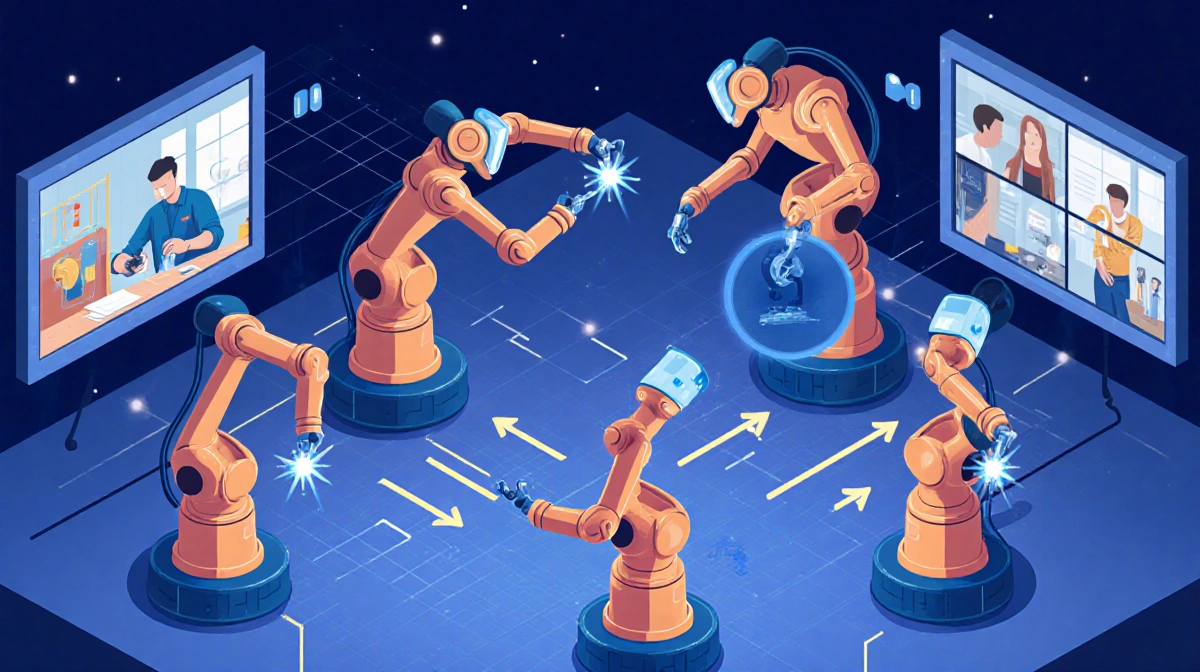
Industrial and home robots have long needed painstaking, task-by-task coding. Skild AI’s approach-one model, many bodies-promises to erase that hurdle. The models ingest video of people working, then generalize those actions to new settings.
The funding lands amid a broader race for humanoid hardware and the software that powers it. Rivals are chasing the same prize:
- Field AI is crafting adaptable robotic software
- 1X just released a world model for its Neo humanoid
Cash Pile Powers Product Push
With $1.4 billion in fresh capital, Skild AI can scale cloud training, sign manufacturing partners and court enterprise customers. The round also cements SoftBank’s bet that general-purpose AI, not single-purpose bots, will own the next automation wave.
News Of Philadelphia asked Skild AI for more detail on its fundraising timeline and will update if the company responds.
Key Takeaways
- Skild AI’s valuation jumped from $4.5 billion to $14 billion in seven months
- SoftBank leads the $1.4 billion Series C; Nvidia and others follow
- Total funding tops $2 billion, underscoring investor faith in adaptable robot brains