

At a Glance
- A Norwegian team was caught altering ski-jumping suits, adding fabric to the crotch area.
- The cheating led to an 18-month ban for coaches and new, stricter equipment rules.
- The incident sparked a national reputation crisis and forced a redesign of the sport’s regulation.
- Why it matters: It shows how tiny fabric changes can shift the outcome of a world-class event and forces the sport to tighten oversight.
A Ski jumping scandal erupted after Norwegian officials were caught adding extra material to jumpers’ suits. The alteration, designed to increase surface area, could extend a jump by several meters and gave the team an unfair advantage. The discovery forced the sport’s governing body to overhaul its equipment regulations.
The Scandal
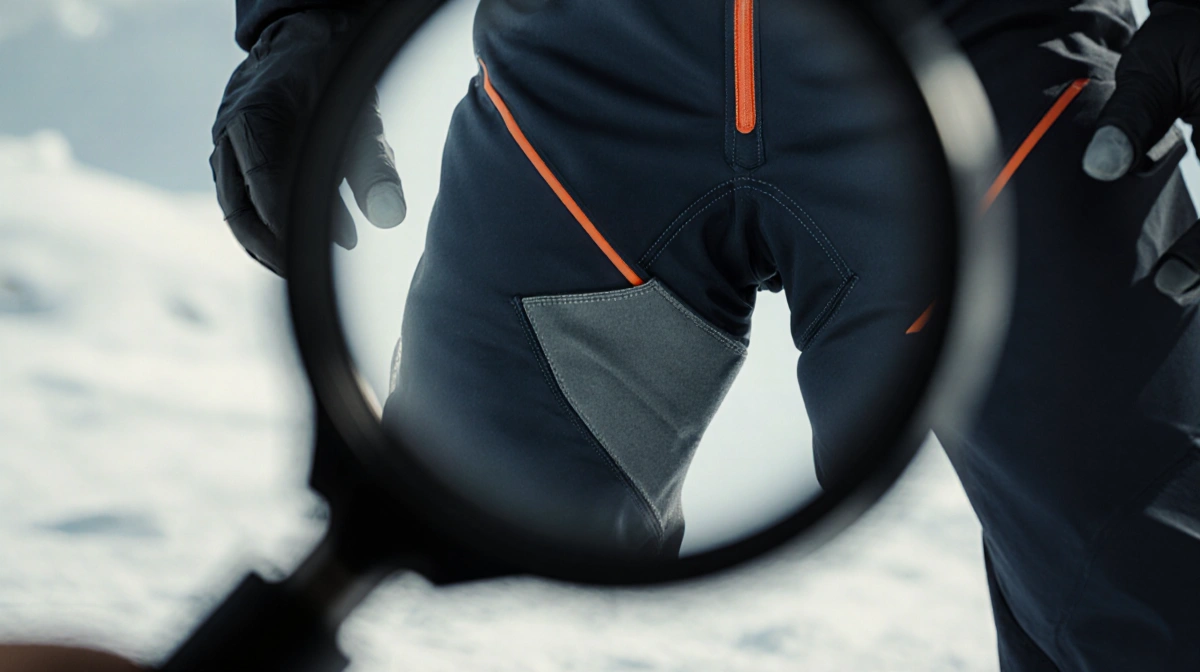
In March, video released by a whistleblower captured Norwegian head coach Magnus Brevik, assistant coach Thomas Lobben and staff member Adrian Livelten sewing extra fabric into the crotch of the men’s large-hill suits. The added material stiffened the area and increased the suit’s circumference, a tactic that was invisible until the seams were examined after the contest.
“We regret it like dogs, and I’m terribly sorry that this happened,” Brevik said at the time. The violation cost defending Olympic gold medalist Marius Lindvik a world championship silver medal and brought shame to the nation that invented the sport.
Both Lindvik and teammate Johann André Forfang accepted three-month suspensions, allowing them to compete in the season’s events. They were not charged with knowing about the stitch, but the sport’s federation said they “should have checked and asked questions about the night-time adjustments.”
The scandal ignited outrage in the tight-knit ski-jumping community. Former German Olympic champ Jens Weissflog told the newspaper Bild, “This is doping, just with a different needle.”
New Rules
In response, the International Ski Federation (FIS) introduced a new rulebook and hired former Austrian jumper Mathias Hafele as an equipment expert. “He used to make a living off of trying to make the most out of the rule book,” said FIS spokesman Bruno Sassi. “Now he’s on our side putting together the new rule book.”
Before each event, two FIS controllers and a doctor will use improved 3-D measurements to evaluate athletes’ uniforms. The new suit shape makes tampering with cuffs harder and reduces the ability to lower the crotch for extra surface area.
After passing the control checkpoint, tamper-proof microchips are affixed throughout the suit. Scanners will check the chips before and after the jump to confirm they remain in place. A system similar to soccer’s yellow-red card will be used: a single violation earns a yellow card, a second leads to a red card and disqualification from the next event, and the team loses a slot.
Eyes on Norway
After the scandal, Rune Velta, a former Norwegian team jumper, was named head coach in June. “It’s the hardest thing I’ve ever done,” Velta said. “We are building everything around the athletes from scratch. We started five months ago with zero and now we have a team around them to make them perform.”
Velta, who had publicly criticized the cheating last year as Swiss coach, feels the country is under more scrutiny this season. During the summer ski-jumping season, competitors slid down ceramic tracks and landed on plastic mats, giving the team time to adjust to the new suit dimensions.
“Acceptance for a kind of minor error and mistakes are really low,” Velta said. “We needed this summer to understand the standards and to learn kind of the line of the control and execution of the rules.”
Key Takeaways
- The 18-month bans for coaches and staff signal a zero-tolerance stance on equipment cheating.
- New microchip-based suit verification and a stricter measurement protocol aim to eliminate future tampering.
- Norway’s national reputation is still being rebuilt, with a new coaching structure and a focus on transparency.

The incident underscores how a single centimeter of added fabric-1 cm-can increase a jump by 2.8 meters, enough to separate a winner from an also-ran. The sport’s governing body now faces the challenge of ensuring every athlete competes on an even playing field.