
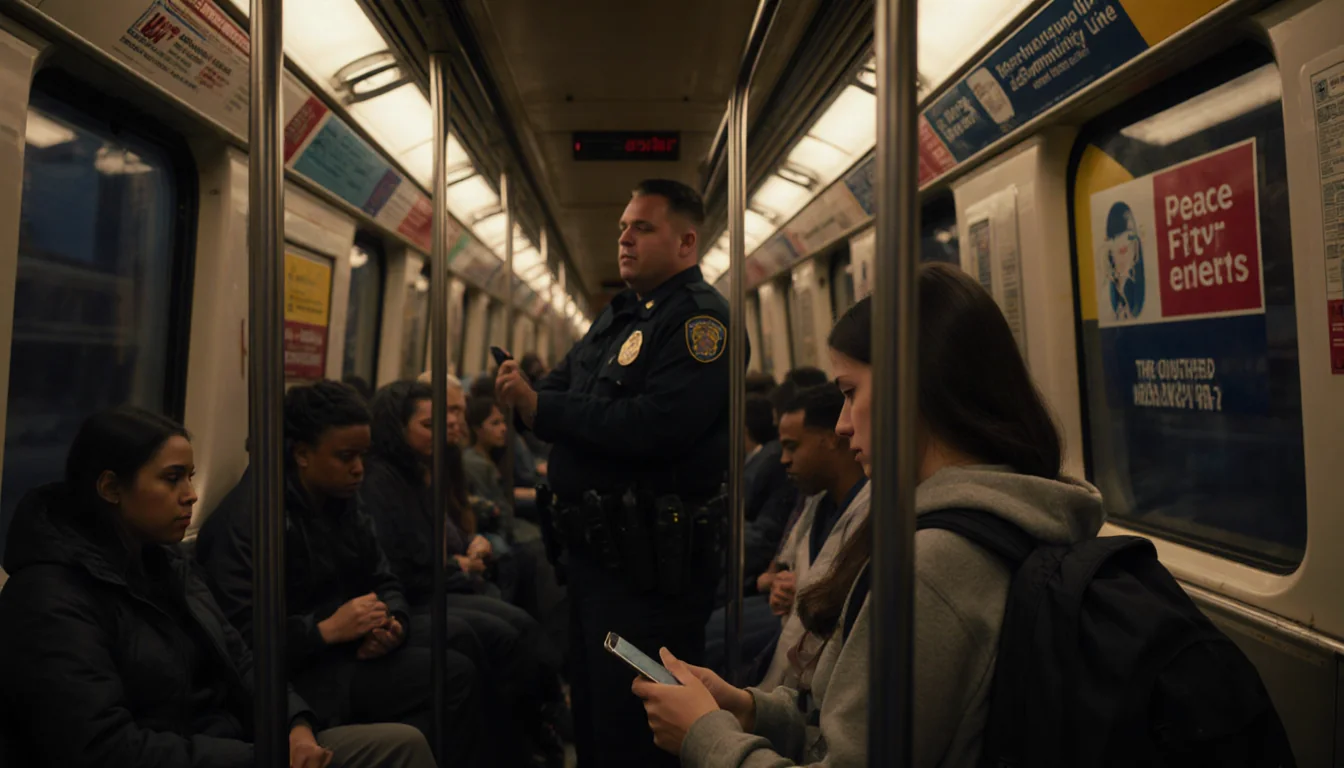
In December, SEPTA announced a fresh layer of oversight on its busiest lines as paid peace patrollers from the anti‑violence organization Philly Truce began riding trains during the evening rush. The initiative, aimed at enhancing rider safety, focuses on the Market‑Frankford and Broad Street lines—two arteries that carry thousands of commuters each day. By placing trained observers on board, the city hopes to catch incidents before they spiral into larger problems. The peace patrollers, who are compensated for their time, are tasked with watching for behaviors that could signal trouble, from smoking in prohibited areas to fare evasion and physical altercations. Their presence is meant to act as a deterrent and a rapid response resource for the transit police. The partnership between SEPTA and Philly Truce represents a new strategy in urban transit security, blending community engagement with law‑enforcement oversight.

Initiative Overview
SEPTA’s new program places paid peace patrollers from Philly Truce on the Market‑Frankford and Broad Street lines during evening rush hours to monitor for smoking, fare evasion, and fighting.
Training and Duties
Philly Truce, an organization dedicated to reducing violence in Philadelphia, brings its expertise to the transit environment by training its peace patrollers in de‑escalation techniques. The training equips volunteers with skills to defuse tense situations before they become physical confrontations, thereby complementing the work of SEPTA Transit Police. According to the organization, the patrollers will patrol the Market‑Frankford and Broad Street lines during peak evening hours, when rider density is highest and the risk of incidents rises. Their responsibilities include monitoring for riders who smoke in prohibited areas, those attempting to evade fares, and individuals engaged in fights or other aggressive behaviors. The goal is to provide a visible, non‑law‑enforcement presence that encourages compliance and offers immediate assistance when necessary. By integrating these observers into daily operations, SEPTA aims to create a safer, more welcoming environment for commuters and reduce the burden on police resources.
Coordination with Transit Police
John Davis, a representative of the peace patrol, explained how the observers coordinate with SEPTA law‑enforcement. “If they are doing anything, we just let them know what’s going on, basically give them the heads up, that we try and come before the actual SEPTA police come or police come,” Davis told NBC10. The statement reflects a proactive approach: peace patrollers are trained to identify potential threats early and alert transit police before an incident escalates. Their presence on the train also serves as a deterrent for would‑be offenders, while their de‑escalation training equips them to handle disputes without force. According to the organization, the patrollers have already positively engaged with more than 30,000 riders in the last 16 days, offering a human presence that many commuters find reassuring. This early engagement is intended to reduce the likelihood of conflicts and ensure a smoother travel experience for all passengers.
Police Chief’s Statement
SEPTA’s police chief, speaking to NBC10, highlighted the agency’s progress in reducing serious crime on the transit system. “SEPTA Transit Police have made significant strides in bringing down incidents of serious crime,” the chief said, adding that the partnership with Philly Truce is part of a broader strategy to promote safety. The chief emphasized that the combined efforts of law‑enforcement and community observers have already led to a noticeable decline in violent incidents, although exact figures were not disclosed. By collaborating with an organization that specializes in conflict prevention, SEPTA hopes to sustain the downward trend in serious crime and maintain a secure environment for riders. The police chief also noted that the initiative aligns with SEPTA’s long‑term goal of improving public perception of safety across all lines, especially during peak travel times.
Co‑Founder’s Perspective
Mazzie Casher, co‑founder of Philly Truce, added a broader perspective to the initiative. “To everybody who has the authority to do something about it, this is forever in our minds. Think about it, we’re about to have an influx on tourists like we haven’t seen since 1976 right. Why not have peace patrol out here, up and down these trains?” Casher emphasized that the expected rise in visitors could strain existing security measures. By deploying peace patrollers along the Market‑Frankford and Broad Street lines, the city can address potential safety concerns before they become problematic. Casher’s remarks underscore the urgency of proactive measures in anticipation of a surge in ridership, ensuring that the transit system remains safe and welcoming for both locals and newcomers.
Significance and Context
The collaboration between SEPTA and Philly Truce reflects a broader trend in urban transit systems toward community‑based safety initiatives. Philly Truce has long focused on reducing gun violence and other forms of street crime through mediation, outreach, and education programs. By extending its mission to the transit environment, the organization is applying proven conflict‑resolution techniques to a new setting where large crowds and high stress can trigger altercations. SEPTA officials noted that the organization’s approach complements the agency’s traditional policing model, which relies heavily on rapid response and enforcement. The peace patrollers’ presence also serves a public‑relations function, signaling to riders that the agency is proactively addressing safety concerns. As the city anticipates a significant increase in tourism—an event not seen since the mid‑1970s—several transit experts suggest that such collaborative measures will be essential to maintain order and protect the reputation of Philadelphia’s public transportation network. While the initiative is still in its early phase, the initial data indicate a promising trajectory toward a safer and welcoming travel experience.
Key Takeaways
- Peace patrollers engaged with over 30,000 riders in 16 days.
- SEPTA police chief highlights reduced serious crime through partnership.
- Philly Truce co‑founder stresses need for safety amid expected tourist surge.
The collaboration demonstrates SEPTA’s commitment to safety and community partnership, with early data indicating a positive impact on rider experience as the city prepares for increased tourism.

