

At a Glance
- U.S. could lose its measles-free designation after a year-long outbreak.
- 2,144 cases reported across 44 states, the highest since 1991.
- A single uninterrupted transmission chain would trigger a status change.
- Why it matters: Vaccination gaps and political debate threaten public health.
A year after the first measles case appeared in West Texas, health officials are racing to determine whether the U.S. still meets the criteria for being measles-free. The Centers for Disease Control and Prevention (CDC) confirmed 2,144 cases in 44 states, the most since 1991, and nearly 50 separate outbreaks. The International Health Regulations will be reviewed at a PAHO meeting on April 13, and the outcome could see the U.S. fall behind Canada.
Current State of Measles in the U.S.
The outbreak began with a patient who developed a rash on January 20, 2025. Official counts show 762 people fell ill, most in rural Gaines County, Texas, and two children died. The CDC reports that 182 potential cases in the county went unconfirmed in March 2025 alone, suggesting a possible 44% undercount.
Other states have reported significant numbers:
- New Mexico: 100 cases, one adult death.
- Kansas: nearly 90 people sick across 10 counties.
- Ohio: 40 confirmed cases.
- Montana, North Dakota, Wisconsin: 36 each.
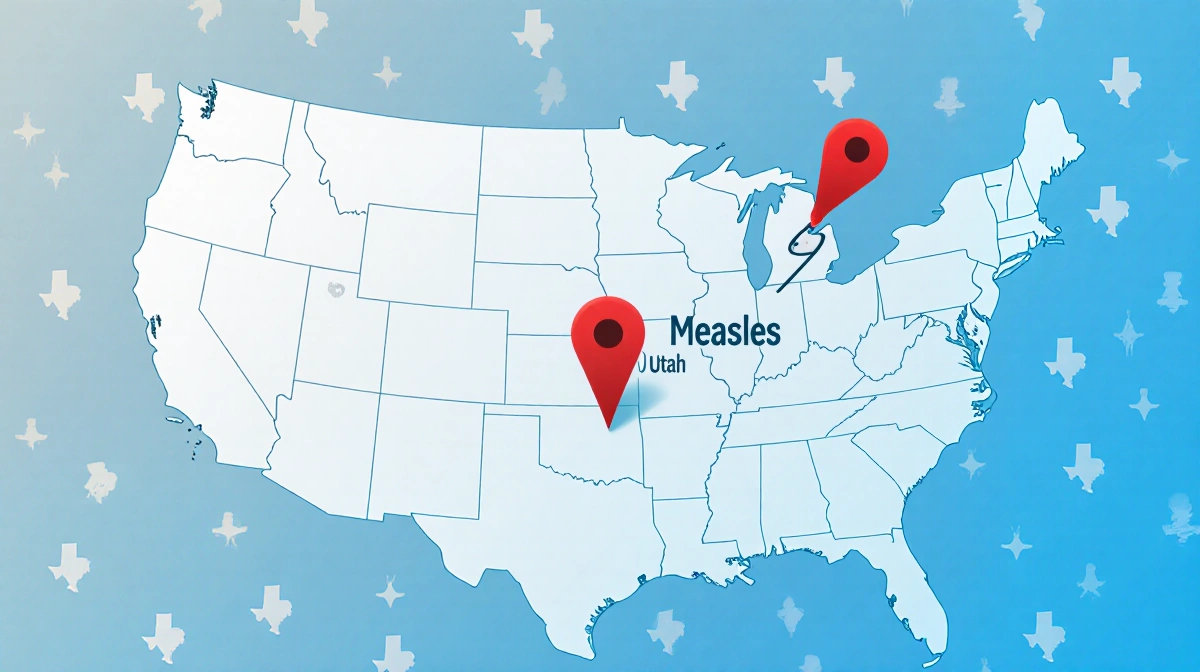
- Utah, Arizona, South Carolina: more than 800 people sick since late summer.
Why the Status is at Risk
Public health scientists are examining whether the Texas outbreak links to active cases in Utah, Arizona, and South Carolina. Several factors heighten the risk:
- Vaccination rate: The national average is 92.5%, below the 95% needed for community protection.
- Parental waivers: More children are skipping routine shots.
- Healthcare access: Barriers and distrust hinder vaccination efforts.
- Political climate: Recent officials have questioned vaccine safety and defunded local programs.
Dr. Jonathan Temte, a Wisconsin family physician who helped certify measles elimination in 2000, said, “It is really a question of semantics. The bottom line is the conditions are sufficient to allow this many cases to occur.”
International Review and PAHO Decision
The Pan American Health Organization (PAHO) will decide the U.S. status at the April 13 meeting. PAHO’s definition of elimination considers borders; if a chain starts in the U.S., spreads to Mexico, and returns, it is a new chain. Mexico’s largest outbreak, rooted in Texas, has sickened 6,000 people and caused 21 deaths in Chihuahua state.
| Country | Recent Cases | Deaths |
|---|---|---|
| U.S. | 2,144 | 2 |
| Canada | 0 | 0 |
| Mexico | 6,000 | 21 |
| Other North American countries | 0 | 0 |
Sebastian Oliel, PAHO spokesperson, said, “When there is a case of unknown origin in a country with ongoing local spread, the most conservative approach is to consider the case part of the existing national transmission.”
Voices from the Field
Behavioral scientist Noel Brewer, chair of the U.S. committee finalizing data, warned that contact tracing is expensive, with a single case costing tens of thousands of dollars. He added, “The U.S. has changed its investment in public health, so we’re less able to do the case tracking that we used to do.”
Genetic sequencing can help, but the measles virus changes slowly. University of North Carolina researcher Justin Lessler noted, “Within an outbreak, everybody is going to look the same.”
Dr. Andrew Pavia, a Utah physician, said, “My best guess is we will lose elimination status. The case for this not being continuous transmission is tenuous, and I think they are likely to err on the side of declaring it a loss of elimination status.”
What Happens If Status is Lost
If the International Health Regulations determine that a single transmission chain has persisted for 12 months, the U.S. would:
- Lose its measles-free designation.
- Face increased scrutiny from global health bodies.
- Likely see a surge in vaccine promotion and funding.
- Risk higher travel restrictions and public health alerts.
The CDC has issued a new warning urging travelers not to fly unless vaccinated. Public health officials say the most important step is to get those who are not vaccinated vaccinated.
Takeaway
The measles outbreak in the U.S. illustrates how quickly vaccine-preventable diseases can spread when immunity gaps widen. With a high number of cases and ongoing transmission in multiple states, the international review on April 13 could mark a turning point for U.S. public health. The outcome will hinge on whether the data show an uninterrupted chain of transmission lasting a full year.