
At a Glance
- Trump acknowledges federal agents can make mistakes during immigration enforcement.
- He blames the agency for the fatal shooting of Renee Nicole Good on Jan. 7.
- The remarks come amid accusations of a broader crackdown on Minnesota’s Somali-American community.
- Why it matters: The comments heighten debate over the balance between law-enforcement and civil rights.
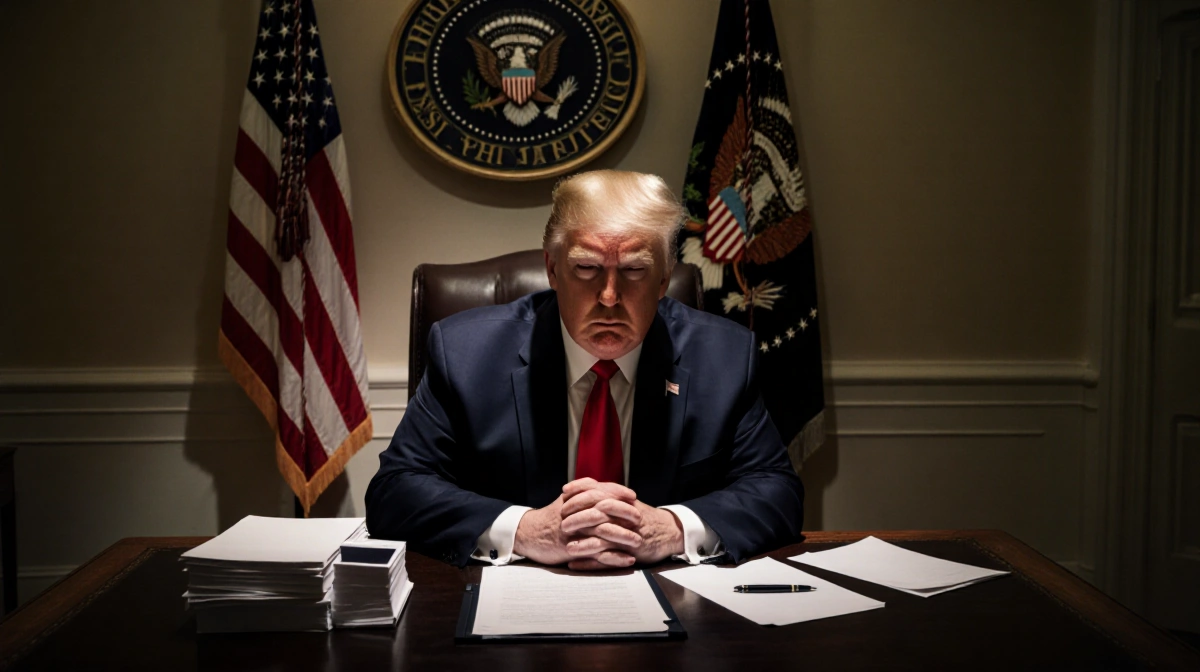
The president’s brief appearance at the White House press room on Tuesday was marked by a mix of criticism, self-promotion and controversial statements about the fatal shooting of Renee Good and the role of Immigration and Customs Enforcement (ICE).
ICE Mistakes and the Good Shooting
During a lengthy briefing that focused largely on the first year of his second term, Trump said ICE officers might be “too rough” and could “make some mistakes sometimes.” He added, “It can happen. We feel terribly.”
He specifically referenced Good, who was shot by ICE officer Jonathan Ross on Jan. 7 after Ross and other agents approached her stopped car and she began to drive. Trump called the incident a tragedy and noted that Good’s father was a Trump supporter.
In a separate interview with The New York Times hours after the shooting, Trump suggested that Good had been trying to hit Ross with her car, stating:
> “She behaved horribly, and then she ran him over. She didn’t try to run him over. She ran him over.”
He also posted on Truth Social that Good had “violently, willfully, and viciously ran over the ICE Officer.” Video footage from that day contradicts his version of events.
Key points about the Good shooting
- Jan. 7: Good was shot by ICE officer Jonathan Ross.
- Trump claims Good was attempting to hit Ross.
- Video evidence suggests Good was not the aggressor.
- Trump’s remarks have drawn criticism from civil-rights groups.
Economic Claims and Public Relations
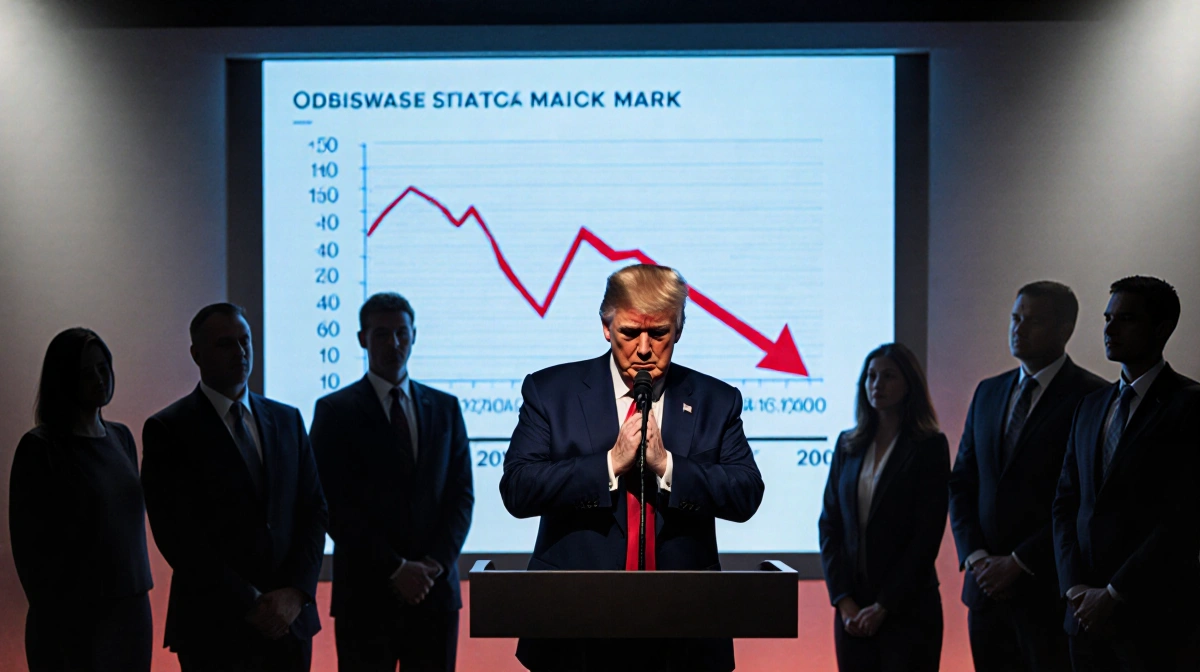
Trump opened the session by saying he believes he is not receiving enough credit for the economy, noting that polls show the public has lost faith in his leadership. He blamed a lack of promotion, saying, “Maybe I have bad public relations people…We’re not promoting…”
He listed economic data points to argue Americans are prospering under his administration, while warning he does not want to repeat the error of President Joe Biden, who touted economic achievements when voters felt squeezed by prices.
Highlights of his economic remarks
- Claims of prosperity under his leadership.
- Critique of Biden’s economic messaging.
- Emphasis on the need for better promotion of achievements.
Foreign Policy and the Nobel Prize
Trump gave a virtual tour of a globe he hopes to remake and lamented that he did not win a Nobel Peace Prize for work done in his first year back in the White House. He said he believes he should have received the prize for “each war” he has ended, claiming he has ended eight wars.
When asked how winning the Nobel Peace Prize would help everyday Americans, he said it wouldn’t, adding that he has saved probably tens of millions of lives in wars.
Summary of foreign-policy statements
- Desire to remake global politics.
- Claim of ending eight wars.
- Assertion that a Nobel Peace Prize would not directly benefit Americans.
- Criticism of Norway’s role in the Nobel Prize process.
Greenland Ambition and NATO Concerns
Trump criticized European allies who oppose his plan to acquire Greenland, which belongs to Denmark, by purchase or force. When asked how far he would go to take the island, he replied, “You’ll find out.”
He also expressed doubts about NATO’s willingness to help the United States, saying, “I just really do question whether or not they’ll come to ours.” He reaffirmed his intention to protect NATO allies from external threats.
Key takeaways from his foreign-policy stance
- Ambition to acquire Greenland.
- Skepticism about NATO’s reciprocal support.
- Commitment to protecting NATO allies.
Key Takeaways
- Trump admits ICE can make mistakes and blames the agency for Good’s death.
- He continues to promote economic successes while criticizing his public-relations strategy.
- His foreign-policy rhetoric includes ending eight wars, a desire for a Nobel Peace Prize, and a push to acquire Greenland.
- He questions NATO’s commitment to the United States.
The president’s remarks have reignited scrutiny over immigration enforcement and the broader policy agenda he pursues.