

Intro paragraph
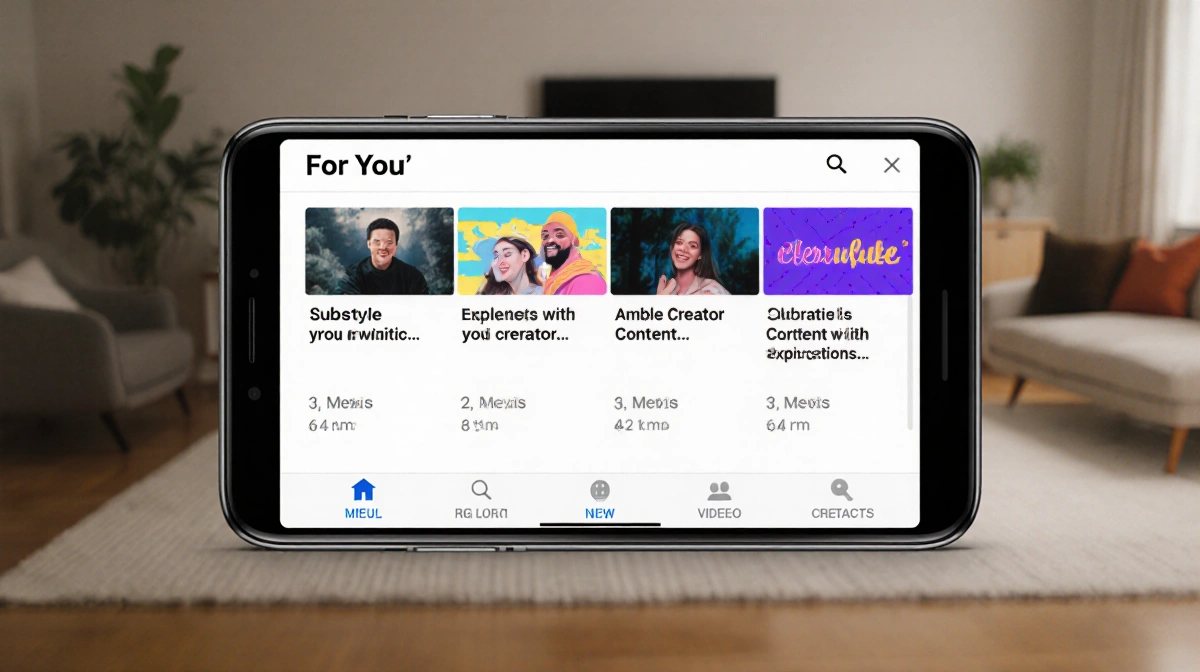
On January 22, 2026, Substack announced a new TV app that lets subscribers stream video posts and livestreams on Apple TV and Google TV. The app brings the platform’s growing video library to the living room, offering a TikTok-like “For You” feed and creator-centric browsing. While the move expands Substack’s reach, it also fuels debate about the company’s focus on video over its original writing roots.
At a Glance
- Substack launches TV app for Apple TV and Google TV
- “For You” row highlights creator videos
- Free and paid tiers give different levels of access
- Community reactions question a shift from writing to video
What the TV App Offers
The beta app is available to both free and paid subscribers. Users can watch video posts and livestreams that authors have posted on the Substack platform. The interface includes a “For You” row that surfaces popular videos and recommended content from creators.
Feature Highlights
- TikTok-style “For You” feed
- Dedicated sections for each publication
- Audio posts and read-aloud options
- Enhanced search and discovery
- In-app upgrades to paid subscriptions
Subscription Model
Free subscribers can access a limited set of videos based on their tier. Paid subscribers receive full access to all videos, livestreams, and future paid previews. Substack plans to add paid content previews for free subscribers later.
| Tier | Video Access | Additional Features |
|---|---|---|
| Free | Limited | Basic search |
| Paid | Full | In-app upgrades, previews |
Strategic Context
Substack began its push into video with the launch of video posts back in 2022. It then started allowing creators to monetize videos early last year. Around the same time, it rolled out livestreaming capabilities to all publishers. The company also embraced short-form video, launching a TikTok-like feed in March 2025.
The platform’s move to TV is part of a broader trend of newsletter services expanding into visual media. By adding a TV app, Substack aims to compete with platforms like YouTube and Patreon for both creators and viewers.
Community Reaction
In its own blog post, Substack wrote: “Substack is the home for the best longform-work creators put real care into and subscribers choose to spend time with.” It followed with a note that “Now these thought-provoking videos and livestreams have a natural home on the TV, where subscribers can settle in for the extended viewing that great video deserves.”
However, comments on the announcement were mixed. The top comment read: “Please don’t do this. This is not YouTube. Elevate the written word.” Another popular comment said: “You guys have gone from saying Substack is the best home for longform writing/writers to ‘Substack is the home for the best longform-work…’. I get trying to evolve, but this just seems like another venture capital-fueled idea.”
Other users echoed similar concerns, questioning why the platform appears to be shifting its focus from writing to video.
Industry Implications
Substack is not the only platform pushing into the living room. Instagram recently launched IG for TV, a new experience that lets users watch Reels on TV, starting with Amazon Fire TV. The trend signals that content creators are looking for new ways to reach audiences beyond mobile screens.
If the TV app succeeds, it could encourage other newsletter platforms to explore similar moves. It also raises questions about how newsletters will balance video and written content in the future.
Future Plans
Substack has outlined a roadmap for the TV app. The company plans to introduce paid content previews for free subscribers, audio posts, read-aloud features, enhanced search, in-app subscription upgrades, and dedicated sections for each publication.
- Paid previews for free users
- Audio posts and read-alouds
- Enhanced search and discovery
- In-app subscription upgrades
- Dedicated sections per publication
Technical Specs
The app is built for Apple TV and Google TV. Users can download the app from the respective stores and sign in with their Substack credentials.
Creator Experience
Authors can upload video posts and livestreams directly from the Substack web interface. Monetization options allow creators to earn from video views and paid previews.
Audience Reach
By moving to TV, Substack opens its content to viewers who prefer larger screens. The platform expects to attract subscribers who enjoy extended viewing sessions.
Competitive Landscape
The move places Substack alongside YouTube, Patreon, and Instagram’s IG for TV. Each platform offers different monetization models and audience demographics.
Timeline
| Year | Milestone |
|---|---|
| 2022 | Video posts launched |
| 2023 | Monetization of videos allowed |
| 2024 | Livestreaming rolled out |
| 2025 | TikTok-like feed launched |
| 2026 | TV app launched |
Financial Implications
Paid subscribers already pay for full video access. Substack plans to generate additional revenue by offering paid previews to free users and enabling in-app upgrades.
Industry Trends
The trend of newsletters moving into video and TV is part of a larger shift toward multimedia content.
Key Takeaways
- Substack’s TV app expands its media footprint to Apple TV and Google TV.
- The app offers a curated “For You” feed and creator-specific sections.
- The move has sparked debate about Substack’s core identity.
- The broader trend shows a shift toward multi-platform content delivery.
Written by Daniel J. Whitman at News Of Philadelphia