

At a Glance
- PopWheels is testing e-bike batteries to power food carts in Manhattan.
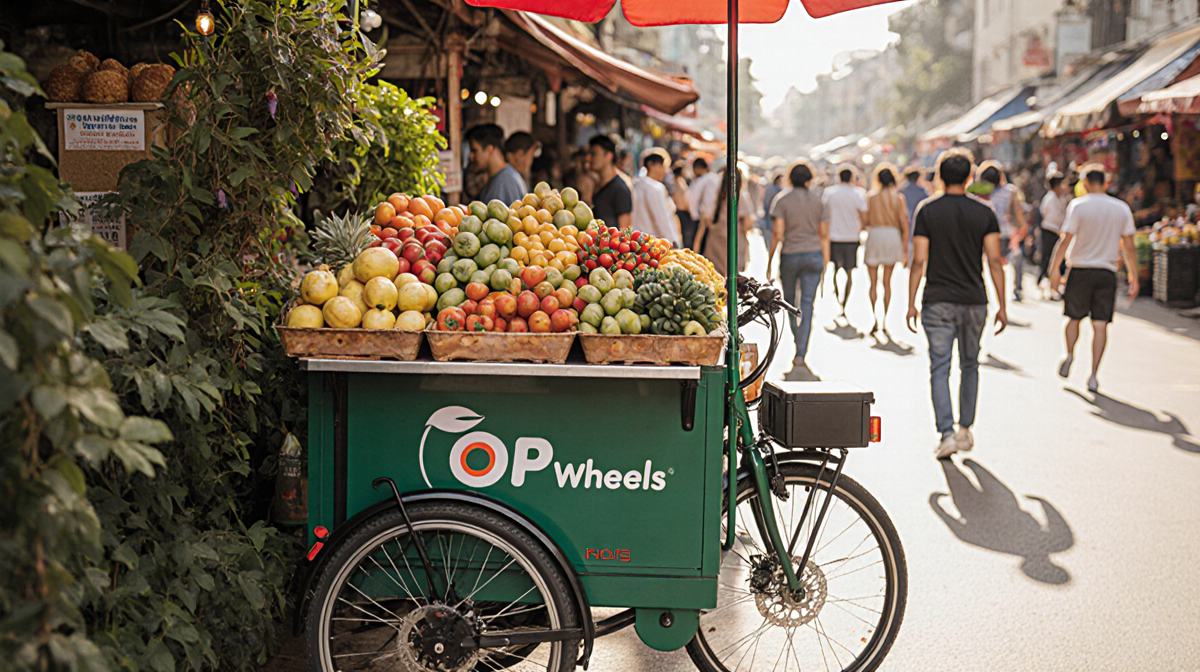
- The pilot uses a single battery pack at La Chona on 30th & Broadway.
- The startup plans to roll out the system nationwide this summer.
- Why it matters: It could replace gasoline generators, cutting costs and emissions for street vendors.
PopWheels is turning a small idea into a potential game-changer for New York City’s food cart scene. The Brooklyn-based startup is testing its e-bike batteries on a Mexican cart in Manhattan, aiming to replace the smelly gas generators that keep street-food lights on.
The Problem with Food Cart Gas
Food carts in New York rely on portable generators that run on gasoline. These units are noisy, emit fumes, and add to the city’s air pollution. Cart owners spend about $10 a day on fuel, and the generators can be a major source of customer discomfort.
> “Food carts probably spend around $10 a day on gas for their generators to keep the lights on,” said David Hammer, co-founder and CEO of PopWheels.
The high operating cost and environmental impact have made the industry ripe for innovation.
PopWheels’ Battery Swap Solution
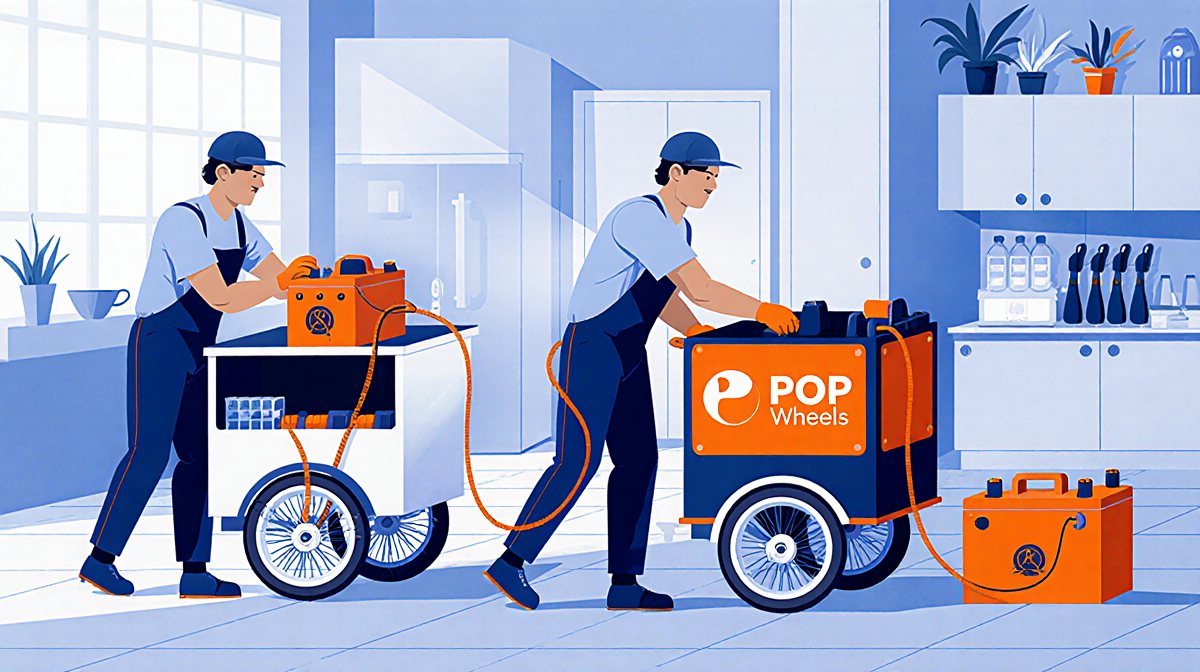
PopWheels originally built battery packs for e-bike delivery riders. The company now sees an opportunity to power food carts with the same technology.
Key Features
- 30 charging cabinets across Manhattan, each holding 16 batteries.
- Cabins are fire-safe and can extinguish a battery fire quickly.
- Battery packs can be swapped mid-day if a cart needs more power.
- $75 per month subscription gives unlimited access to the network.
- The company has a long waitlist for new customers.
> “If a food cart needs more power, the owner can swap the battery packs midday,” Hammer explained.
The batteries supply about five kilowatt-hours of electricity, enough for the low end of a cart’s draw. If more juice is needed, the cart can visit a swap station.
Cost Comparison
| Item | Daily Cost | Monthly Cost | Notes |
|---|---|---|---|
| Gasoline (generator) | $10 | $300 | Fuel only |
| Battery subscription | $2.50 | $75 | Unlimited use |
| Bodega charging service | $100 | $2,000 | Includes battery wear and tear |
The battery subscription is a fraction of the cost of traditional gasoline or bodega charging.
Pilot at La Chona
The first full-day test took place at La Chona, a Mexican cart on 30th & Broadway. The prototype adapter allowed the cart to run on PopWheels batteries for an entire day.
> “We are planning to roll this out aggressively starting this summer,” Hammer said. “We think we could be cost neutral with gasoline for a food cart owner while solving all of the quality of life issues.”
Cart owners reported no noise from the batteries and expressed interest in adopting the system.
Future Plans and Funding
PopWheels raised a $2.3 million seed round in 2025. The funding will support scaling the battery infrastructure and expanding to other cities.
> “There’s something bigger here,” Hammer said. “If you build urban-scale, fire-safe battery swapping infrastructure, you’re creating an infrastructure layer that lots of people are going to want to get on board with.”
The company is working with the non-profit Street Vendor Project to move the idea forward.
Key Takeaways
- PopWheels is repurposing e-bike batteries to power food carts, potentially cutting daily fuel costs from $10 to a few dollars.
- The pilot at La Chona proved the technology works for a full day.
- The startup’s subscription model at $75 per month offers unlimited access to a network of 30 fire-safe cabinets.
- Funding and partnerships are in place to scale the solution across Manhattan and beyond.
The initiative could transform how street vendors operate, reducing emissions and improving customer experience.