

At a Glance
- 20 district-owned schools will close, 12 will be repurposed, 8 will be conveyed to the city.
- The plan covers 307 properties, modernizing 159, maintaining 122, and co-locating 6.
- A 10-year, $2.8 billion investment will be funded with $1 billion from the district and $1.8 billion from public and philanthropic sources.
Why it matters: The move reshapes where students learn, how historic buildings are used, and how the district allocates billions in capital funds.
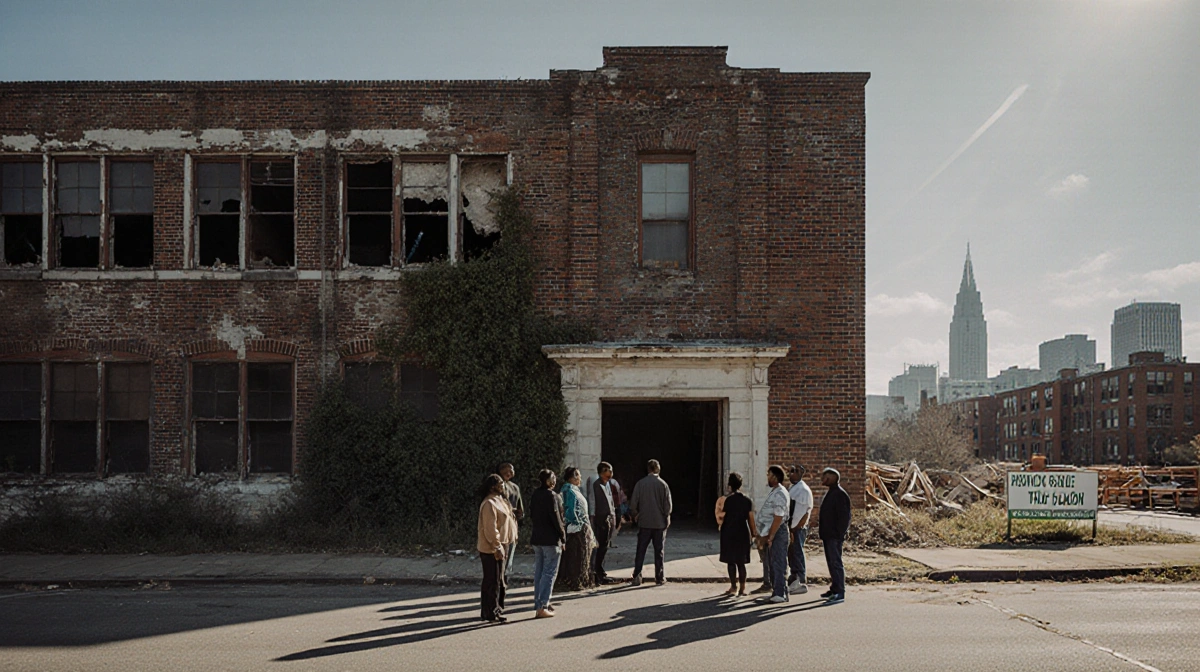
The School District of Philadelphia unveiled a comprehensive master plan on Thursday that will close 20 district-owned schools, repurpose 12, and transfer 8 to the city for workforce housing or job creation. The plan is the culmination of studies, surveys, and community listening sessions that shaped the district’s approach to aging facilities.
Master Plan Overview
The master plan is a 10-year strategy that aims to modernize, consolidate, and repurpose the district’s 307 properties. According to Superintendent Tony Watlington, the plan will modernize 159 schools, maintain 122, and co-locate 6.
| Category | Count |
|---|---|
| Modernized | 159 |
| Maintained | 122 |
| Co-located | 6 |
Watlington said the plan will be presented to the Board of Education later this winter and, if approved, changes will not occur before the 2027-2028 school year.
School Closures and Reassignments
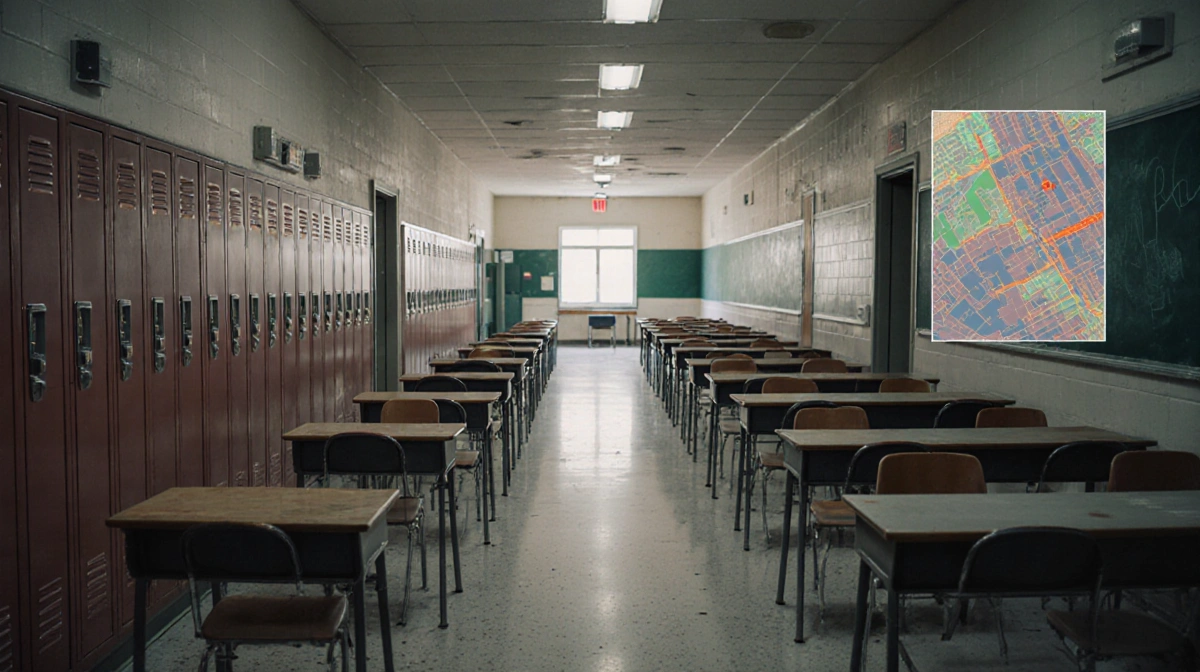
The plan lists specific closures and the new schools that will receive displaced students:
- Robert Morris Elementary – students move to William D. Kelley and Bache-Martin; the building becomes a hub for the Office of Diverse Learners.
- Samuel Pennypacker School – students shift to Franklin S. Edmonds and Anna B. Day.
- John Welsh Elementary – students transfer to John Hartranft and William McKinley; the building will be modernized into a new year-round high school.
- James R. Ludlow School – students go to Paul L. Dunbar, Spring Garden, and General Philip Kearny; the building will be conveyed to the city for affordable workforce housing or job creation.
- Laura W. Waring School – students move to Bache-Martin; the building becomes the home of Masterman Middle School.
- Overbrook Elementary – students go to Lewis C. Cassidy Plus Academics, Guion S. Bluford, John Barry, and Edward Heston; the building will be modernized into district network offices.
- Rudolph Blankenburg School – students shift to James Rhoads, Edward Heston, and the newly co-located Martha Washington Academics Plus; the building will be conveyed to the city for workforce housing or job creation.
- Fitler Academics Plus – phased out; the building will be conveyed to the city or sold.
- General Louis Wagner Middle School – phased out; the building will be conveyed to the city or sold.
- Stetson Middle School – phased out; the building will be repurposed as district swing space.
- Warren G. Harding Middle School – phased out; the building will be repurposed for new schools.
- William T. Tilden’s Middle School – phased out; the building will be modernized into an athletics and sports facility for Bartram High School.
- Academy for the Middle Years at Northwest (AMY NW) – phased out; the building will be conveyed to the city or sold.
- Lankenau High School – closed; the program merges into Roxborough High School as an honors program; the building will be conveyed to the city or sold.
- Motivation High School – closed; the program merges into John Bartram High School as an honors program; the building will become district swing space.
- Paul Robeson High School – closed; the program merges into William L. Sayre High School as an honors program with CTE investments; the building will be conveyed to the city or sold.
- Parkway Northwest High School – closed; the program merges into Martin Luther King High School as an honors program; the building will become district swing space.
- Building 21 at Martin Luther King High School – co-located; the building will be conveyed to the city or sold.
- Workshop School at Overbrook High School – co-located; the building becomes a training facility for the Operations Division.
- The U-School at Thomas A. Edison High School – co-located; the building will be conveyed to the city or sold.
- Penn Treaty High School – phased out; William Bodine High School will move into the site to expand seats.
- Martha Washington Academics Plus (K-4) – co-located with Middle Years Alternative School (5-8); the building becomes district swing space.
- Parkway West High School – merged into Science Leadership Academy at Beeber; grades 5-8 added.
- Bodine High School – moves to the old Penn Treaty building; Constitution High School moves into the old Bodine building.
Repurposing and Conveyances
Beyond closures, the plan includes several repurposing projects:
- Bache-Martin Elementary will be modernized to increase capacity.
- South Philadelphia High School’s CTE spaces will become a state-of-the-art hub and add a fifth-through-eighth-grade CTE program.
- A new arts academy facility will be built on the vacant site of the old Fels school.
- The existing Arts Academy at Benjamin Rush High School will become a new catchment high school.
- Central High School will be modernized into a performing arts center.
- A new fifth-through-eighth-grade Academy will open at Palumbo Middle School, co-located with George W. Childs School.
- Watson Comly, Edwin Forrest, and Laura Carnell schools will be modernized to address overcrowding.
- Mary McLeod Bethune Elementary will host a year-round K-8.
- E. W. Rhodes School will be partially repurposed for a renovated pool facility.
- The number of Pre-K sites will rise from 75 to 91.
- Schools will be aligned to the district’s ideal sixth-grade band configurations.
Community Engagement and Feedback
Watlington highlighted the district’s engagement efforts: 47 public listening sessions, 35 data verification sessions with principals, and two district-wide surveys that gathered over 13,000 responses. He stated, “The engagement is not done. We are scheduling another round of community conversations to take place in February, before the final plan is submitted to the board, so that the community can provide feedback on our recommendations.”
Financial and Long-Term Vision
The district will propose the $2.8 billion plan to the Board. Funding will come from a two-year capital borrowing cycle, with the district committing $1 billion of its own resources and seeking an additional $1.8 billion in public and philanthropic funding.
Union Response
Philadelphia Federation of Teachers President Arthur G. Steinberg criticized the plan for a lack of transparency. He said, “Today, the District delivered a set of proposals without the transparency they promised. A number of proposed school closures and mergers make no sense based on the data we have, and equally as important, based on the experiences of our members in those buildings. That’s unacceptable. We will keep up our demands that the District explain its scoring methodologies.”
Steinberg added that the district’s administration had previously promised to do better after past mass closures. He emphasized that students and communities deserve the best.
The plan’s details, including the full list of affected schools, are available in the district’s published document.
Key Takeaways
- 20 schools will close; 12 will be repurposed; 8 will be conveyed to the city.
- The district will modernize 159 schools and maintain 122.
- The $2.8 billion plan relies on $1 billion from the district and $1.8 billion from external sources.
- Union leaders demand greater transparency and explanation of scoring methods.
- The plan will not take effect until the 2027-2028 school year, pending board approval.