
Introduction
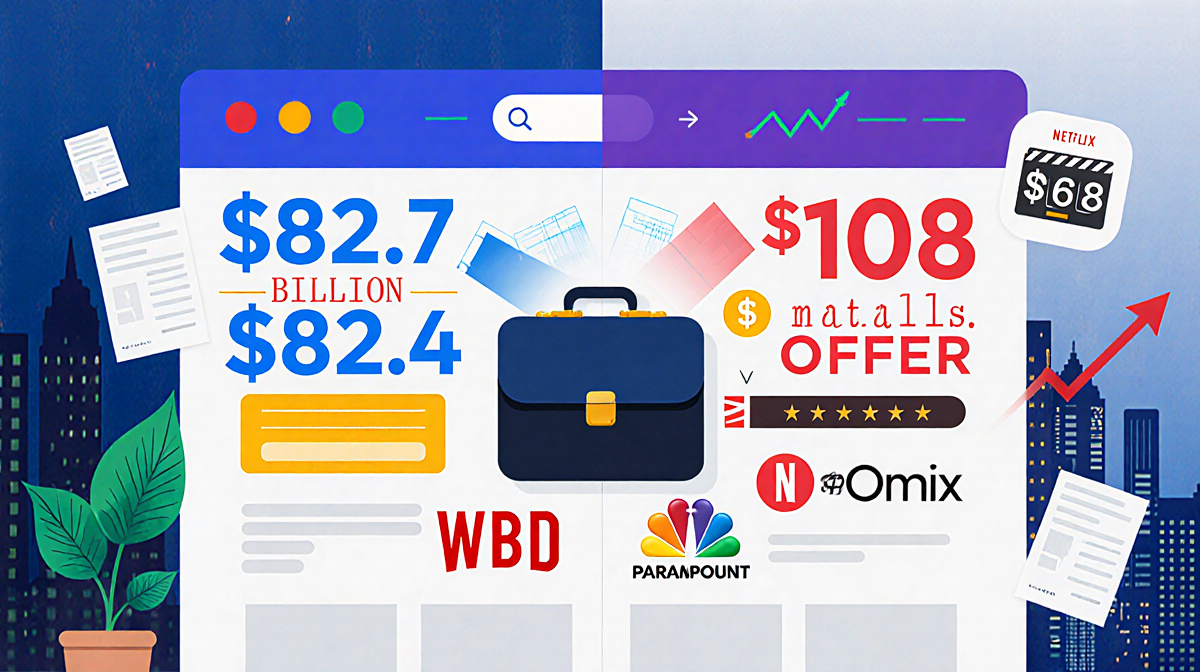
Netflix, the largest streaming platform with 325 million subscribers, announced a landmark acquisition of Warner Bros. Discovery’s (WBD) film and television studios, HBO, HBO Max, and other assets. The deal, valued at $82.7 billion, will bring iconic franchises like Game of Thrones, Harry Potter, and DC Comics under one corporate roof.
At a Glance
- Deal value: $82.7 billion for WBD’s film, TV, and streaming assets.
- Key competitors: Paramount offered $108 billion in cash for the entire company.
- Share price: Netflix amended its offer to $27.75 per WBD share.
- Regulatory risk: A potential $5.8 billion breakup fee if the merger is blocked.
- Impact: Could reshape Hollywood’s distribution model and consumer pricing.
Background of the Deal
The idea of a sale surfaced in October when WBD announced it was exploring options after unsolicited interest from several industry giants. Years of mounting debt, declining cable viewership, and fierce streaming competition pushed WBD toward a strategic pivot.
WBD’s board ultimately chose Netflix over Paramount and Comcast. Paramount’s bid, though higher, would have saddled the combined company with $87 billion in debt, a risk the board rejected.
Netflix’s focus on the film, television, and streaming assets allowed it to keep the $27.75 per-share offer competitive while avoiding a full-company takeover that could trigger heavier regulatory scrutiny.
Competitive Bidding War
- Paramount’s Position: Sought to acquire WBD entirely, offering $108 billion in cash.
- Netflix’s Offer: Targeted only the media assets, maintaining a lighter debt profile.
- Board Decision: Netflix’s proposal was deemed most attractive, leading to a swift approval.
- Post-Approval Moves: Paramount filed a lawsuit requesting more information about the Netflix deal, claiming its offer was superior.
The bidding process highlighted how debt levels influence merger outcomes, with WBD prioritizing financial stability over a higher cash payout.
Regulatory Scrutiny
The merger’s scale has drawn intense antitrust attention. Earlier this week, Netflix co-CEO Ted Sarandos was scheduled to testify before a U.S. Senate committee.
In November, Senators Elizabeth Warren, Bernie Sanders, and Richard Blumenthal warned that the merger could grant the new media giant excessive market power, potentially raising consumer prices and stifling competition.
If regulators block the acquisition, Netflix would owe a $5.8 billion breakup fee. Whether Warner Bros. would remain independent or pursue other buyers remains unclear.
Industry Reactions
The Writers Guild of America has been a vocal critic, demanding the merger be blocked on antitrust grounds. Insider reports suggest the deal could marginalize independent creators and diverse voices, narrowing the range of stories told.
Concerns also focus on job losses and wage reductions across the industry. The merger’s impact on theatrical release windows remains a point of uncertainty for creators and theaters alike.
Subscriber Impact
Netflix executives have assured viewers that HBO’s operations will stay largely unchanged in the near term. No immediate changes to pricing or bundles are expected during the regulatory approval period.
However, subscribers should note that Netflix historically raises subscription prices every year or two. Once the acquisition finalizes, price increases could occur.
Ted Sarandos emphasized that films slated for theatrical release through Warner Bros. will continue as scheduled, but hinted that release windows may shorten over time.
Timeline & Closing
A WBD stockholder vote is slated for around April, after which the deal is expected to close 12 to 18 months later, assuming regulatory approvals proceed.
The timeline remains fluid, with potential delays if antitrust concerns persist or if the lawsuit filed by Paramount requires further resolution.
Key Takeaways
- Netflix’s $82.7 billion deal could consolidate major franchises under one platform.
- Paramount’s higher cash offer was rejected due to debt concerns.
- Regulatory scrutiny may impose a $5.8 billion breakup fee.
- Subscribers may face future price hikes, but immediate changes are unlikely.
- The merger’s completion hinges on a vote in April and subsequent regulatory approvals.
The entertainment landscape is poised for a seismic shift as Netflix and WBD negotiate the final steps toward a historic consolidation.