

At a Glance
- Migrants deported from the U.S. are being left in Southern Mexico with little support.
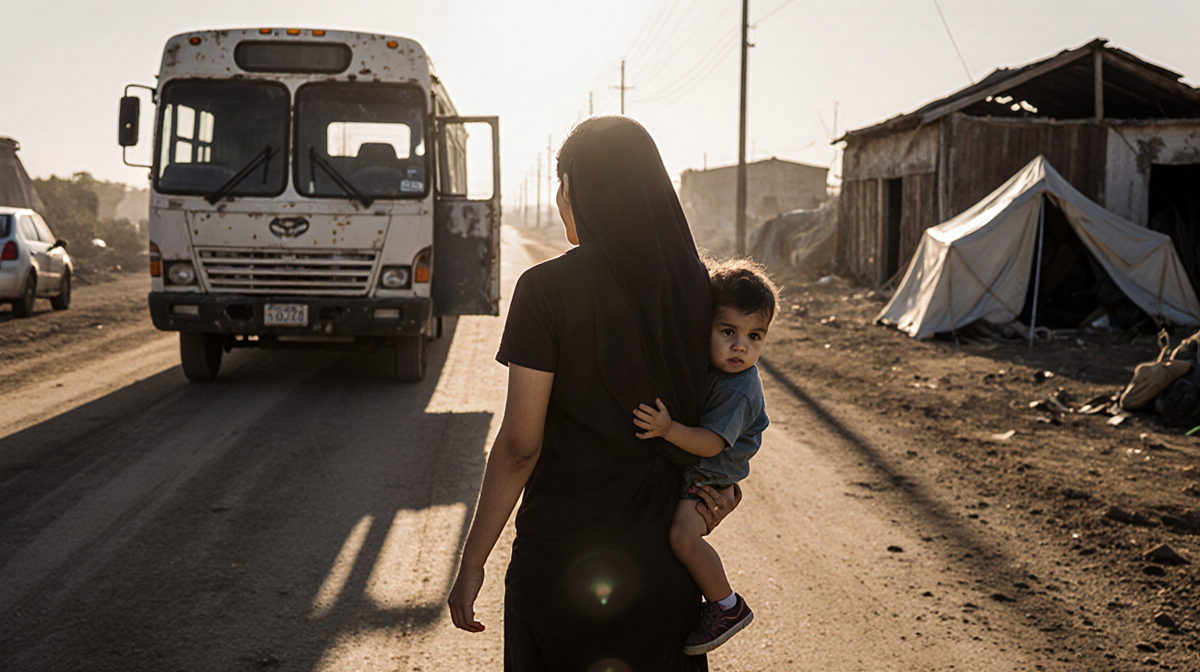
- A 22-year-old Venezuelan mother was sent to Villahermosa on Jan. 1 after a two-and-a-half-day journey.
- Nearly 14,000 Venezuelans were flown back to their home country in 2024.
- Why it matters: Families face uncertainty, danger, and a lack of aid in a third country.
Migrants returning to Mexico after U.S. deportations are finding themselves in remote, insecure areas with little guidance. A Venezuelan mother, who asked to remain anonymous, described her sudden arrival in a secluded city in Southern Mexico. Her story is one of many that point to a growing problem of deported migrants being stranded far from help.
A Journey Through Borders
The mother was deported on Jan. 1 from Pennsylvania, moved to Texas, and then sent to Mexico. She said the trip from the U.S.-Mexico border to southern Mexico took “two and a half days.”
During the flight, she and her 3-year-old son were held in a U.S. detention center before being transferred to a Mexican bus. The journey was described as exhausting and disorienting, with no clear destination or support.
The Mexican Route to Villahermosa
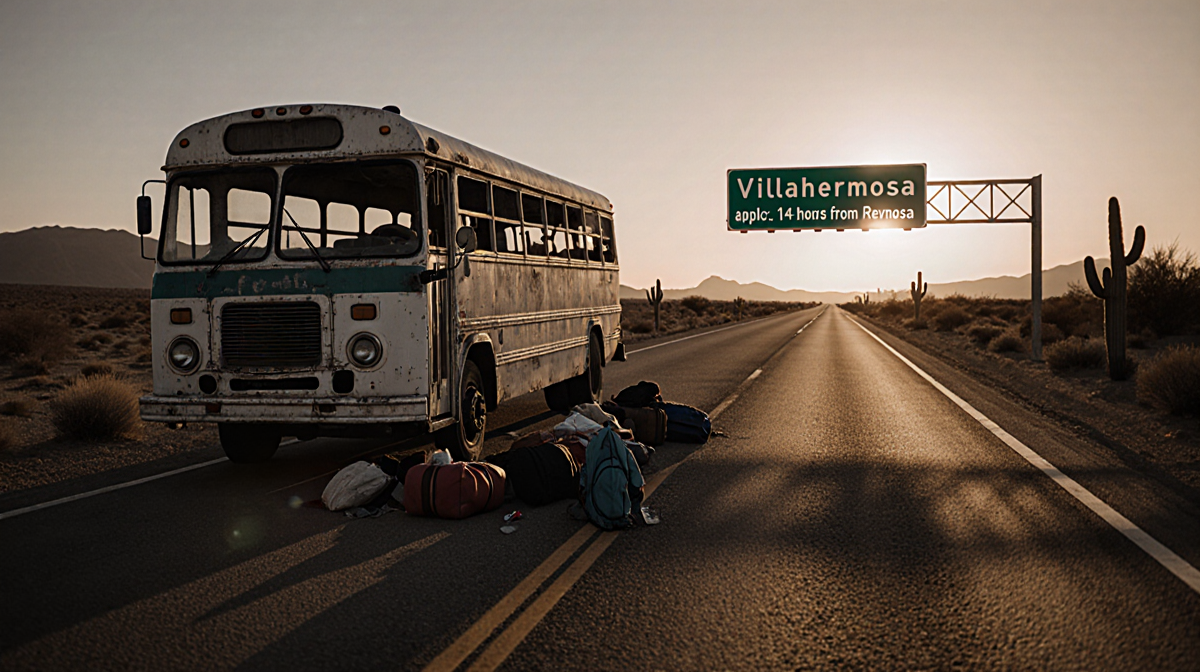
Human rights groups say that Villahermosa has become a common landing spot for deported migrants. The city is located about 14 to 16 hours south of Reynosa, the border town where migrants are processed.
According to July Rodríguez, founder of Apoyo a Migrantes Venezolanos, deported migrants are typically given food and held for about two hours before being bused south. With traffic, the trip can exceed 24 hours, and many are dropped off in unsafe areas.
Rodríguez warned that “the reality is that it doesn’t always happen” when migrants are supposed to be taken directly to Villahermosa’s immigration processing center. Some are left overnight in places with high insecurity.
Shelter Surge in Villahermosa
The Amparito Shelter, run by Josue Martinez Leal, has seen a noticeable rise in Venezuelan nationals arriving after deportation. Many are families, including women traveling with young children.
In 2025, Martinez said the shelter also received Cuban, Honduran, Salvadoran, Colombian, and Haitian migrants. He suspects Villahermosa is chosen because of its proximity to Guatemala, possibly encouraging migrants to continue south.
The shelter staff reports that many newcomers have lived in the U.S. for years, only to be returned to a country they barely know. The lack of immediate support networks leaves them vulnerable.
U.S. Deportations to Venezuela
Human Rights First reported that between February and December, nearly 14,000 Venezuelans were carried back to their home country on deportation flights, including children.
The U.S. Department of Homeland Security has not responded to questions about its policies regarding Venezuelan deportations. Martinez worries about what lies ahead for migrants now in a “third country” without an immediate support network.
The young mother said returning to Venezuela is not an option. She fled an abusive relationship and hopes to build a safer future for herself and her son.
Calls for Answers
NBC6 reached out to state and federal Mexican authorities to ask why Villahermosa is being used as a deportation destination, but received no response.
The U.S. Department of Homeland Security also did not answer questions about its policies regarding Venezuelan deportations. Human rights groups continue to press for transparency and better support for displaced families.
Key Takeaways
- Migrants are stranded in remote parts of Southern Mexico with little guidance.
- Villahermosa has become a common drop-off point, but the process is inconsistent and dangerous.
- The U.S. has flown nearly 14,000 Venezuelans back to their homeland in 2024.
- Shelters in Villahermosa are overwhelmed, and families lack immediate support.
- Authorities in both Mexico and the U.S. have not provided clear answers.
The situation underscores the need for coordinated efforts to protect migrants and ensure they receive the help they need after deportation.