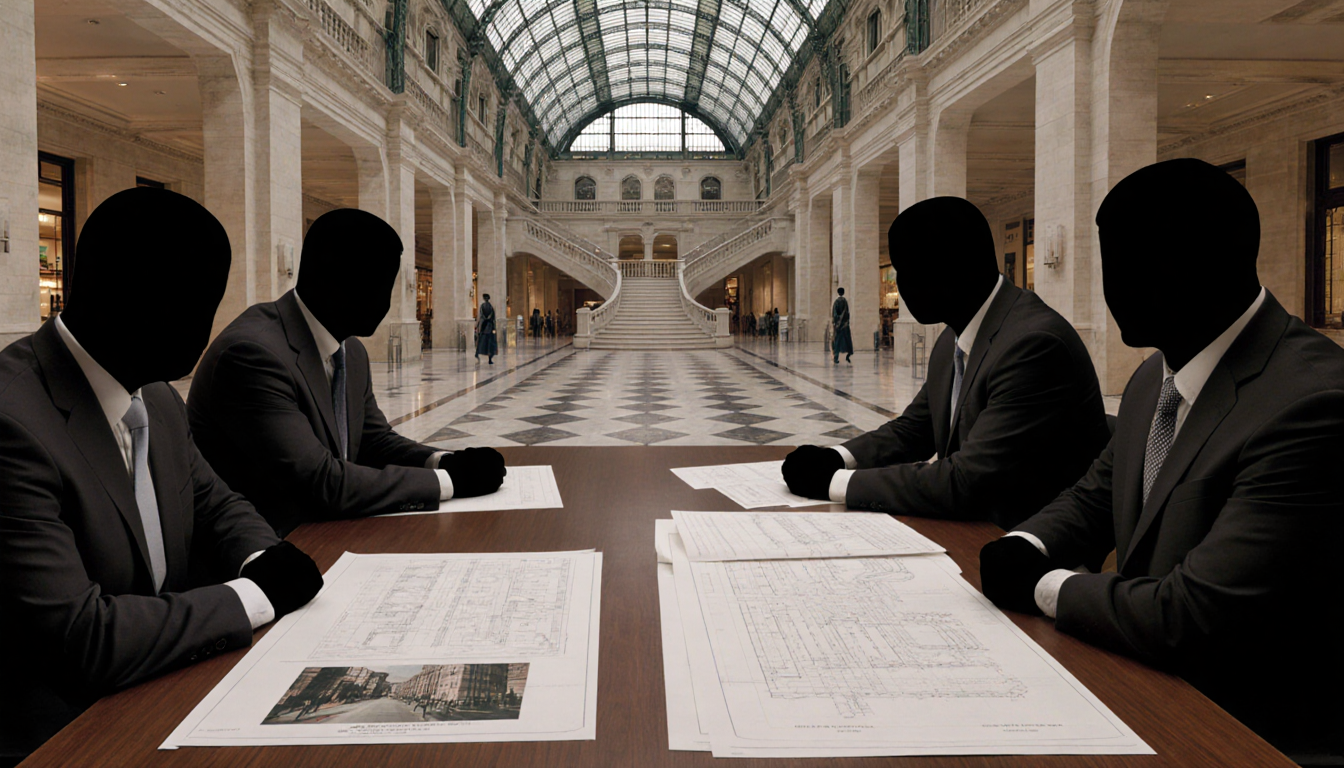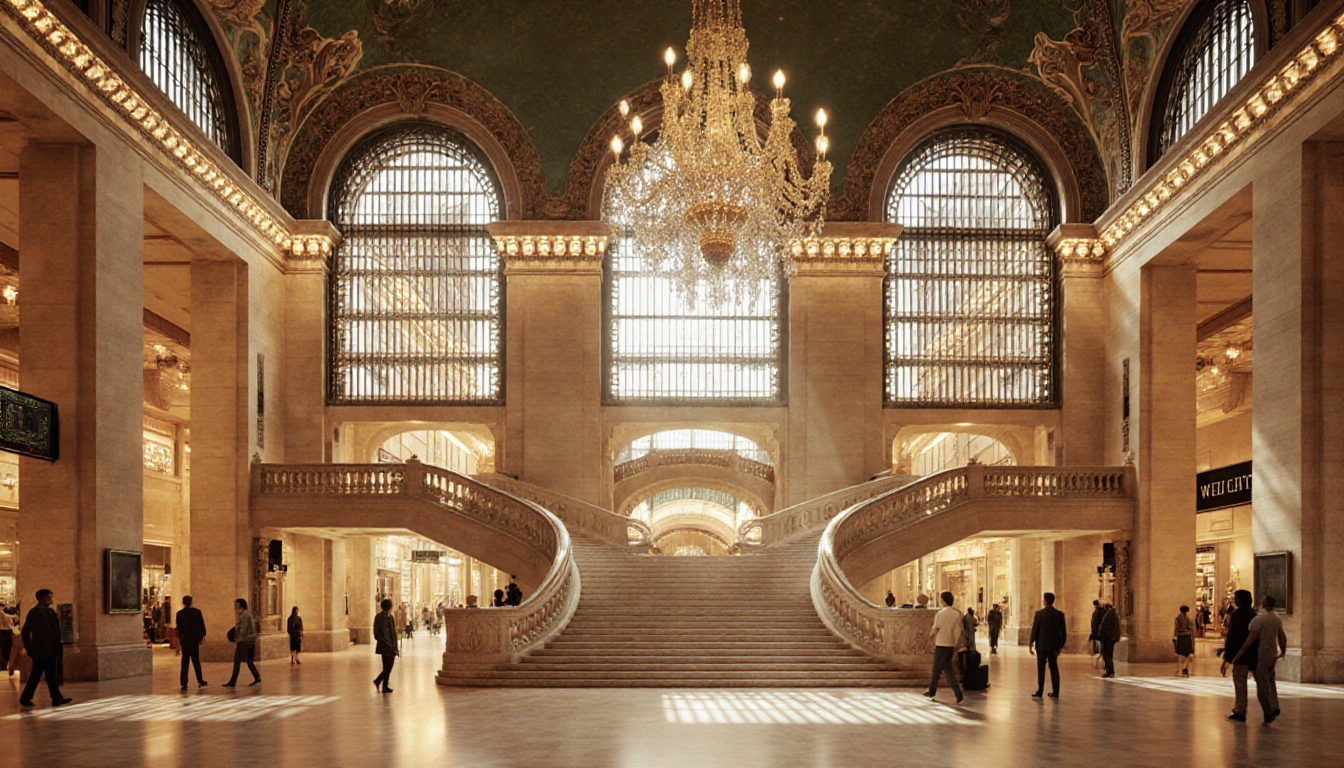

Renderings released by the building’s owner give a rare glimpse into how Philadelphia’s iconic Wanamaker Building could look in the future.
The 13th Street landmark, built in 1911, has earned the status of a National Historic Landmark. It has long been a centerpiece of Center City’s commercial and cultural life. The building’s storied past includes a former Macy’s department store on its lower levels. Its architectural and historical significance has attracted visitors for more than a century.
New Plans for the Wanamaker Building
The new proposal calls for the former Macy’s space on the first three floors to be divided into several smaller retail stores. This subdivision would allow a diverse mix of shops to occupy the space, potentially revitalizing the storefronts. The design retains the historic façade while introducing modern storefront windows.
Most of the upper floors are slated for conversion into loft apartments. Residents would benefit from spacious units that incorporate historic detailing. The conversion would create a mixed‑use environment that blends living spaces with the building’s retail core.
In addition to retail and residential uses, the proposal includes a rooftop bar. The bar would offer panoramic views of the city skyline and provide a social venue for residents and visitors alike. The rooftop space would be designed to complement the building’s historic aesthetic.
The renderings released by the owner illustrate the proposed changes in detail. They show how the building’s exterior will be updated while preserving key historic elements. The visual representation provides stakeholders with a concrete sense of the building’s future configuration.
Approval and Timeline
Before construction can begin, the plans must receive approval from the Philadelphia Historical Commission. The commission’s review will assess how the proposed changes align with preservation standards. The commission’s decision is a critical step in the redevelopment process.
If the commission grants approval, construction could commence early next year. The timeline indicates a swift transition from approval to construction. The project’s schedule reflects the owner’s eagerness to move forward with the redevelopment.
Historic Features
The building continues to house several historic treasures.
• The massive Wanamaker organ, a celebrated instrument with thousands of pipes, remains a centerpiece of the interior.
• The beloved Eagle statue perched atop the façade draws attention from passersby.
• The Crystal Tea Room serves as Philadelphia’s largest banquet hall, hosting events and gatherings.
• The Dickens Village and Holiday Light Show, an annual tradition, attracts visitors each winter.
Significance
As a National Historic Landmark, the Wanamaker Building stands as a testament to early 20th‑century architecture and Philadelphia’s commercial heritage. Its preservation and adaptive reuse reflect the city’s commitment to maintaining its historic fabric while accommodating contemporary needs. The building’s continued relevance underscores its cultural significance.
Community Reaction
Local residents and preservationists have expressed enthusiasm about the proposed redevelopment. Many hope that the project will revitalize the area while respecting the building’s storied past. The community’s support is seen as a positive indicator for the project’s future.
Preservation Considerations
The proposal emphasizes preserving key historic elements, such as the organ, statue, and interior spaces, while introducing new uses. Preservation considerations are woven into the design to maintain the building’s architectural integrity. The plan seeks to balance modern functionality with historic character.
Owner’s Vision
The owner’s vision is to blend modern use with historic preservation, creating a mixed‑use space that serves both residents and the broader community. This approach reflects a broader trend of adaptive reuse in downtown Philadelphia. The project aims to honor the building’s legacy while ensuring its continued vitality.
Looking Ahead
The Wanamaker Building’s future hinges on the Philadelphia Historical Commission’s decision. Once approved, the redevelopment could begin early next year, bringing new retail, residential, and social spaces to the historic landmark. The project represents a potential new chapter for one of Philadelphia’s most iconic structures.