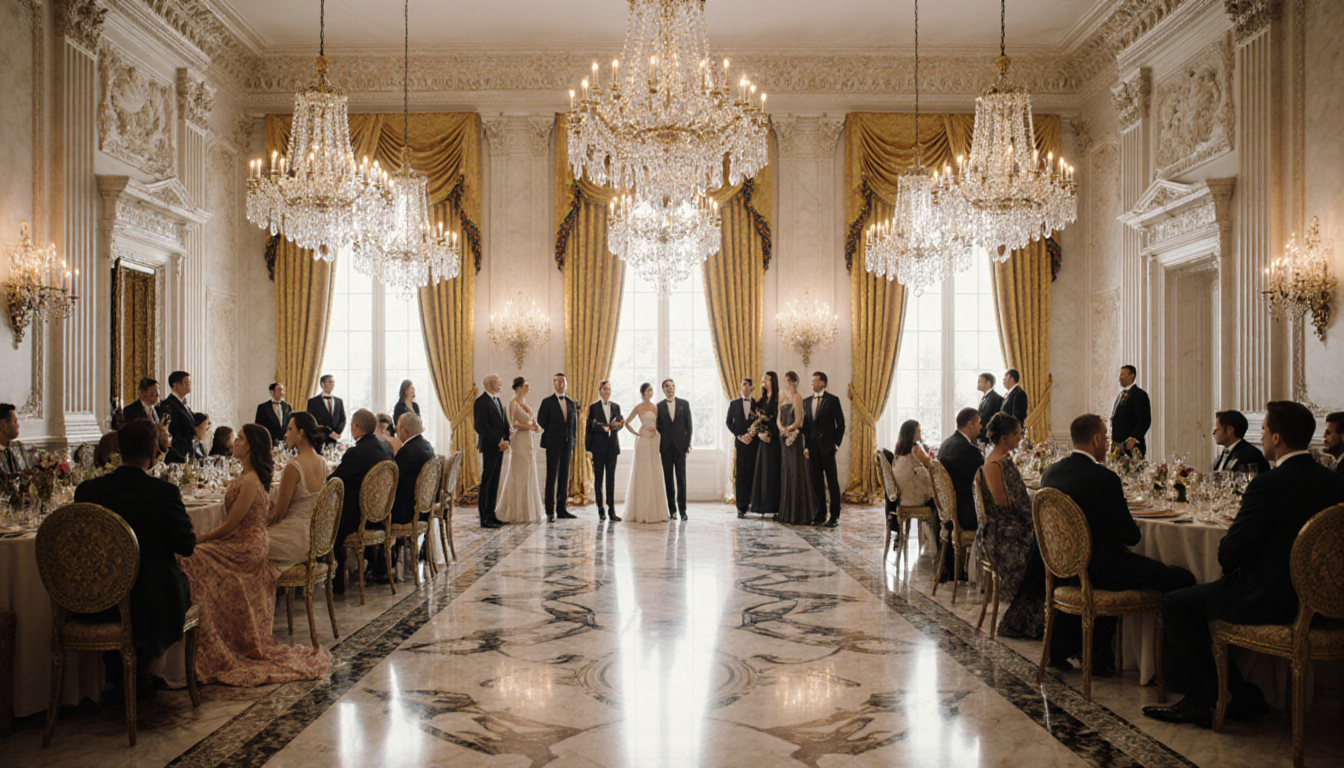

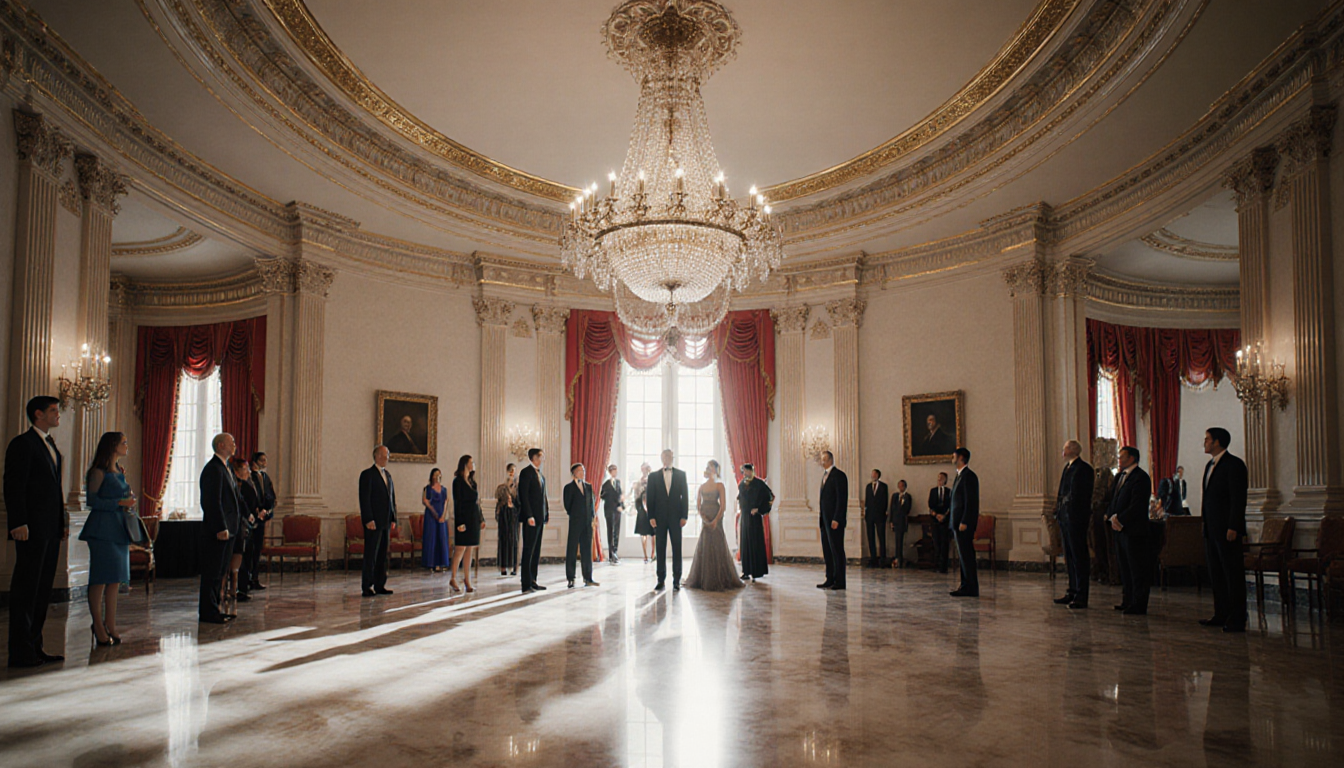
President Donald Trump shared new images of the planned White House ballroom, which is expected to serve as a venue for official events. The images were released on Friday, coinciding with a lawsuit filed by preservationists seeking an architecture review and congressional approval of the project.
The lawsuit and the National Trust’s claims
The National Trust for Historic Preservation has asked a federal court to halt the ballroom construction until it undergoes comprehensive design reviews, public comments, and secures congressional approval. The organization argues that Trump’s fast‑tracking of the project violates the Administrative Procedures Act and the National Environmental Policy Act, and exceeds his constitutional authority.
Trump’s past building actions
Trump’s previous actions set a precedent for bypassing federal building protocols. He razed the East Wing of the White House, sidestepping the usual building practices and historical reviews, and recently hired a new architectural firm to design a ballroom that would be nearly twice the size of the entire White House.
Trump’s statements on the ballroom
Trump has repeatedly stated that a ballroom is overdue for the White House. He has complained that events are held outdoors under a tent and that guests would get their feet wet if it rained, underscoring his desire for an indoor venue.
Timeline for plans submission
According to the National Trust, the White House is expected to submit the ballroom plans to a federal planning commission before the year ends, roughly three months after construction began. The timing of the submission is central to the legal dispute, as the court case hinges on whether the project can proceed without the required approvals.
Will Scharf’s comments
Will Scharf, named by Trump as chairman of the National Capital Planning Commission, addressed the panel’s monthly meeting last week. He said he was informed by White House colleagues that the long‑awaited plans would be filed in December, and that once plans are submitted, that’s really when the role of this commission, and its professional staff, will begin,” said Scharf. Scharf also emphasized that the review process would happen at a “normal and deliberative pace.”
Funding and donor contributions
The project’s financial backing has attracted attention from major donors. Comcast Corp., the parent company of NBCUniversal, appears on a list of top donors, though the exact amount contributed remains unclear.
Legal implications and future precedent
Trump has stated that the roughly $300 million cost of the ballroom will be covered by his personal funds and contributions from donors. The reliance on private and donor money has prompted questions about the project’s compliance with federal funding regulations.
The lawsuit’s outcome could set a precedent for how presidential construction projects are reviewed. If the court grants the National Trust’s request, the ballroom would be halted until it satisfies all procedural and congressional requirements.
Conversely, a ruling in favor of Trump would affirm the president’s ability to expedite construction projects without the standard oversight. Such a decision could influence future executive actions on federal properties.
The case also highlights the tension between executive initiative and historic preservation mandates. Preservationists argue that the ballroom’s scale and lack of review threaten the integrity of the White House’s historic fabric.
White House officials have maintained that the ballroom will enhance the building’s functionality for official events. They assert that the design incorporates modern standards while respecting the site’s historical significance.
The federal court will consider the legal arguments presented by both sides, including the applicability of the Administrative Procedures Act and the National Environmental Policy Act. It will also weigh the constitutional limits on the president’s authority over federal property.
The National Trust’s request for an injunction is pending, and the court’s decision will be closely watched by both preservationists and supporters of the president. Stakeholders anticipate that the ruling will clarify the balance between executive power and historic preservation.
As the legal battle unfolds, the White House continues to work on the ballroom’s design, with plans slated for submission in December, while the court deliberates on whether to halt construction until all approvals are secured. The outcome will determine whether the project proceeds or is paused pending compliance with federal procedures.