

At a Glance
- Power outages can be caused by storms, heat waves, wildfires, or a delivery driver.
- Preparedness is the safest way to survive a blackout.
- Experts recommend an emergency kit, backup power, and clear evacuation routes.
- Why it matters: Knowing how to prepare can keep families safe and reduce stress during outages.
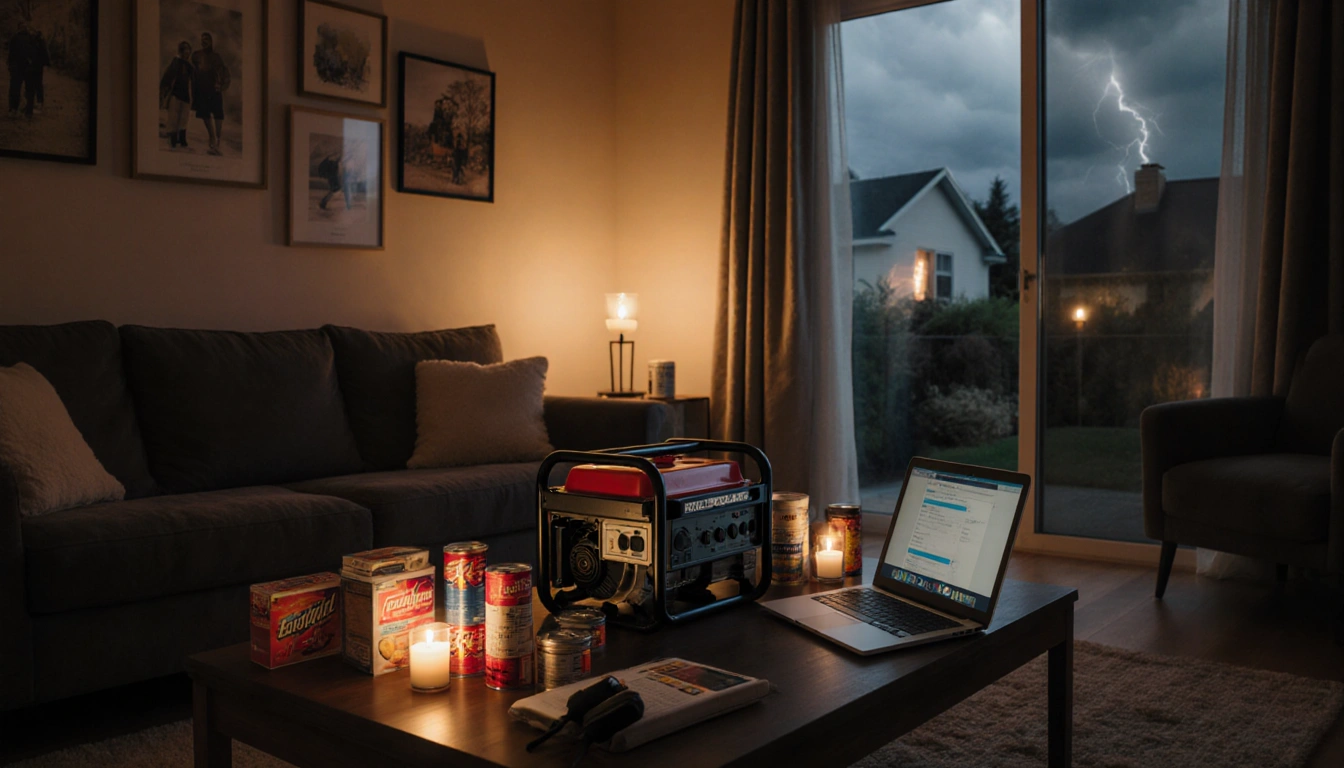
Power outages happen for many reasons-from natural disasters to accidental line damage. How you prepare determines whether you stay safe or face danger.
Before the Blackout
Experts say the first step is to assess your household’s special needs. Michael Coe said:
> “An ounce of prevention is worth a pound of cure.”
He added that people with medical devices should notify their utility and explore backup batteries. Denise Everhart said:
> “Is your 6-year-old really going to eat a cold can of chili?”
She warns that the right food depends on family preferences. The emergency kit should include:
- Two weeks of food, water, pet supplies and medicine
- Cash for a week in case ATMs and credit cards fail
- Flashlights, glow sticks or battery lanterns
- Backup phone batteries and charger cords
- Blankets for cold weather or extra water for hot weather
- Phone numbers written down in case your phone dies
- Solar-powered or hand-crank radio for emergency alerts
During the Outage
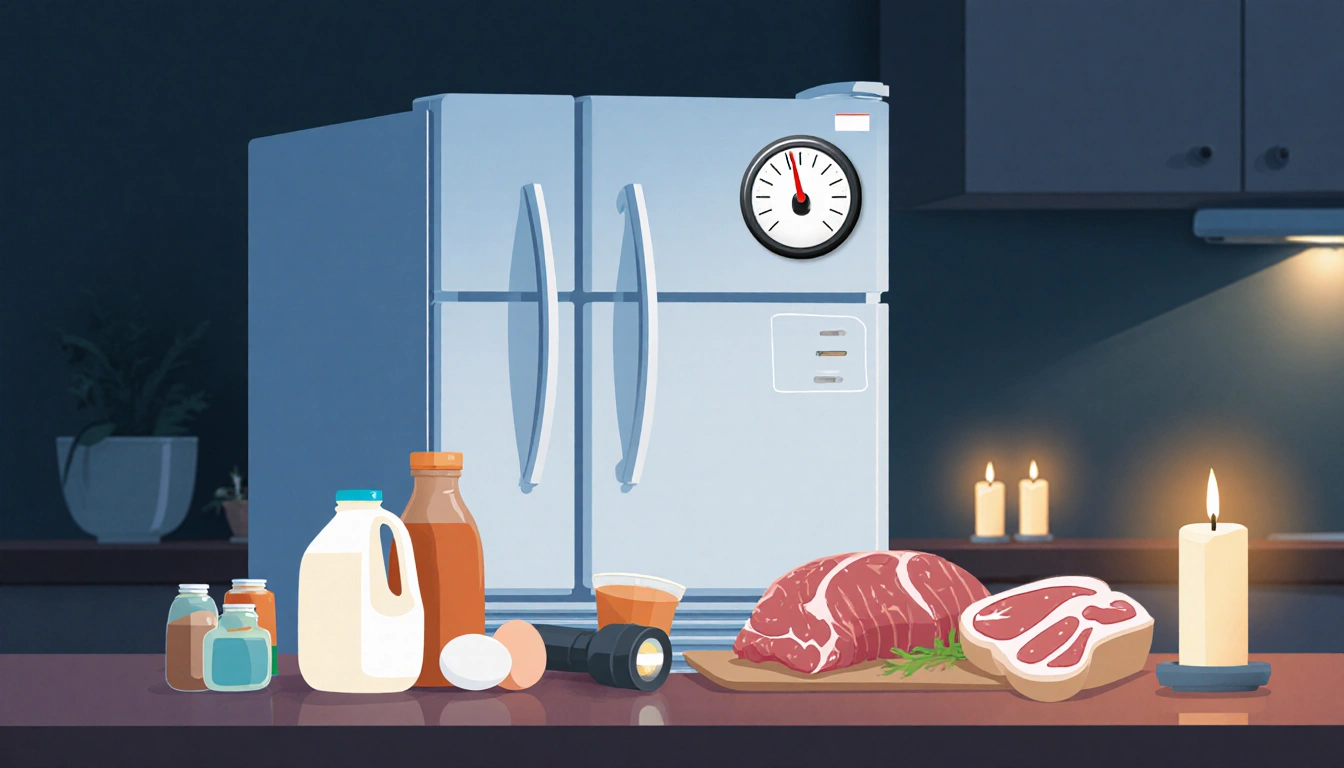
Keep the fridge door closed to preserve cold food; it can stay cool for up to four hours in a refrigerator and 48 hours in a freezer. Michael Coe said:
> “There are ways to provide backup batteries or other types of energy so that if there is some type of power shut-off, that they wouldn’t be affected.”
Check water safety before using it; the Red Cross emergency app lists boil-water notices. Warmth can come from existing fireplaces, furnaces, hand warmers, heated jackets, battery-powered blankets, or portable propane heaters. Denise Everhart warned:
> “Don’t leave a space heater or candles unattended because that can cause a house fire, and don’t bring a generator inside because it can cause carbon monoxide poisoning.”
If temperatures make staying inside unsafe, Matthew Gonzales said:
> “If it’s too hot or too cold to stay safe with what you’ve got, then it’s time to leave. But before you do, check on your neighbors if you’re able to.”
Planning for the Next Outage
The best time to plan is when no imminent threat looms. Consider these steps:
- Figure out how to open your garage door when the power’s out.
- Keep all keys and paperwork in one place for quick evacuation.
- Develop a backup evacuation route if the main path is closed.
- For public transport users, learn the emergency routes.
- Save for a larger generator; portable models that supply 5,000-10,000 watts cost $500-$1,000.
- Explore solar battery storage or reverse EV charging.
- Agree on contact methods if phones and internet fail.
Denise Everhart summed up preparedness:
> “Have a kit, have a plan, have a way to get notified, and a way to notify people. That’s really preparedness in a nutshell.”
Key Takeaways
- Prepare an emergency kit with food, water, cash, and communication tools.
- Use backup power and keep the fridge closed to extend food safety.
- Plan evacuation routes and keep essential documents in one spot.
Staying prepared turns a blackout from a crisis into a manageable situation.