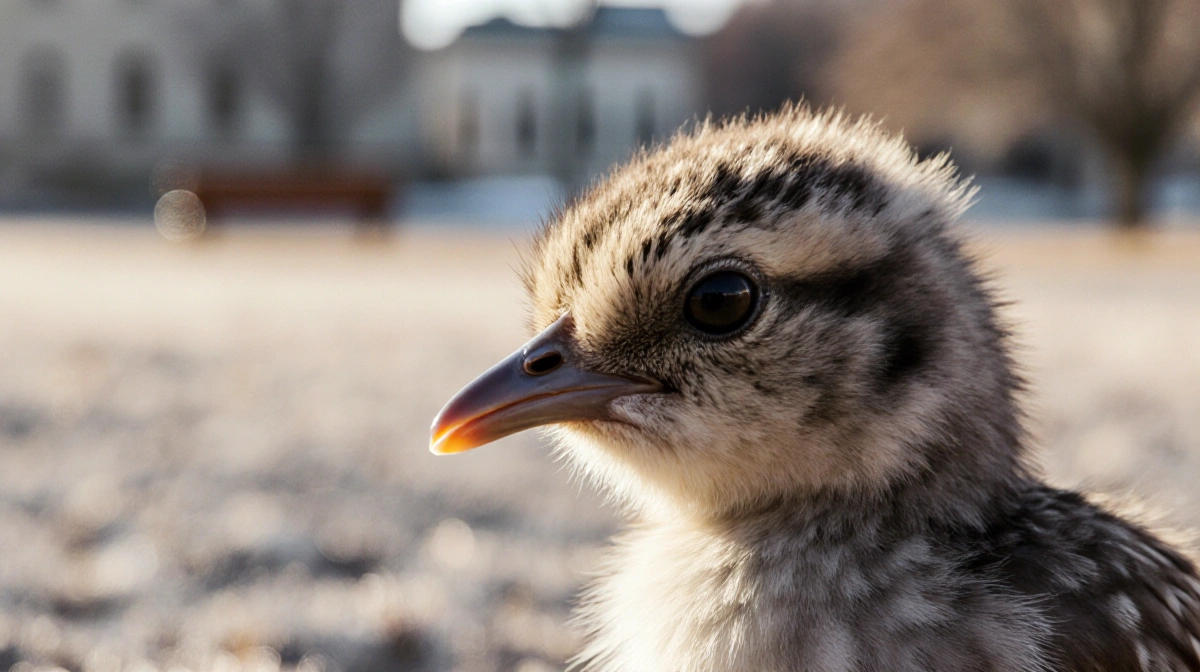

At a Glance
- Dark-eyed juncos’ beaks lengthened during the pandemic and shortened again as campuses reopened.
- The changes were observed in chicks born between 2021 and 2024.
- The study shows rapid evolution in response to human activity.
- Why it matters: It demonstrates how quickly wildlife can adapt morphologically when human food sources shift.
The pandemic’s abrupt shift in human presence on university campuses sparked a surprising evolutionary response in dark-eyed juncos. Researchers at UCLA and Bard College documented that the birds’ beaks grew longer when campus food sources vanished, then became shorter as students returned. The findings highlight how quickly animal traits can change in reaction to human behavior.
Pandemic-Driven Beak Change
In 2021, roughly a year after the pandemic began, the team noted that nestlings had longer, slimmer bills. This shift mirrored the beak shape of juncos that live farther from human influence. The change likely improved foraging success on scarce campus scraps.
Pamela Yeh said:
> “We have this idea of evolution as slow because, in general, over evolutionary time, it is slow.”
Ellie Diamant said:
> “We were quite shocked, to be honest, when we saw just how strong that change was.”
Return of Human Activity
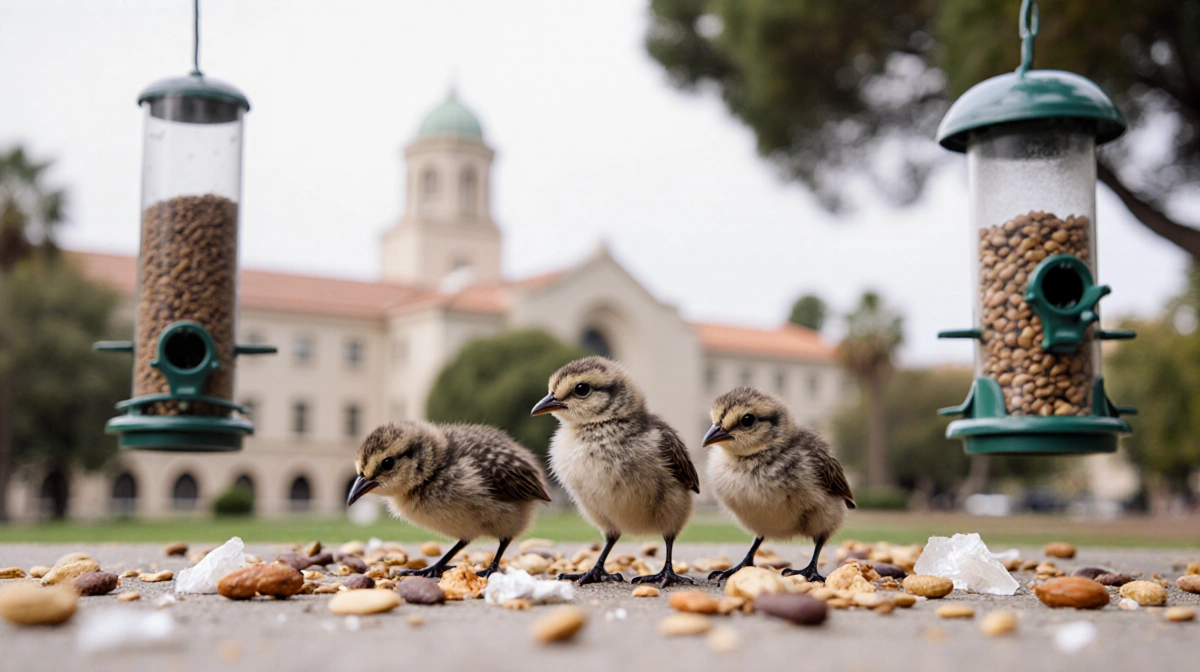
As restrictions eased and UCLA returned to normal, researchers observed a rapid re-shrinkage of the beaks in chicks born between 2023 and 2024. The beaks returned to the stubbier form typical of urban juncos that feed on human food waste. This quick reversal underscores the birds’ ability to adapt to shifting food availability.
| Year | Beak Shape | Context |
|---|---|---|
| 2021 | Longer, slimmer | Campus largely empty |
| 2023-24 | Stubbier, shorter | Campus bustling |
Graciela Gómez Nicola said:
> “It is remarkable evidence of these birds’ rapid ability to adapt to changes in their environment and food resources.”
Why It Matters
The study offers a rare glimpse of evolution in real time, showing that human presence can both lengthen and shorten bird beaks within a single generation. It reminds us that wildlife is more responsive to our actions than we often realize.
Pamela Yeh said:
> “I don’t feel like we have a lot of success stories when we think about how human behavior affects wildlife.”
Key Takeaways
- Dark-eyed juncos’ beaks changed length within a single generation in response to human activity.
- The beak length increased during campus closures and shortened again as campus life resumed.
- The rapid morphological shift illustrates that wildlife can adapt quickly to human-driven environmental changes.