
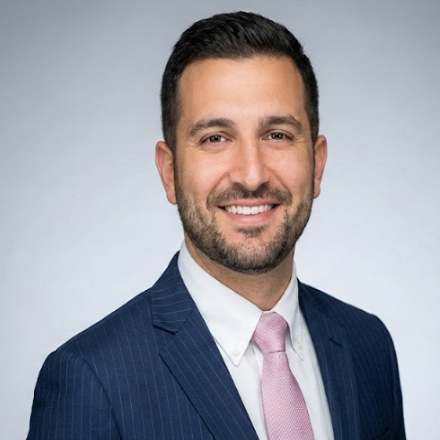
Mohammad Bakri, a Palestinian director and actor, died at 72. The 72-year-old, who had worked in both Arabic and Hebrew, passed away after a battle with heart and lung problems. His death was announced by his family on Wednesday.
A Legacy of Film and Advocacy
Bakri’s career spanned more than four decades and crossed cultural borders. He studied at Tel Aviv University and performed in Israel’s national theater in Tel Aviv. In the 1980s and 1990s he appeared in a number of prominent Israeli films, acting in Hebrew and helping to humanize Palestinian characters.
He also created the 1986 one-man show “The Pessoptimist”, based on the writings of Palestinian author Emile Habiby, which explored the complexities of holding both Israeli and Palestinian identities.
The Controversial Documentary
In 2003 Bakri directed “Jenin, Jenin”, a documentary about the Israeli military operation in the northern West Bank city of Jenin during the second Palestinian intifada. The film portrayed the heavy destruction and heartbreak of its Palestinian residents. It was banned by Israel and became a polarizing piece of work.
The film sparked almost two decades of legal battles. In 2022 Israel’s Supreme Court upheld the ban, ruling that the documentary defamed Israeli soldiers. The court ordered Bakri to pay tens of thousands of dollars in damages to an Israeli military officer for defamation.
Later Career and International Recognition
Bakri continued to act and direct after the controversy. He appeared in the 2025 drama “All That’s Left of You”, which chronicles a Palestinian family over more than 76 years. He shared the screen with his sons, Adam and Saleh Bakri, who are also actors. The film was shortlisted by the Academy Awards for the best international feature film.
Legal Battles and Supreme Court Ruling
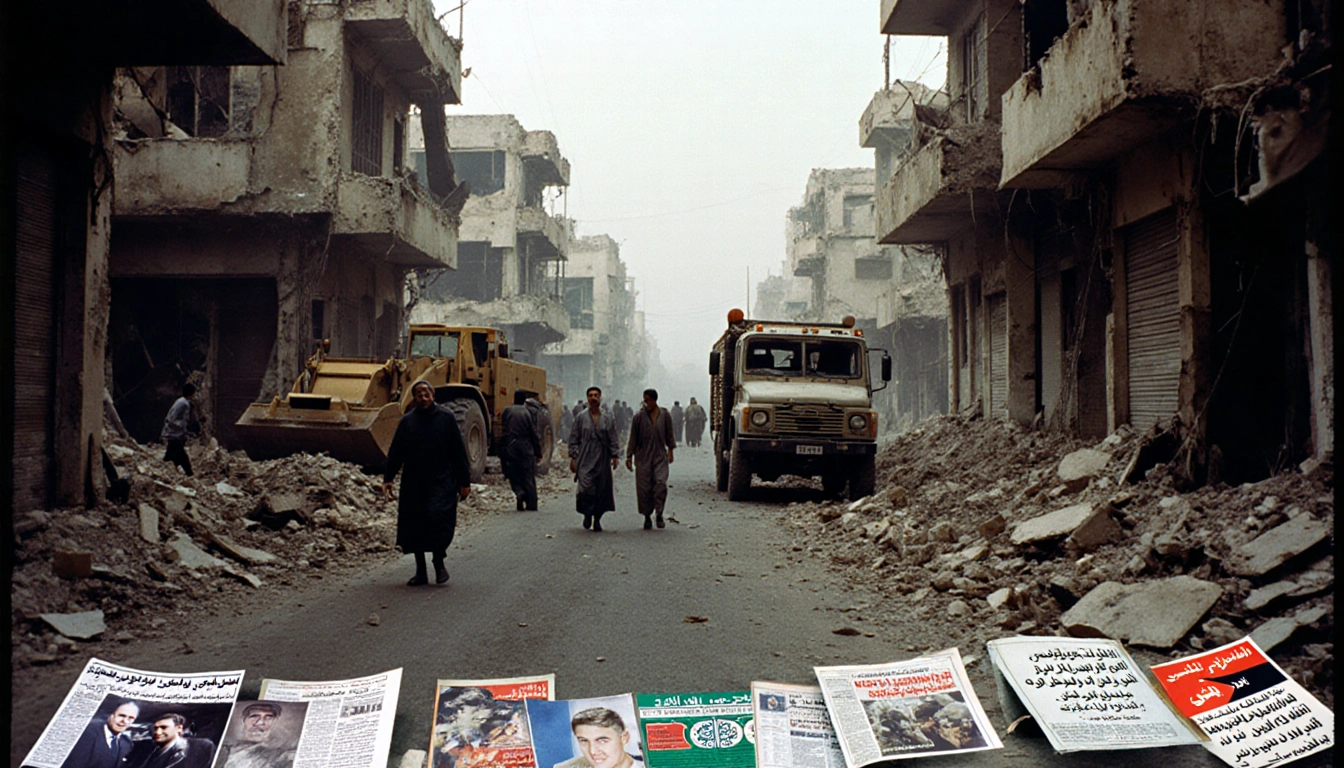
The Supreme Court decision in 2022 was a turning point. According to professor Raya Morag of the Hebrew University of Jerusalem, the ban highlighted how Bakri’s work was seen as unbalanced and inciting. Morag said, “He broke stereotypes about how Israelis looked at Palestinians, and allowing someone Palestinian to be regarded as a hero in Israeli society,” and added, “He was a very brave person, and he was brave by standing to his ideals, choosing not to be conformist in any way, and paying the price in both societies.”
Morag further noted that Bakri never worked with mainstream Israeli cinema again and remained loyal to himself despite pressures from both sides, describing him as a firm voice that did not change over the years.
Personal Life and Family
Bakri was born in northern Israel and held Israeli citizenship. He was known for his tenacious advocacy of Palestinian people, using his works to express support for his community.
Local media quoted his family, who said he died Wednesday after suffering from heart and lung problems. His cousin Rafic told the Arabic news site Al-Jarmaq that Bakri was a tenacious advocate of the Palestinians and used his works to express support for his people. Rafic said, “I am certain that Abu Saleh will remain in the memory of Palestinian people everywhere and all people of the free world,” using Mohammed Bakri’s nickname.
Key Takeaways
- Mohammad Bakri, a Palestinian director and actor, died at 72 after heart and lung problems.
- His 2003 documentary “Jenin, Jenin” was banned by Israel and led to a Supreme Court ruling in 2022 ordering damages for defamation.
- The 2025 film “All That’s Left of You” was shortlisted for the Academy Awards and featured Bakri alongside his sons.
Closing
Mohammad Bakri’s life and work illustrate the complex interplay between art, identity, and politics. His legacy continues through his films and the voices he amplified, leaving an indelible mark on both Palestinian and Israeli cultural landscapes.