

At a Glance
- Night owls have a 79% higher prevalence of poor heart health than the average person.
- Women with a late chronotype show stronger heart-health risks than men.
- The study followed nearly 323,000 UK adults over a median of 14 years.
- Why it matters: Knowing how sleep timing affects heart disease could guide lifestyle changes and clinical advice.
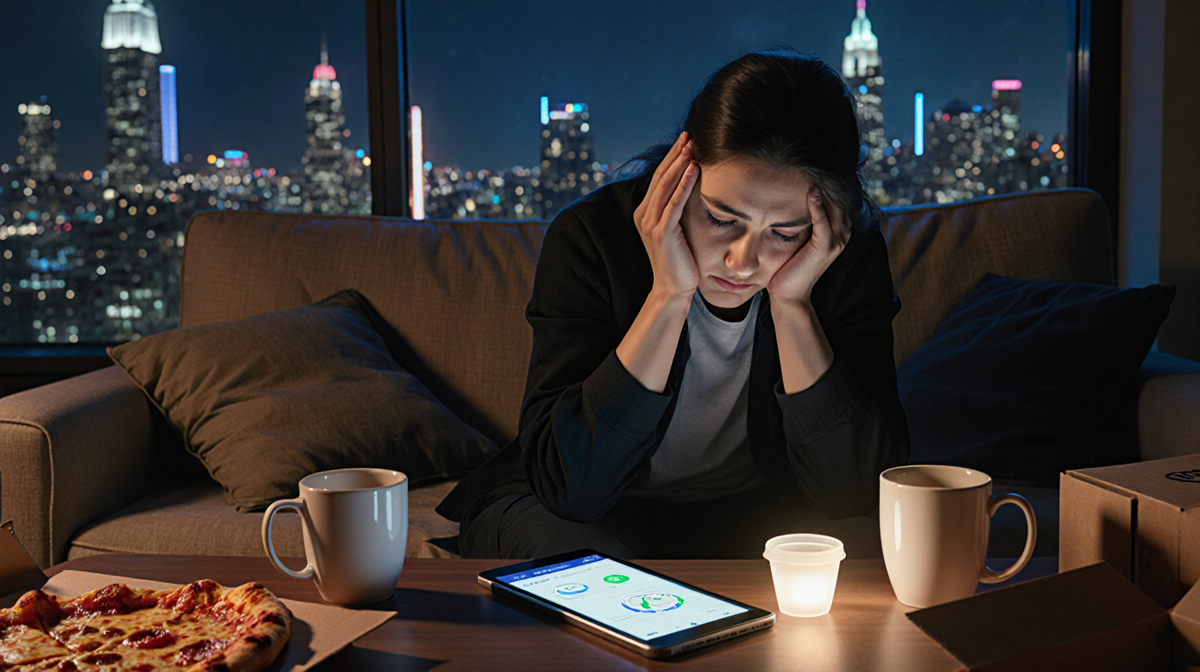
Night owls-people who naturally stay up late-may be at a higher risk for heart disease than those who wake early, according to a new study published in the Journal of the American Heart Association.
The research, which examined the health and behaviors of almost 323,000 adults in the UK Biobank, found that those who identified as evening chronotypes were more likely to have poor heart-health scores and a higher risk of heart attacks or strokes over a 14-year follow-up.
Study Findings
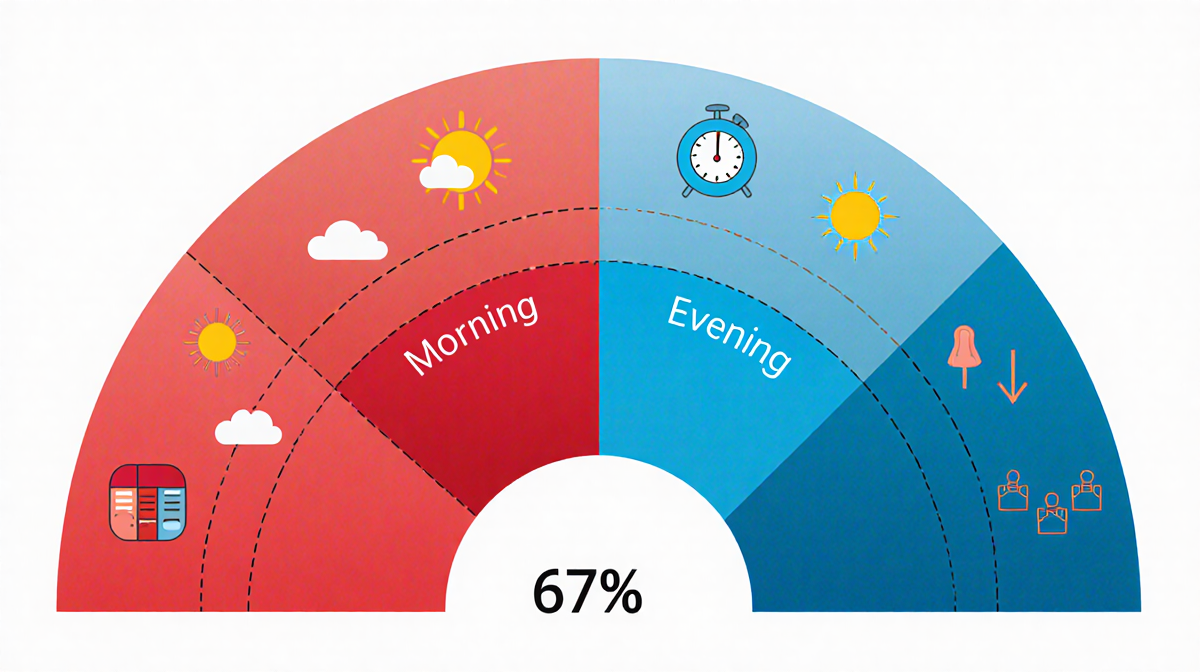
The study categorized participants by their chronotype: morning, intermediate, or evening. About 24% said they were morning people, 8% were evening people, and the remaining 67% fell somewhere in between.
Using the American Heart Association’s Life’s Essential 8 metrics, researchers assigned each participant a heart-health score from 0 to 100. The average score was 67.4.
- Women scored higher (70) than men (65).
- Night owls had a 79% higher prevalence of poor heart health (score < 50) compared with the intermediate group.
- Early birds had a 5% lower prevalence.
- Over the follow-up period, night owls had a 16% higher risk of heart attacks or strokes.
Lead author Sina Kianersi explained that the link between chronotype and heart health is mediated by the overall health profile of night owls, not just their sleep timing.
> “It’s not just that chronotype alone has something that raises night owls’ risk for cardiovascular disease,” Kianersi said. “But it is through that profile, or that poor cardiovascular health, that it causes that increased [heart disease] risk.”
How Sleep Affects Heart Health
Heart disease remains the leading cause of death in the U.S., killing one person every 34 seconds. The American Heart Association (AHA) now includes sleep as a pillar of cardiovascular health.
The AHA recommends adults get 7-9 hours of quality sleep nightly. Adequate sleep helps the body regenerate tissues and regulate stress hormones like cortisol, which can contribute to heart disease.
Dr. Maha Alattar, medical director of the VCU Health Center for Sleep Medicine, emphasized that sleep is essential for cellular maintenance:
> “Every single biological cell and tissue in the body depends on sleep to be able to maintain itself during wakefulness.”
Long-term sleep deficits can raise stress hormones, increase blood pressure, and worsen metabolic markers-all risk factors for cardiovascular disease.
What Night Owls Can Do
While the study’s authors note the link is modest, several modifiable behaviors could reduce risk.
- Get 7-8 hours of sleep each night.
- Quit smoking; nicotine can disrupt circadian rhythms.
- Exercise during daylight to support a natural sleep cycle.
- Stop eating by 8 p.m. at least three hours before bedtime.
- Control light exposure: morning sunlight or blue light, dim or amber light in the evening, and reduce lights 2-3 hours before sleep.
- Avoid caffeine 12 hours before bedtime.
Dr. Phyllis Zee, director of the Center for Circadian and Sleep Medicine at Northwestern University, called herself a “flexible owl” and highlighted that these behaviors are modifiable.
> “All of these things will help you maintain better-quality sleep,” Zee said.
Limitations and Future Directions
The study’s observational design and reliance on self-reported chronotypes limit causal inference. Participants were largely white, middle-aged, and older, and heart-health metrics were measured only once.
Kianersi is now exploring the genetics behind chronotypes and has called for more research to explain why the association was stronger among women.
Dr. Alattar added that the evening sleep chronotype-also known as delayed sleep-wake syndrome-is not curable but manageable. Understanding the link can reduce stigma and help society view night owls not as lazy but as people with a different rhythm.
> “Society thinks of [night owls] as lazy. They’re not lazy; just their rhythm is off.”
Key Takeaways
- Night owls have a higher prevalence of poor heart health and a greater risk of cardiovascular events.
- Women with an evening chronotype are especially vulnerable.
- Sleep quality, smoking, physical activity, and light exposure are modifiable factors that can improve heart health.
- Further research is needed to understand the genetic and gender differences underlying the chronotype-heart health link.
By recognizing the importance of sleep timing and adopting healthier habits, individuals can potentially lower their heart-disease risk, regardless of whether they are morning people or night owls.