
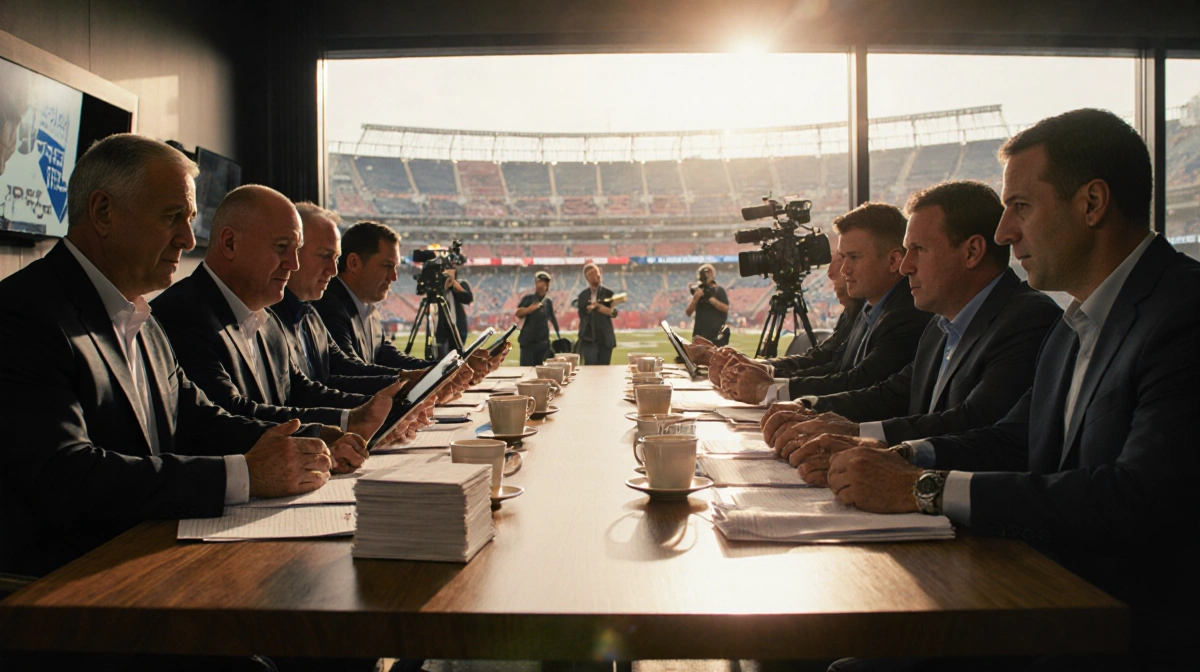
The NFL’s annual coaching carousel spun into overdrive this offseason, with nine franchises hiring new head coaches and multiple teams reshuffling their front offices ahead of the 2026 season.
The league-wide changes span from Atlanta to Washington, with former head coaches getting second chances, longtime assistants earning promotions, and broadcasters returning to the field in executive roles.
New Leadership Across the League
Atlanta Falcons overhauled their football operations with two major moves:
- President of football: Matt Ryan, the former franchise quarterback turned CBS analyst, returns to the organization in a front-office capacity
- Head coach: Kevin Stefanski, previously fired by the Cleveland Browns, gets another opportunity to lead a team after his departure on Black Monday
The Miami Dolphins strengthened their personnel department by hiring Jon-Eric Sullivan as general manager. Sullivan spent his previous 14 seasons with the Green Bay Packers, most recently serving as vice president of player personnel.
In the NFC East, the New York Giants made the splashiest hire of the offseason by luring John Harbaugh away from the Baltimore Ravens. Harbaugh spent 19 seasons in Baltimore, winning Super Bowl XLVII and becoming the winningest coach in franchise history before parting ways with the organization.
The Washington Commanders opted for internal promotion on offense, elevating David Blough from assistant quarterbacks coach to offensive coordinator. Blough, who played quarterback at Purdue and spent time on NFL rosters as a player, has spent the past two seasons working with Washington’s quarterbacks.
Coaching Carousel Continues
The article confirms that Pete Carroll and Kevin Stefanski were among the head coaches fired on Black Monday, the traditional day following the regular season when teams make coaching changes. These dismissals created opportunities for new leadership across the league.
The NFL’s annual turnover affects more than just head coaches. Teams routinely replace coordinators, position coaches, and front office executives as new regimes bring in their preferred staff members. This cascading effect means dozens of football operations personnel change addresses each offseason.
Front Office Moves
Several teams have already made significant changes to their decision-making structure:
• Atlanta Falcons – Hired Matt Ryan as president of football operations
• Miami Dolphins – Promoted Jon-Eric Sullivan to general manager
• Additional hires – The article indicates this list will continue growing as teams finalize agreements
The timing of these moves proves crucial for franchises as they prepare for free agency, the draft, and roster evaluation. New leadership groups typically want their personnel in place before making critical decisions about player retention and acquisition.
What Comes Next
According to News Of Philadelphia, this story will receive updates as additional hires become official. The NFL’s hiring cycle typically extends through February and March as teams complete interviews and negotiate contracts with their preferred candidates.
The article’s publication timing – approximately one hour before the update – suggests the coaching carousel was actively spinning as the information went live. This rapid-fire nature of NFL coaching changes means the landscape can shift dramatically even within a single news cycle.
Impact on 2026 Season
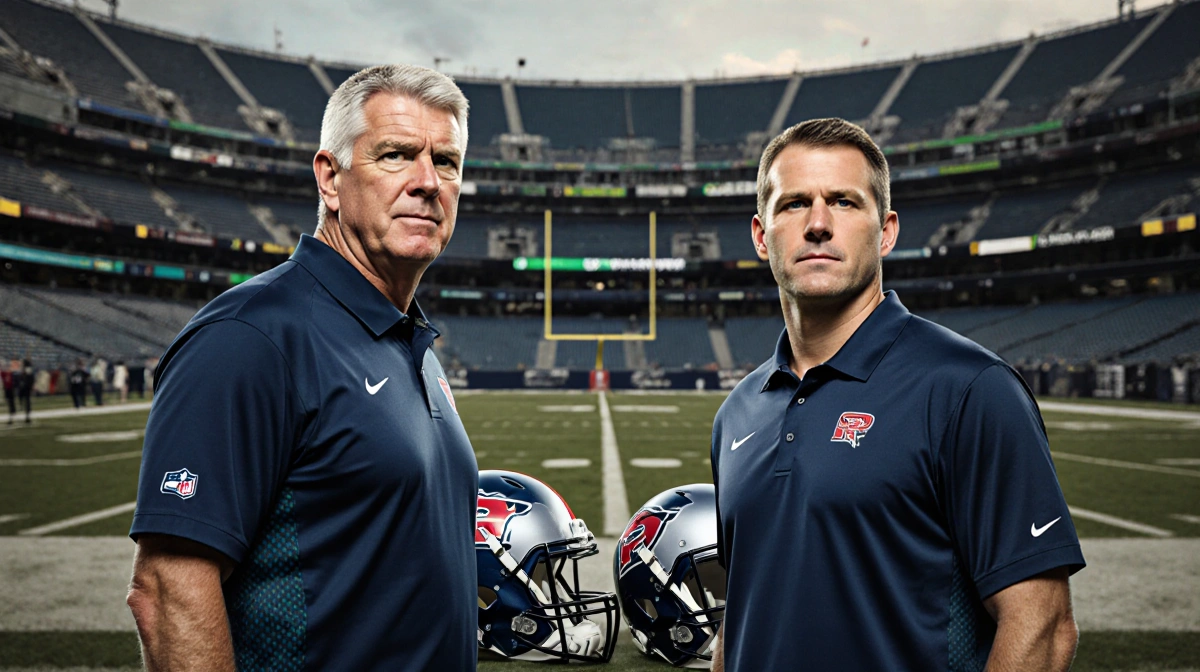
These coaching and front office changes will significantly impact how teams approach roster building, scheme implementation, and game-day decisions. New head coaches typically install their preferred offensive and defensive systems while bringing in coordinators who share their philosophical approach.
The hires also affect player development and evaluation. David Blough’s promotion in Washington, for example, means the Commanders’ quarterbacks will continue working with someone intimately familiar with their strengths and weaknesses from the previous two seasons.
The NFL’s constant evolution extends beyond the playing field, with these leadership changes representing the league’s most visible form of organizational transformation ahead of the 2026 campaign.