
At a Glance
- Thousands of satellites burn up each year, releasing chemicals that erode the ozone layer.
- Researchers propose satellites that survive re-entry to reduce atmospheric damage.
- The new approach trades higher costs and debris risks for lower ozone loss.
- Why it matters: It could reshape how we build and retire space assets, protecting both the planet and future missions.
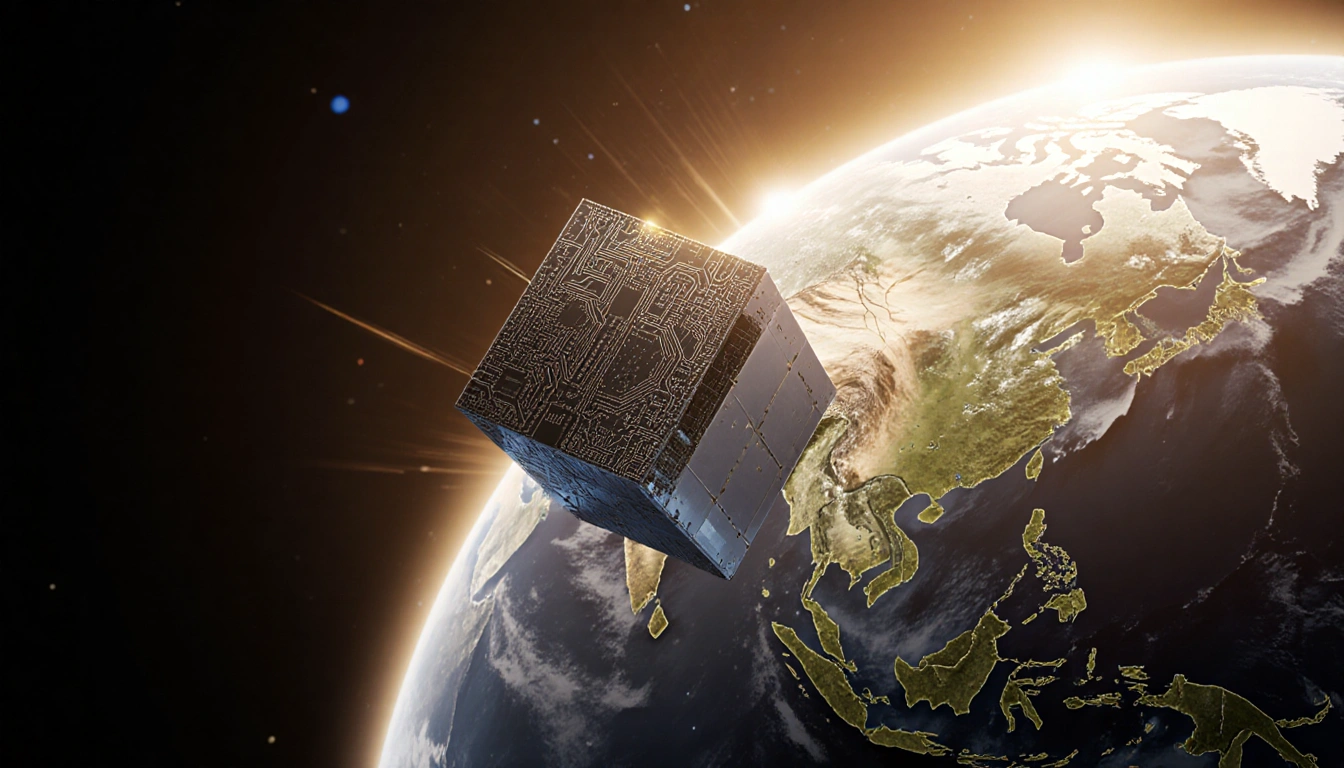
Each year, thousands of satellites re-enter the atmosphere, burning up and spewing chemicals that erode the ozone layer. A team from MaiaSpace, part of ArianeGroup, argues that letting satellites survive re-entry could cut that damage, though it introduces new risks and costs.
The Ozone-Depleting Problem
When satellites burn, they produce tiny particles of aluminum oxide. These oxides catalyze destructive reactions between ozone and atmospheric chlorine, depleting the natural radiation shield.
- A typical 550-pound (250-kilogram) satellite contains about 30 % aluminum by mass.
- Upon re-entry, it can generate roughly 66 pounds (30 kilograms) of aluminum oxide nanoparticles.
- A 2024 study found an eightfold increase in harmful oxides in Earth’s atmosphere over six years.
Design for Non-Demise: A New Strategy
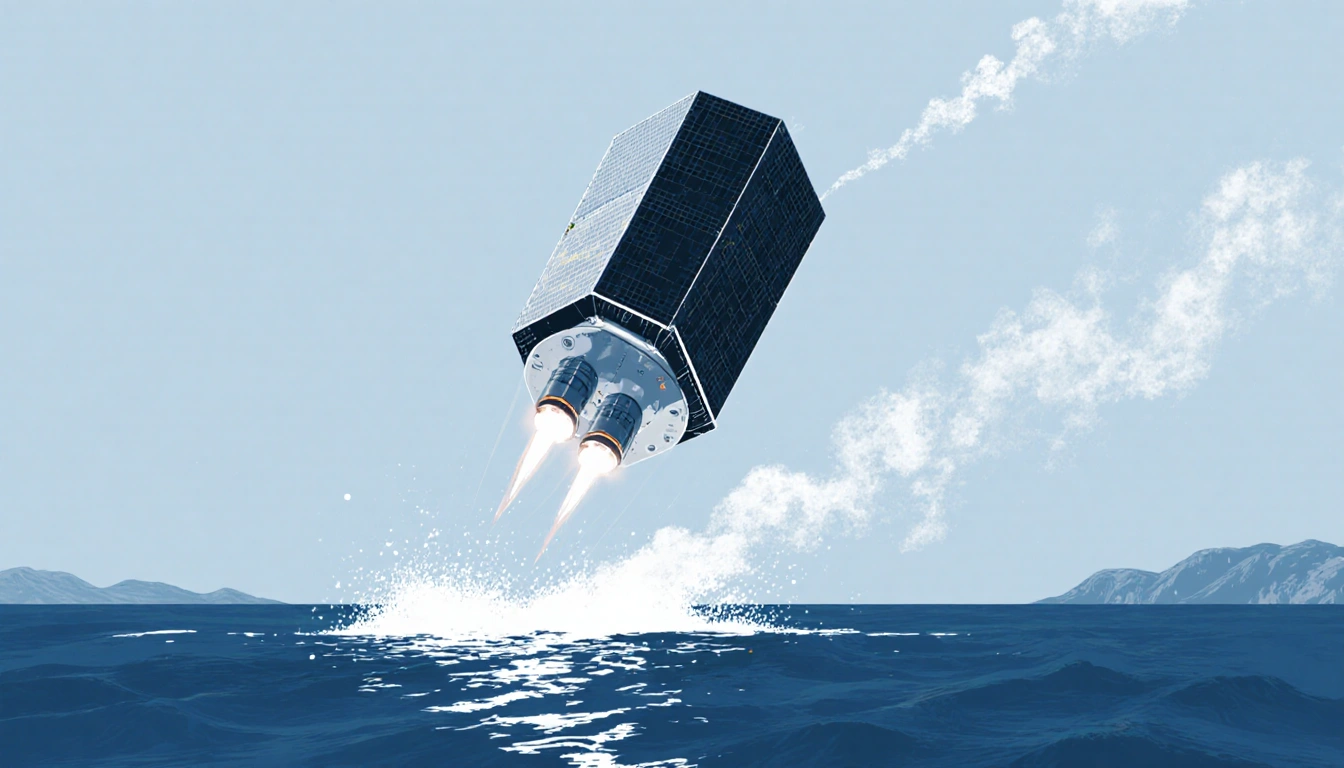
The paper suggests engineering satellites to survive the superheated plunge through Earth’s atmosphere. A controlled re-entry maneuver would aim to keep debris away from populated areas, but the satellites would need to be heavier and equipped with propulsion to land in remote oceanic zones.
- Pros: Lower atmospheric ozone damage, reduced chemical emissions.
- Cons: Higher launch and operational costs, risk of debris falling to Earth.
- Implementation: Requires robust design, additional fuel, and deep-Pacific landing sites.
| Feature | Design for Demise | Design for Non-Demise |
|---|---|---|
| Atmospheric impact | High (aluminum oxide release) | Low (minimal emissions) |
| Debris risk | Low (burns up) | Medium (controlled fall) |
| Cost | Low (lighter payload) | High (heavier, propulsion) |
Antoinette Ott & Christophe Bonnal wrote:
> “Space object designing now face a question: should a vehicle be engineered to burn up completely, implying that surviving debris might increase casualty risk, or should it aim to minimize particle and gas emissions into the atmosphere, thereby limiting long-term environmental damage?”
Key Takeaways
- Satellites that survive re-entry could cut ozone-depleting chemicals.
- The approach adds cost and debris management challenges.
- Balancing environmental and safety concerns will shape future satellite design.
The debate underscores that protecting our planet may require rethinking how we end a satellite’s life, weighing immediate costs against long-term atmospheric health.