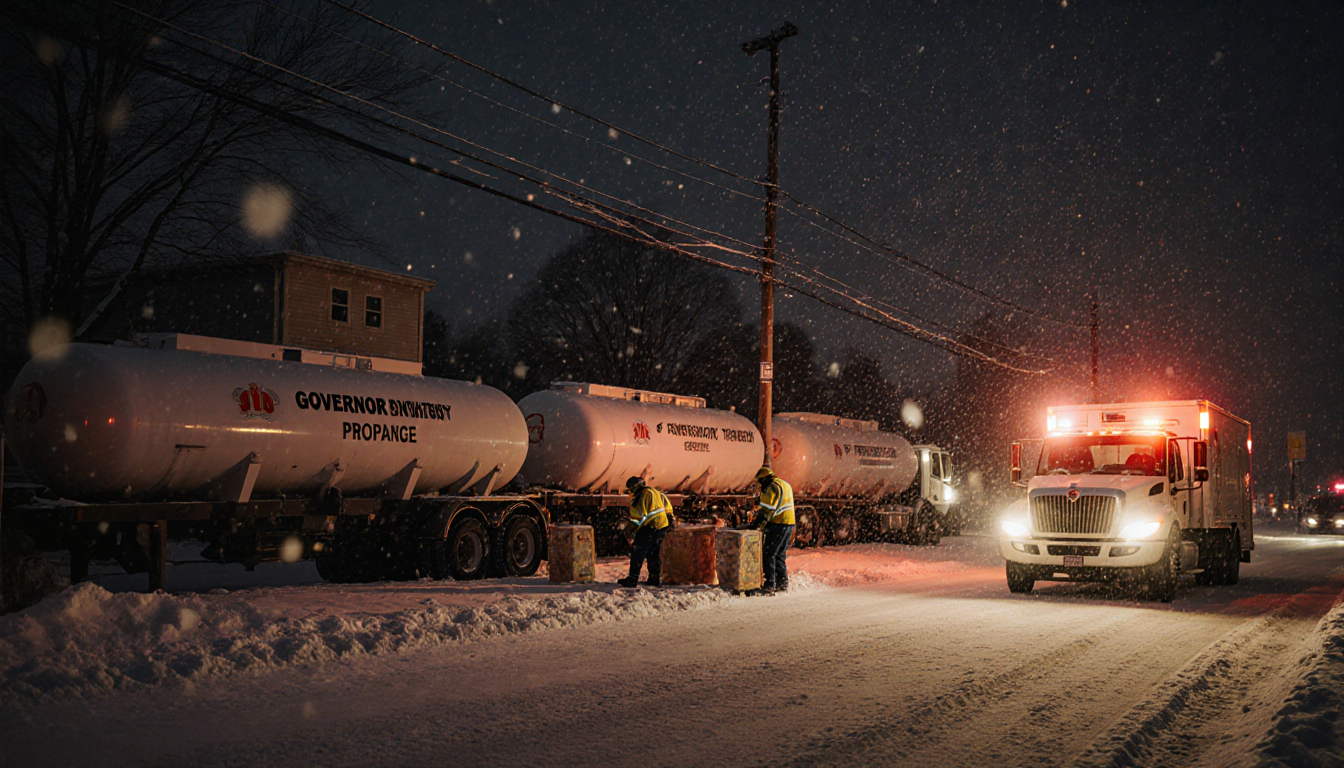

When a propane distribution plant in Marcus Hook, Pennsylvania, experiences a service disruption, the ripple effect threatens to leave 186,000 New Jersey residents without heat as temperatures drop.
Governor Phil Murphy has responded by declaring a State of Emergency to keep homes and businesses supplied.
The order, effective Friday at 9 a.m., expands delivery capabilities to maintain heating during the cold snap.
State of Emergency Declared
The governor announced the emergency order on Thursday, setting its effective date for Friday at 9 a.m.
This action is designed to expedite propane distribution across the state and remove regulatory constraints that could slow delivery.
The declaration reflects the urgency of ensuring residents remain warm during the temperature drop.
The emergency order is a tool that allows the state to act swiftly in response to the disruption.
By declaring a State of Emergency, the governor can coordinate resources and work with fuel distributors to prioritize delivery.
This measure is intended to prevent a widespread heating crisis.
The order also signals to the public that the state is taking concrete steps to address the issue.
It provides a legal framework for emergency actions that can be implemented immediately.
The governor’s office will monitor the situation closely.
Impact on Propane Delivery
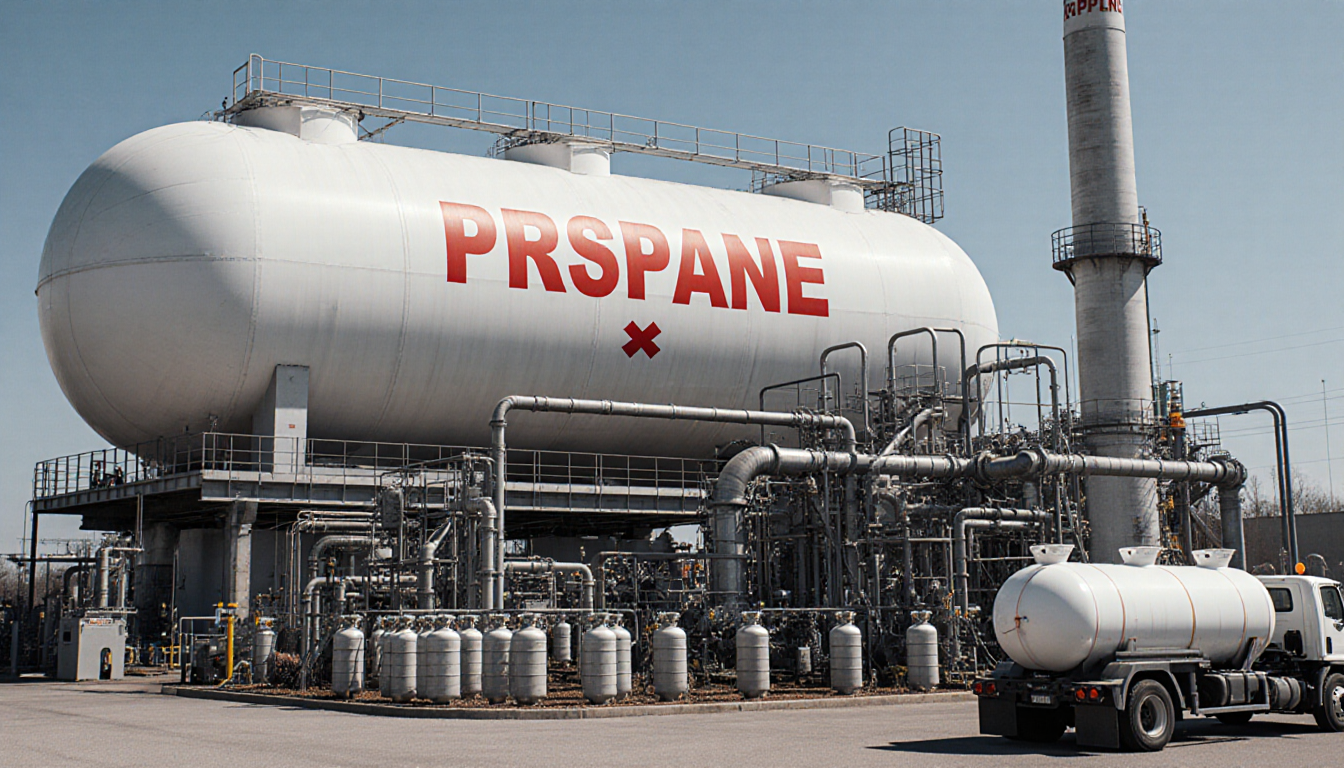
The disruption occurs at a propane distribution plant in Marcus Hook, Pennsylvania, which is a key source for the fuel used in home and commercial heating throughout New Jersey.
As a result, the state anticipates delays that could affect the supply chain for nearly 186,000 residents who rely on propane for heating.
The emergency order is intended to mitigate these potential shortages.
The plant’s output is a critical component of the state’s heating infrastructure.
Without timely delivery, households and businesses may experience interruptions in their propane supply.
The governor’s office has urged distributors to find alternative routes and sources.
The emergency order allows for adjustments in delivery schedules and routes.
It also permits the temporary relaxation of certain regulations to speed up the movement of fuel.
The goal is to keep homes heated and businesses operating.
Governor Murphy’s Statement
In a statement, Governor Murphy said, “As temperatures continue to drop, ensuring that every person has access to a safe, warm environment is essential.”
He added, “I am declaring a State of Emergency to ensure that the approximately 186,000 New Jerseyans who rely on propane for home heating purposes can receive it without interruption. This Executive Order expands delivery capabilities to keep homes heated and families secure.”
The governor emphasized the importance of keeping residents warm during the cold weather.
He highlighted the number of people affected by the propane shortage.
His statement underscores the urgency of the situation.
By declaring the emergency, the governor is using the authority granted by state law.
This action is aimed at preventing any loss of heating for the affected population.
It also serves to reassure the public that the state is actively working on a solution.
Federal Waiver and Driving Time Extension
Under the federal waiver made available during the emergency, the maximum driving time for commercial motor carriers has been extended from 11 to 14 hours.
The waiver also requires that carriers maintain 10 consecutive hours of off‑duty time between driving periods.
This adjustment allows fuel haulers to reach more customers in a shorter timeframe.
The extension of driving hours is a direct response to the need for increased delivery capacity.
It reduces the number of stops and turns required to deliver propane across the state.
This change is intended to shorten delivery times.
The waiver also clarifies that drivers must observe the required off‑duty period.
This ensures that safety standards are maintained while allowing for more efficient transport.
The combination of extended hours and mandated rest is designed to balance speed and safety.
Duration and Conditions of the Order
The emergency order will remain in effect until the situation is determined to no longer exist.
The governor’s office will monitor the propane supply and adjust the order as needed.
Once the service disruption is resolved and deliveries return to normal, the order will be lifted.
The order’s duration is tied directly to the status of the propane distribution network.
If the plant resumes full operation, the need for emergency measures will diminish.
The governor’s office will assess the situation daily.
The emergency order provides a clear exit strategy.
It ensures that the state can return to normal regulatory conditions once the crisis passes.
Residents can expect a gradual return to standard delivery protocols.
Further Information and Resources
New Jersey residents who are affected by the propane delivery issue can find additional information and updates through the state’s official channels.
The governor’s office has provided resources to help residents understand the impact and the steps being taken to address it.
Information is available online and through local news outlets.
Residents are encouraged to stay informed about the status of deliveries and any changes to the emergency order.
The state is committed to keeping the public updated.
The governor’s office has also set up a dedicated hotline for questions related to propane delivery.
This resource is intended to assist those who need immediate assistance.
Residents can use the hotline to report issues or seek guidance.
Propane Distribution Network
The Marcus Hook plant is a key source of propane that feeds the state’s heating system.
It supplies fuel that is used in both residential and commercial heating across New Jersey.
The plant’s output is integral to maintaining continuous supply.
Propane distribution relies on a network of pipelines and storage facilities that move the fuel from production sites to end users.
The plant’s disruption can interrupt the flow of propane to customers.
The state’s emergency order seeks to address this gap.
The distribution network is designed to handle routine demand and occasional spikes.
When a major facility experiences a service interruption, the network must reroute supplies to meet demand.
The emergency order allows for flexibility in routing and scheduling.
Public Safety and Community Impact
Heating is essential for public safety during cold weather.
Without reliable propane, households risk exposure to low temperatures.
The governor’s emergency order aims to prevent such risks.
Vulnerable populations, such as the elderly and low‑income families, are particularly affected by heating shortages.
The emergency order seeks to protect these groups by ensuring continuous fuel delivery.
The governor highlighted the importance of maintaining safe indoor temperatures.
Community members have responded by seeking information and preparing for potential delays.
Local businesses are coordinating with distributors to secure alternative fuel sources.
The state’s emergency action provides a framework for these efforts.
Regulatory Context
Hours‑of‑service regulations govern the maximum time commercial motor carriers can drive within a given period.
The federal waiver allows for an extension of these limits during emergencies.
The governor’s order applies this waiver to the propane delivery situation.
The waiver permits carriers to drive up to 14 hours, an increase from the standard 11 hours.
It also requires a 10‑hour off‑duty period between driving sessions.
This change is intended to streamline fuel transport during the crisis.
By adjusting regulatory limits, the state can increase the number of deliveries made each day.
The waiver also maintains safety by mandating rest periods.
The governor’s office is monitoring compliance with these adjusted rules.
Key Takeaways
- State of Emergency declared to keep 186,000 residents warm amid propane disruption.
- Federal waiver extends commercial driver hours from 11 to 14 hours to speed deliveries.
- Order remains until emergency is resolved and normal propane distribution resumes.
With temperatures continuing to fall, the state’s swift action aims to prevent a heating crisis for thousands of New Jersey households.
Residents are encouraged to stay informed through official updates as the situation evolves.