

At a Glance
- New H3N2 subclade K variant is circulating.
- Flu vaccines still reduce severe outcomes despite mismatch.
- At-home flu tests are now widely available but have limited sensitivity.
- Why it matters: Knowing how to use at-home tests and when to seek care can protect you and those around you during a severe flu season.
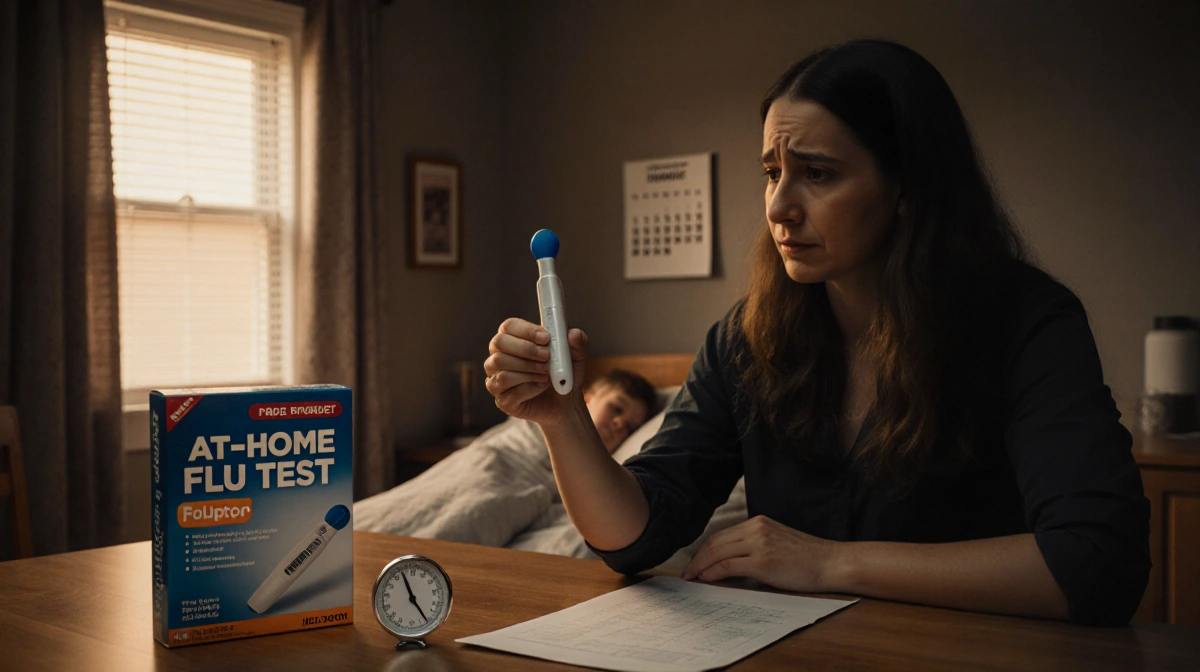
This flu season is shaping up to be one of the toughest in recent memory, with a new H3N2 subclade K variant spreading across the country. While the current vaccines are not a perfect match, they still help curb hospitalizations and deaths. At-home flu tests offer a convenient way to catch the virus early, but their accuracy depends on timing and technique.
New Flu Variant and Vaccine Match
Dr. Benjamin Bradley, assistant professor at the University of Utah School of Medicine, explained that the new subclade K does not align perfectly with the strains in this year’s vaccine. Dr. Benjamin Bradley said:
> “You want to take the test as soon as you become symptomatic. The onset of symptoms coincides with the peak of viral burden, which is when an antigen test is most likely to pick up an infection.”
The vaccine still provides significant protection against hospitalization and death, according to data from other countries.
How At-Home Flu Tests Work
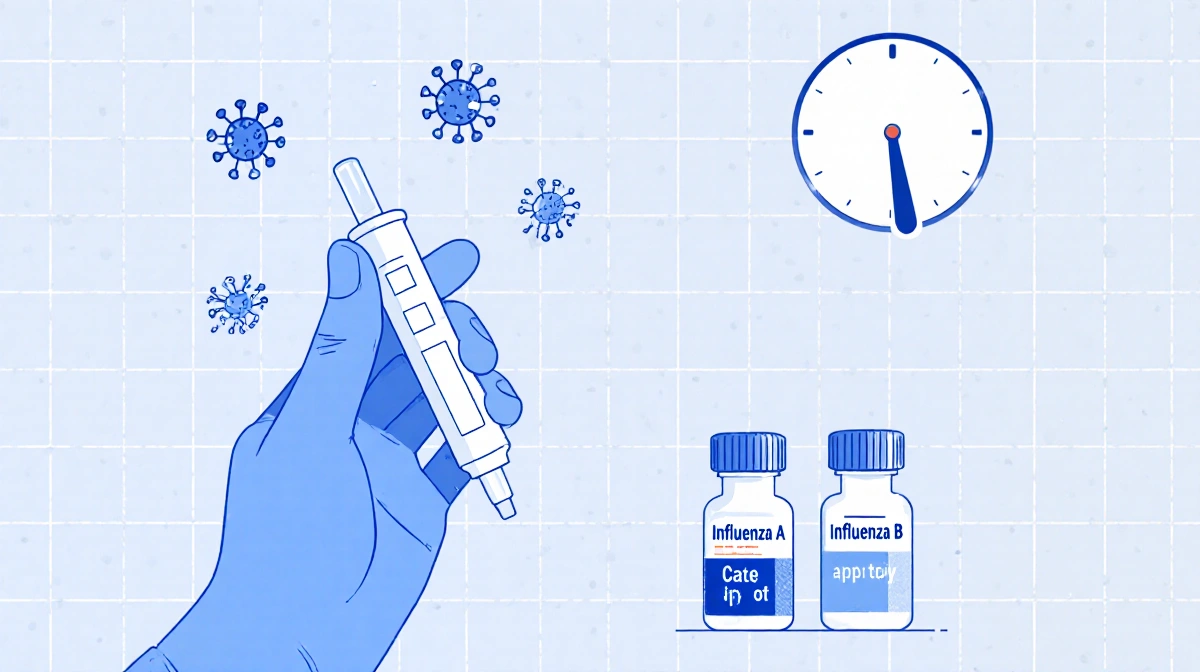
Like at-home COVID kits, these tests detect viral proteins in nasal fluid. They can differentiate between influenza A and B, which can be useful for identifying the H3N2 strain. The tests are most accurate when taken within the first one to two days of symptoms.
Accuracy and Timing
Sensitivity varies by age and timing. Tests are about 50-80% sensitive in children and roughly 50% or less in adults. A 2022 study found a sensitivity of 63% when performed within 72 hours of symptom onset. A recent rapid combined COVID/flu/RSV test had a sensitivity of 54% for flu. The FDA data showed the first authorized test correctly identified 90.5-92% of flu A and B cases.
| Age Group | Sensitivity | Notes |
|---|---|---|
| Children | 50-80% | |
| Adults | ~50% | |
| 2022 study (≤72 h) | 63% | |
| Rapid combined test | 54% |
The performance degrades significantly after 72 hours from symptom onset.
What to Do With Results
If you test negative but still feel ill, double-check that you followed the instructions. Dr. Sheldon Campbell said:
> “If you’re sure you performed the test correctly, keep in mind that you might be too early or too late in your infection for the test to pick it up.”
If a second negative test still leaves you feeling sick, consider other respiratory viruses such as RSV or bacterial pneumonia. Dr. Benjamin Bradley warned:
> “If you test negative, you shouldn’t be done. Treatment could be the difference between going to the hospital or not, or dying or not.”
If you test positive, you can trust the result and seek antiviral medication within the first 48 hours. Dr. Benjamin Bradley said:
> “Those drugs are most effective within the first 48 hours.”
Key Takeaways
- The H3N2 subclade K variant is circulating, but vaccines still reduce severe illness.
- At-home flu tests are convenient but have limited sensitivity, especially after 72 hours.
- Positive results should prompt early antiviral treatment; negative results do not rule out flu or other infections.
This season’s flu surge underscores the importance of timely testing and early treatment to protect yourself and those around you.