
At a Glance
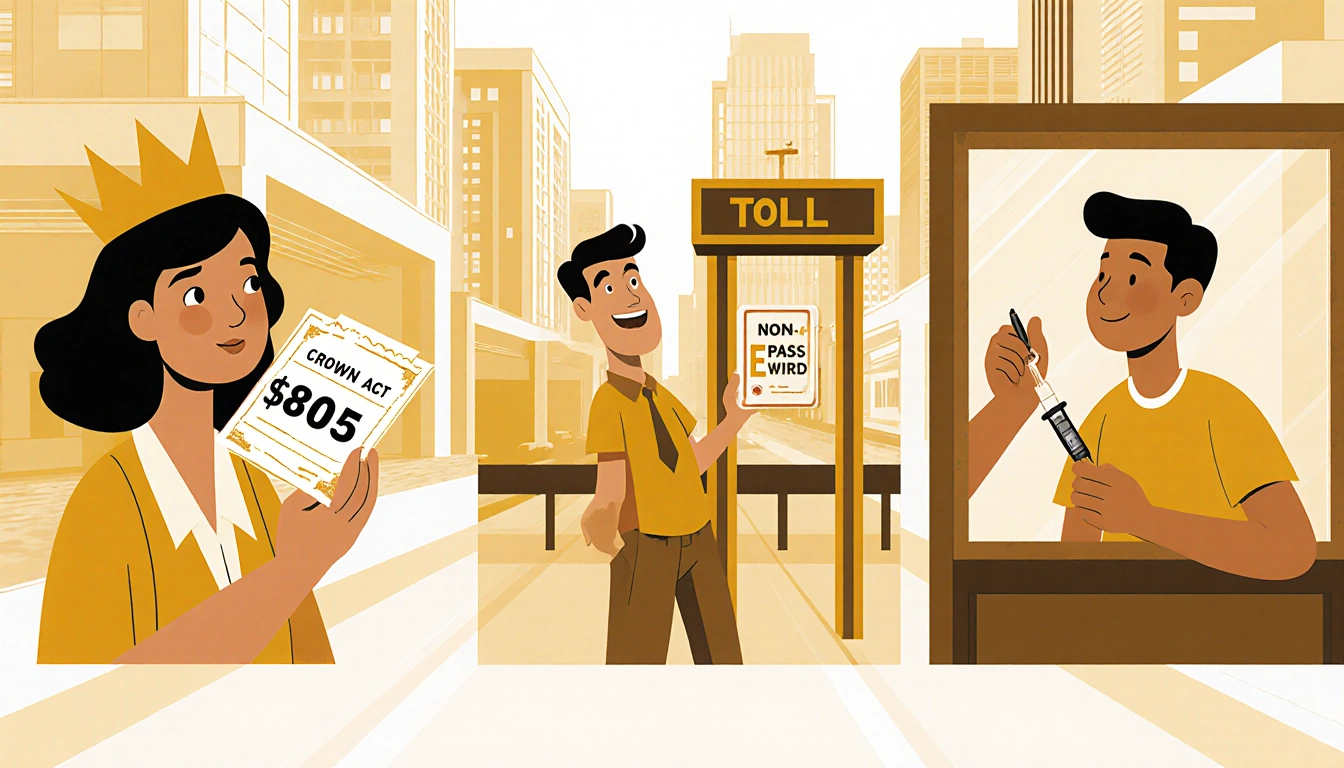
- PA: CROWN Act effective Jan. 27, 2026; new tax credit up to $805.
- NJ: Minimum wage rises to $15.92; tolls up to $5 on non-E-Pass cars.
- DE: Paid leave for health events starts Jan. 1, 2026; dental hygienists can give local anesthesia.
- Why it matters: These laws reshape workplace rights, health coverage, and daily commutes across three states.
A new calendar year brings a wave of legislation across the Mid-Atlantic, with Pennsylvania, New Jersey, and Delaware enacting rules that touch everything from workplace protections to transportation costs. Below is a snapshot of the most significant changes that will take effect in 2026.
Pennsylvania 2026 Laws
Pennsylvania’s new statutes focus on anti-discrimination, tax relief, health coverage, and municipal cleanup. House Bill 439, the state’s CROWN Act, will protect hairstyles such as locks, braids, and twists from workplace bias starting Jan. 27, 2026.
Senate Bill 246 requires schools to notify parents within 24 hours whenever a weapon is found on campus, effective Jan. 6, 2026.
The Working Pennsylvanians Tax Credit, signed into law on Nov. 12, 2025, offers up to $805 to eligible workers and is projected to provide $193 million in relief to 940,000 residents, beginning with the 2026 tax season.
Senate Bill 88 eliminates cost sharing for breast-cancer screening and genetic testing, and mandates coverage of mammograms for those over 40 and mastectomy procedures. The bill takes effect Jan. 23, 2026.
State Senator Frank Farry stated:
> “With Senate Bill 88, Pa. legislators will remove cost sharing for breast cancer screening and genetic testing and will require insurance companies to provide coverage of genetic testing and other methods to foster early detection.”
House Bill 103 gives municipalities authority to remove abandoned boats and imposes fines on owners, effective Jan. 3, 2026.
New Jersey 2026 Laws
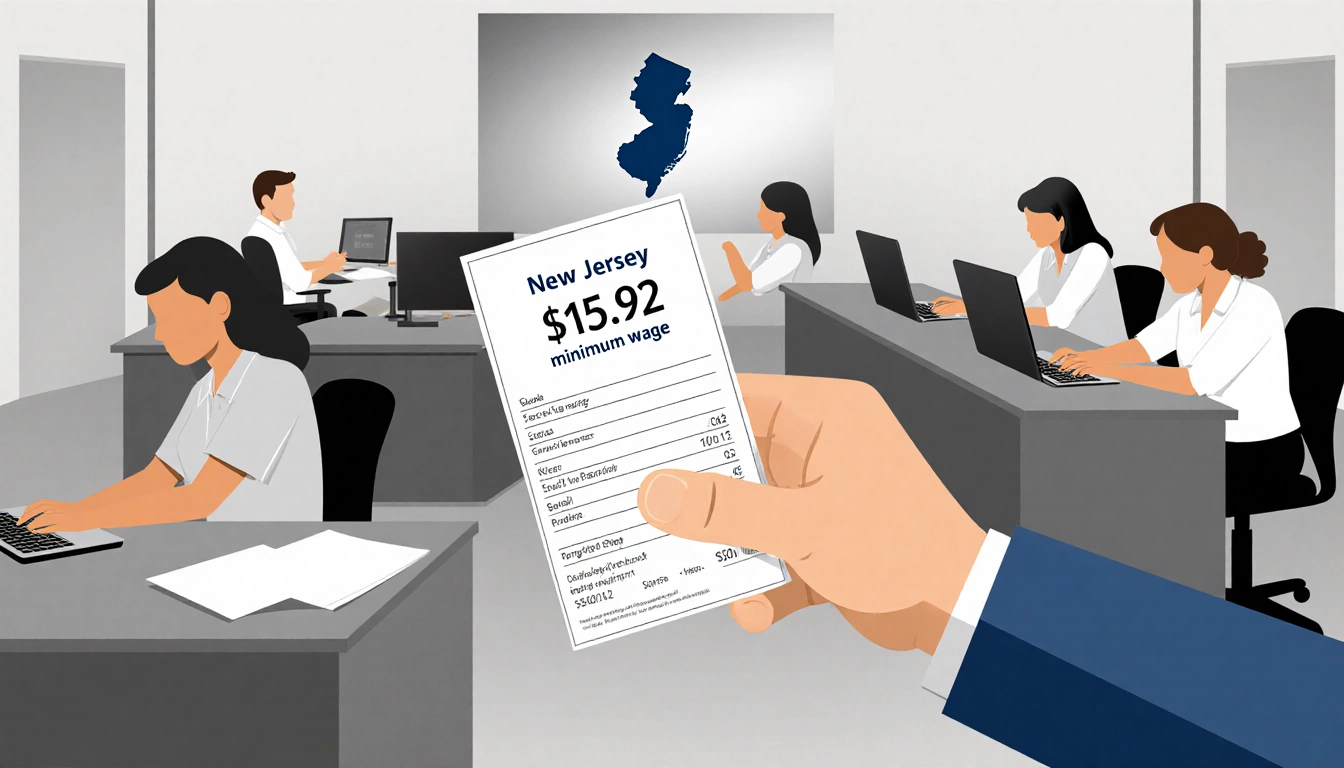
New Jersey’s budget package pushes the statewide minimum wage to $15.92 per hour on Jan. 1, 2026, the final increase under Governor Phil Murphy’s 2019 plan.
The Delaware River Joint Toll Bridge Commission will raise tolls on all eight bridges, with E-Pass users paying $2 and non-E-Pass cars up to $5. Toll-per-axle vehicles will see an increase from $4.50 to $6.50 per axle.
| Bridge | Route | E-Pass Toll | Non-E-Pass Toll |
|---|---|---|---|
| Trenton-Morrisville | Route 1 | $2 | $5 |
| Scudder Falls | I-295 | $2 | $5 |
| New Hope-Lambertville | Route 202 | $2 | $5 |
| I-78 | I-78 | $2 | $5 |
| Easton-Phillipsburg | Route 22 | $2 | $5 |
| Portland-Columbia | Routes 611, 46, 94 | $2 | $5 |
| Delaware Water Gap | I-80 | $2 | $5 |
| Milford-Montague | Route 206 | $2 | $5 |
A 3 % increase on the Parkway and the Turnpike for all vehicles will also take effect on Jan. 1, 2026, but will add only a few cents for most drivers.
On Jan. 9, 2026, the new Department of Veterans Affairs will handle housing, health care, and benefits for veterans, while the Department of Military Affairs will focus on military operations.
Delaware 2026 Laws
Delaware’s Healthy Delaware Families Act will allow employees to apply for paid medical leave for health or family events starting Jan. 1, 2026.
Senate Bill 131 lets dental hygienists administer local anesthesia under dentist supervision, expanding patient access to care.
House Bill 3 creates a breastfeeding program for incarcerated women, taking effect July 2026 and requiring annual reporting by the Department of Corrections.
House Bill 274 mandates health insurance plans to cover early egg and peanut allergen introduction, aiming to reduce childhood allergies; it applies to all plans, including Medicaid, from Jan. 1, 2026.
Key Takeaways
- The 2026 laws cover anti-discrimination, tax relief, health coverage, and transportation changes.
- Minimum wage in NJ rises to $15.92 per hour, and tolls increase up to $5.
- Delaware expands paid leave and dental scope while addressing allergies and incarceration health.
These 2026 laws will shape daily life, workplace fairness, and public health across the three states.