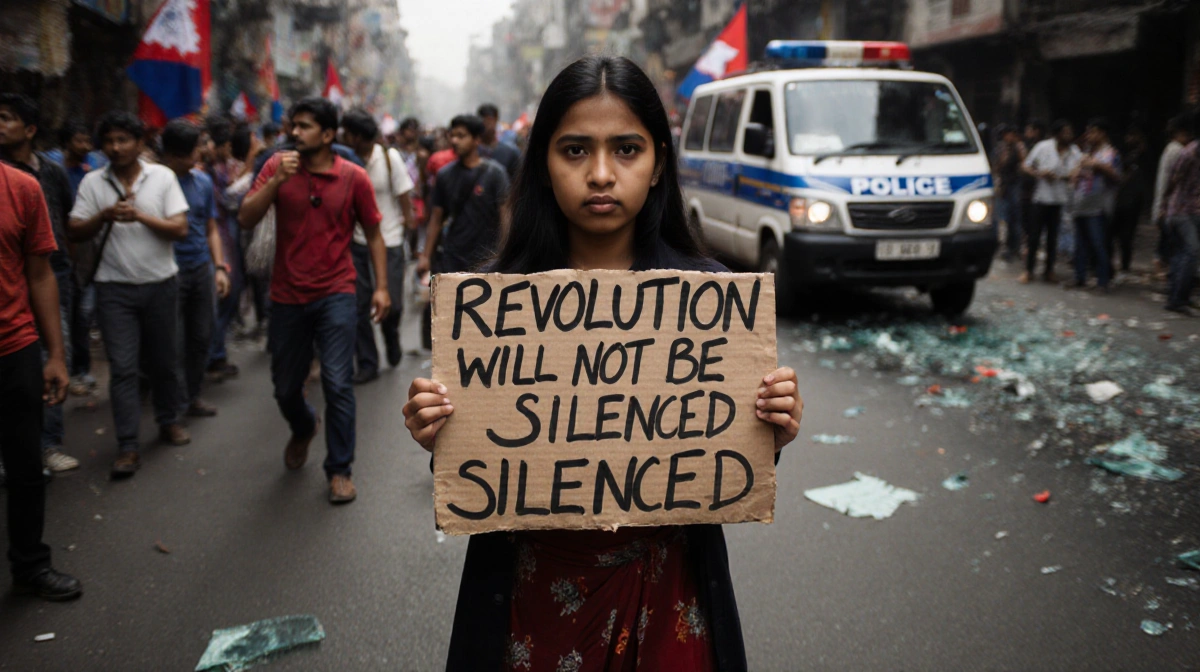

> At a Glance
> – 22-year-old civil-engineering hopeful Mukesh Awasti lost his leg to a police bullet on Sept 8
> – 76 dead, 2,300 injured in four-day uprising that toppled the government
> – Interim PM Sushila Karki vows March 5 polls, but corruption probes stall
> – Why it matters: The youth who forced Nepal’s first female PM into power say the revolution is unfinished-and they’re back on the streets
The dream was Australia, not a Kathmandu hospital ward. But a single bullet on Sept 8 rerouted Mukesh Awasti’s life from engineering textbooks to a protest movement that has left him an amputee and disillusioned.
How a Social-Media Ban Lit the Fuse
Tens of thousands of mostly Gen-Z Nepalis poured into Kathmandu after the government blocked social-media platforms. By sunset they had torn down police barricades and marched on parliament.
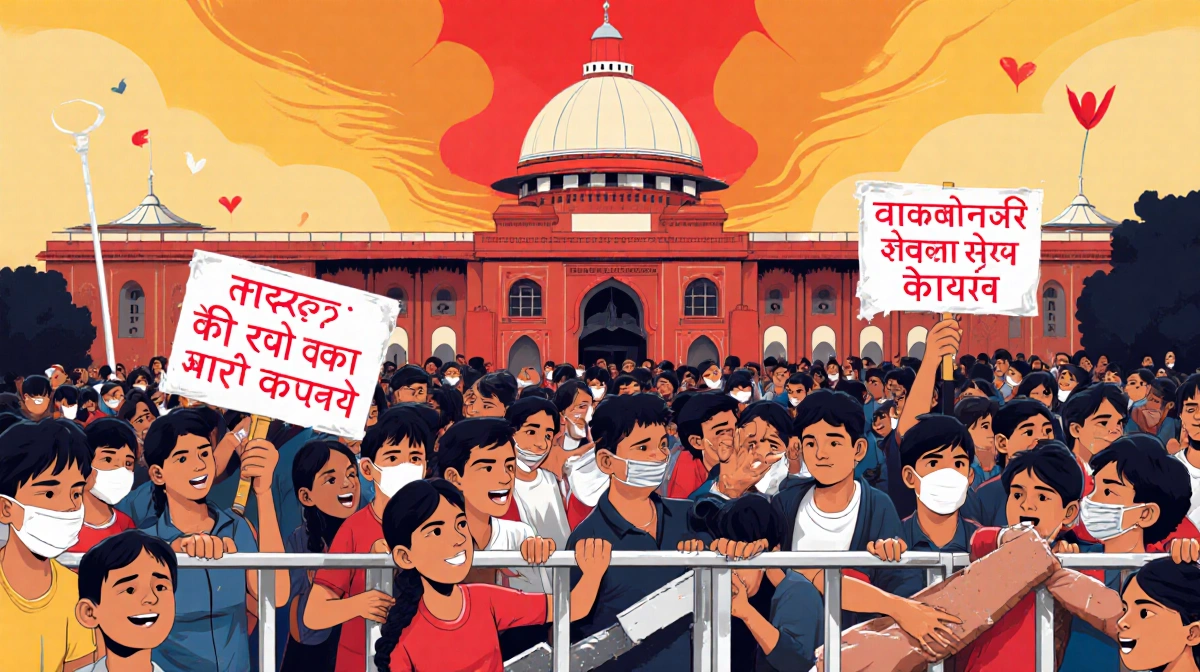
Within 24 hours the protests had nationwide reach. Crowds torched the offices of the prime minister and president, burned police stations and sent top politicians fleeing by army helicopter. Security forces opened fire; 76 people died and more than 2,300 were injured.
Suman Bohara, who still walks on crutches with a shattered right foot, says the crackback has not ended:
> “We are back here in the street because the government has failed to live up to their promise.”
The Government That Rose from the Ashes
Under army-brokered negotiations, the fallout produced two firsts:
- Appointment of Nepal’s first female prime minister, retired Supreme Court judge Sushila Karki, on Sept 12
- A written pledge to hold fresh parliamentary elections on March 5
Karki insists the ballot will proceed:
> “As the world is looking forward to a smooth change in government through our elections on March 5, I want to assure that we will deliver these elections.”
Promises vs. Performance
Protesters say the revolution stopped at the cabinet door:
- Only one major corruption case has been filed-and it omits top political figures
- Leaders accused of graft are campaigning for the March vote
- No one has been charged over the Sept 8 shootings
Mukesh Awasti, now learning to walk with a prosthesis, is blunt:
> “I am regretting my decision to take part in the protest because there have been zero achievements from the new government we brought.”
A Movement Without a Map
The street energy that ousted a government has splintered into rival camps:
- Some demand direct election of a prime minister
- Others want the constitution scrapped and every ex-politician jailed
- A third bloc opposes the March elections until corruption cases advance
Abeer Thapa, principal of Polygon College of Journalism, blames the disarray on the uprising’s spontaneous birth:
> “They had gone deer hunting but ended up killing a tiger.”
Key Takeaways
- Nepal’s first female PM took power after four days of bloodshed but has not delivered on protesters’ core demands
- Elections are scheduled for March 5, yet many activists now oppose the vote while corruption probes lag
- The Gen-Z movement lacks unified leadership, leaving unclear what victory should look like
- No security official has been held accountable for the Sept 8 shootings that cost Mukesh Awasti his leg
As winter tightens its grip on Kathmandu, the same chants that brought a government down now echo outside the same prime-ministerial gates-proof that for Nepal’s youth, the revolution is stuck at halftime.